This tiny Oak Park restaurant serves the cuisine of Mexico’s most storied region
Mexico is one of the most diverse countries in the world, with dozens — if not hundreds — of regions with distinct flavors. What we tend to recognize in the U.S. as Mexican food is actually a mélange of dishes from multiple areas brought together.
Ernesto Delgado’s petite North Oak Park restaurant, which opened earlier this year, narrows its focus to one of Mexico’s most storied culinary destinations: Oaxaca.
Tucked into the highlands of southern Mexico, Oaxaca is a place of winding mountain roads, vivid markets and deeply rooted Indigenous traditions. It’s here that mole was perfected, mezcal was born, and food became a form of storytelling. Delgado’s restaurant channels that place into its North Oak Park home.
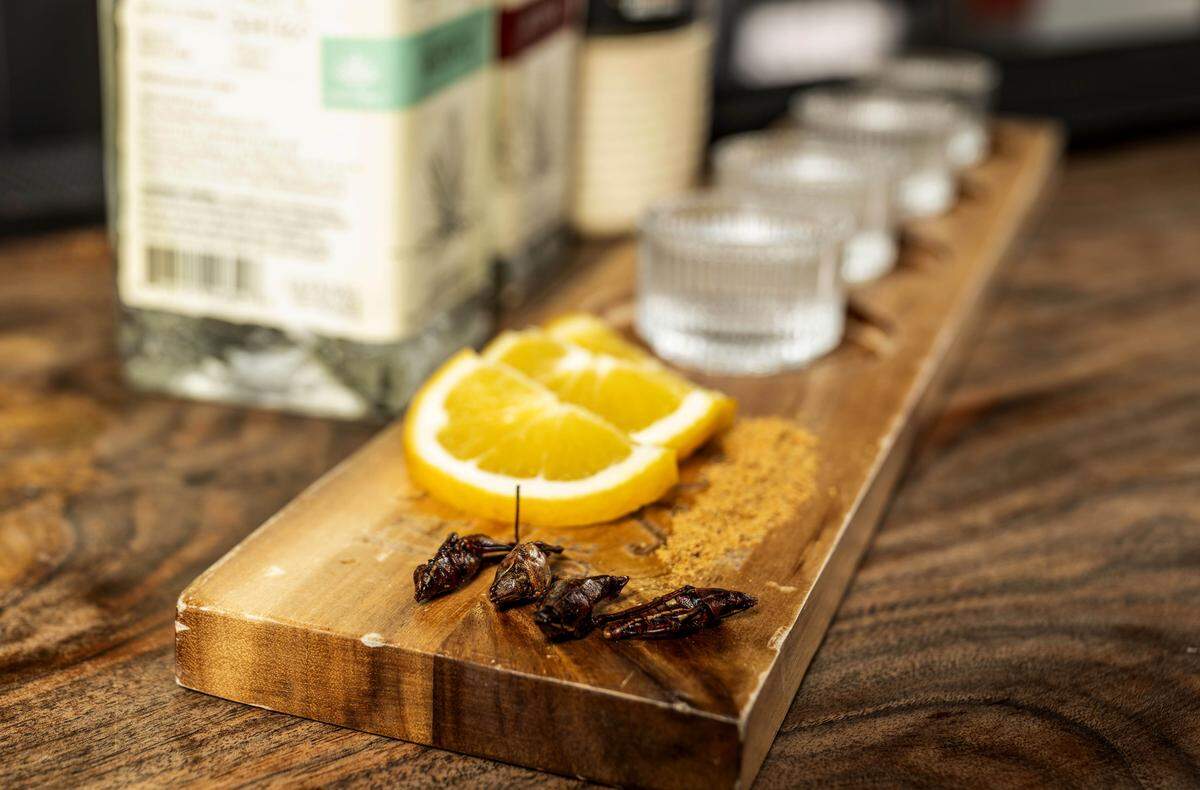
But, it is the region’s iconic spirit, more than the food, that Delgado wants to showcase most.
“I love mezcal and what it represents,” Delgado said.
Like tequila, mezcal is a spirit made from agave plants. Whereas tequila is made from only one kind of agave, mezcal is made from multiple varieties, each offering different flavor profiles.

“Tequila is like having only one spice to pull from your spice cabinet, but when you are making mezcal, you open up your spice cabinet, it’s full of spices. Those are all the different species of agave.”
To pair with the mezcal-based cocktails, such as the tangy, spicy mezcalina ($13) made with pineapple and jalapeño, Oaxaca serves up typical fare from the region.
Delgado is from Michoacan, not Oaxaca 250 miles to the south, so he brought in a consulting chef to develop the menu.
One of the most iconic dishes is the tlayuda ($19), a plate-sized, paper-thin tortilla griddled until crisp. Oaxaca’s version is topped with black beans, cabbage, avocado and three kinds of meat.
“We have al pastor, chorizo, and we have tasajo, which is like dehydrated beef,” Delgado said.
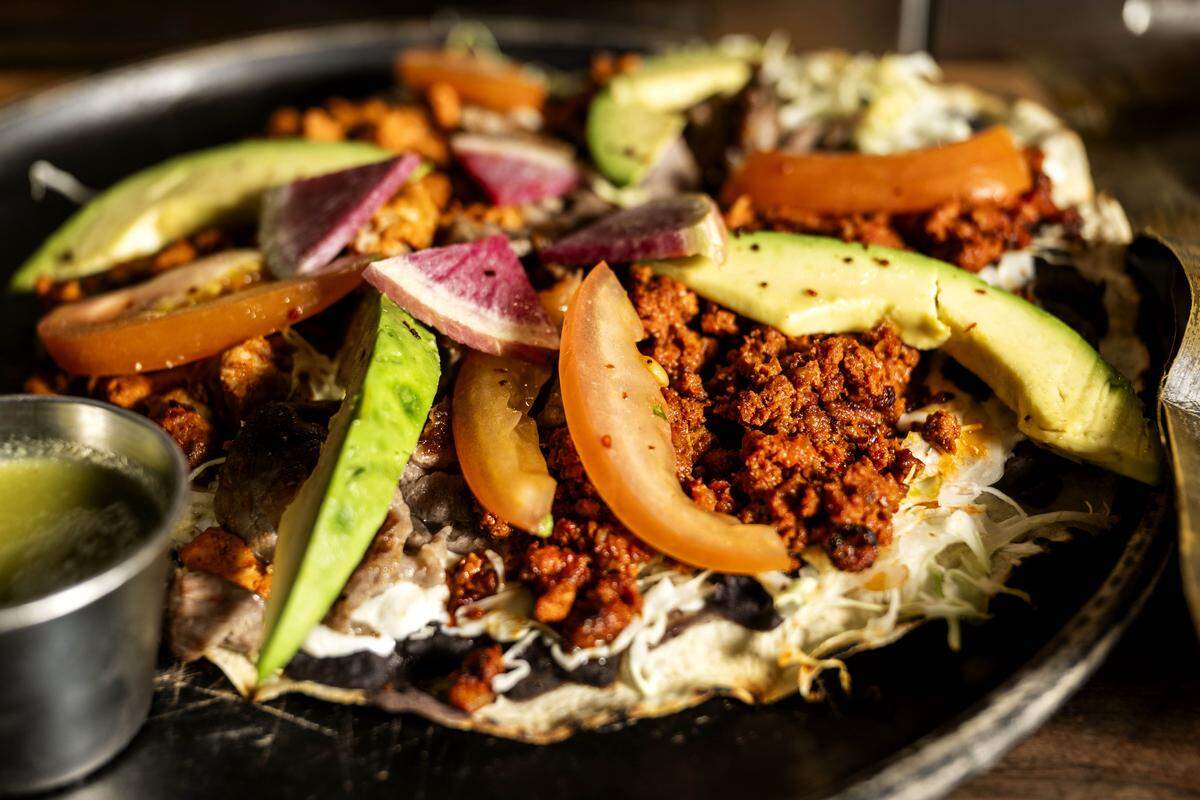
In Oaxaca, the tlayuda is typically folded while on the griddle, like a quesadilla. Delgado’s is served open-face.
“You can fold it once you get it to the table, but I recommend that you just tear into it and explore the flavors.” he said.
Mole — among Mexico’s most celebrated sauces — is more than just a recipe in Oaxaca. It’s a tradition, a ritual, and in many families, an heirloom. At the heart of Oaxacan cuisine, mole reflects centuries of Indigenous and colonial influence, with roots in Zapotec and Mixtec cooking and ingredients that span the region’s forests, valleys and markets.
Oaxaca serves up three varieties.
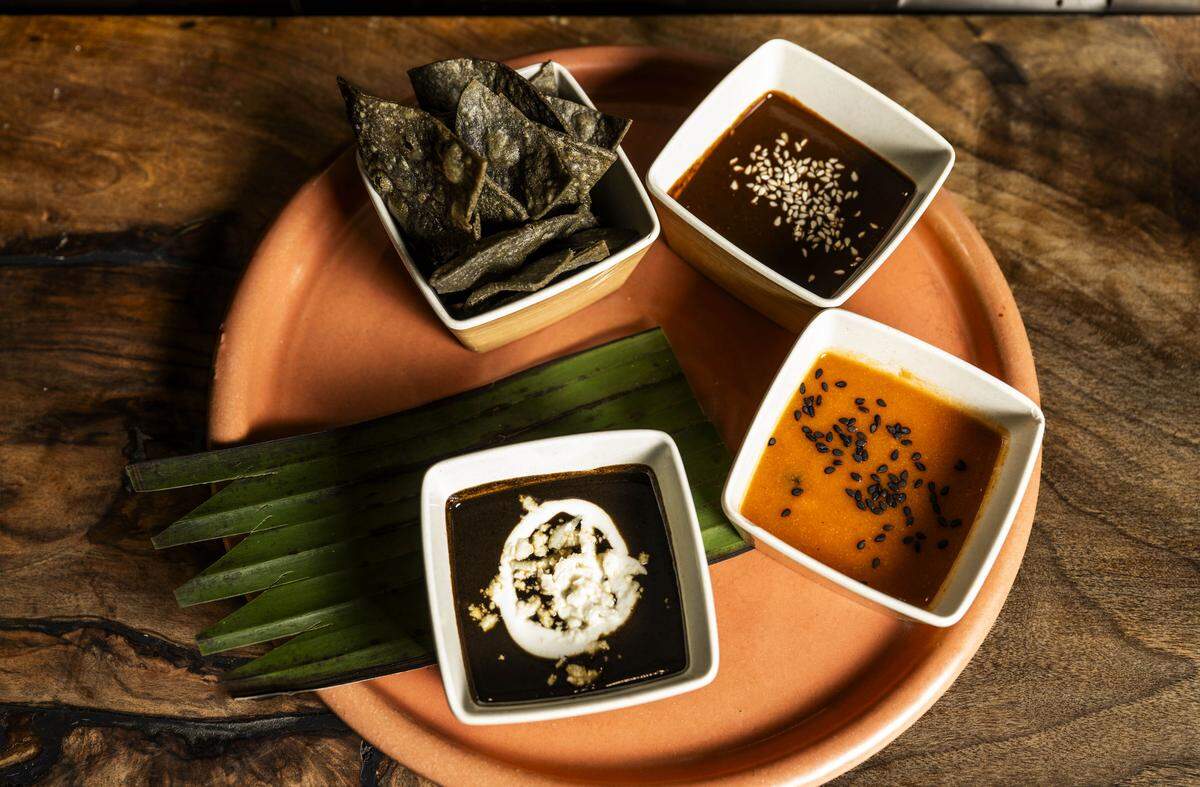
Mole negro, literally black from chiles that have been grilled until charred, has a deep, earthy flavor. Mole rojo has a gentler spice and mild sweetness from the addition of dried fruits. The lightest, mole amarillo, is actually more ochre in color, and is thickened with masa, or corn flour.
To get a sense of them, start your meal with the individual mole tasting ($8), served in small bowls with tortillas for dunking. Once you’ve decided which you like best, you can commit to the full Oaxacan mole ($27) dish, a chicken thigh slathered in the sauce and served with Spanish rice and fresh tortillas.
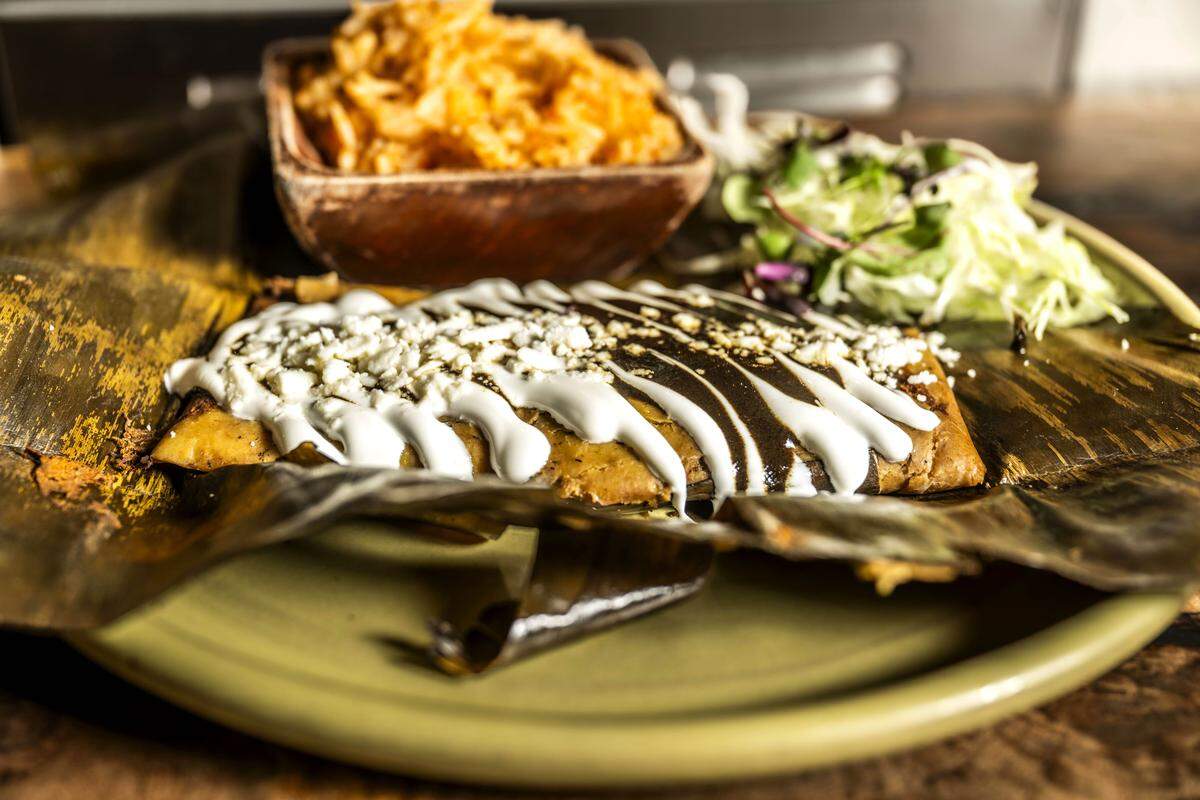
The tamal oaxaqueño de pollo ($15) is another standout. Unlike chubby tamales wrapped in corn husks, the Oaxacan version is flatter, with a more balanced mix of masa and filling, and steamed in a banana leaf that imparts a grassy aroma. It’s artfully sauced with mole negro and crema.
Vegetarians have ample options beyond salads, including chilaquiles ($12), tortilla chips smothered in red or green salsa and topped with beans and sour cream, or the chile relleno ($16), a poblano chile stuffed with Oaxaca cheese, battered and fried, served in a light tomato sauce.
Oaxaca gets its tortillas and masa from La Familia Tortilla Shop in Dixon. La Familia imports and mills heirloom corn varieties from Mexico.
The restaurant along Broadway is positively tiny, with only four tables plus bar seating inside, but in warmer weather it benefits from multiple outdoor patios. Delgado has patterns on even further expansion with an additional patio and with parties on 3rd Avenue.
“We’re looking to close the street and have a guelaguetza, a Oaxacan street festival. We can really showcase the culture.”
Oaxaca
Address: 3400 Broadway, North Oak Park
Hours: 11 a.m.-8 p.m. Mondays; 11 a.m.-9 p.m. Tuesday-Thursday; 11 a.m.-10 p.m. Friday-Saturday; 11 a.m.-7 p.m. Sundays
Phone: 916-619-8689
Website: oaxacasacramento.com
Vegetarian options: Plentiful
Noise level: Inside can get loud, otherwise moderate
This story was originally published December 20, 2025 at 7:00 AM.