
Do rattlesnakes disappear when California seasons change? Here’s where they’re hiding
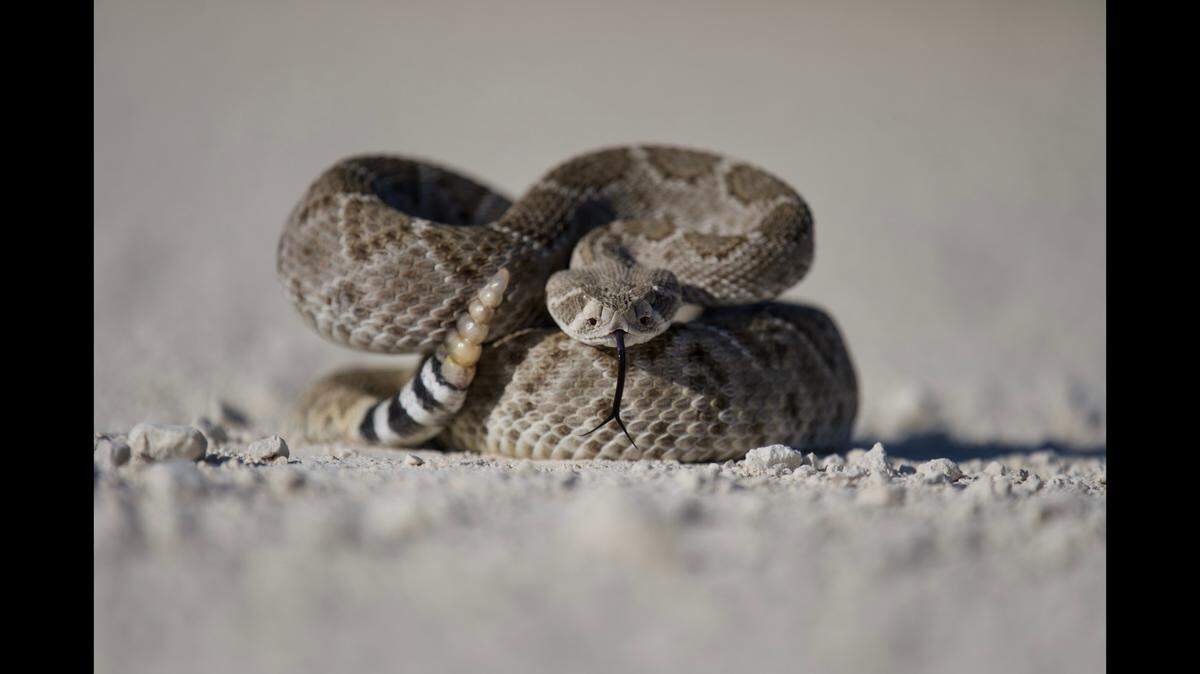
As ideal as it sounds, rattlesnakes don’t just disappear after their active season. Where do they go when California temperatures drop?
In the spring and summer, rattlesnakes are most active at dawn, dusk, and night to avoid overheating, according to the California Department of Fish and Wildlife. In fall and winter, rattlesnakes are inactive and may go into brumation, where they are mostly dormant.
Here are the rattlesnakes you may come across in California, and where they establish themselves during inactivity:
Where do rattlesnakes go when it gets cold?
Rattlesnakes can live in rural and urban areas, on riverbanks, in parks and at golf courses, according to Fish and Wildlife. They may also turn up around homes and yards in brushy areas and under wood piles.
Rattlesnakes require rocky, open areas for basking and hiding with a nearby water source. They can also swim.
During the colder months, rattlesnakes may gather and establish themselves in dens, according to the department.
These dens are often in rocky crevices where heat is retained, the department said, but they may also be found underneath homes or man-made structures.
California rattlesnakes species
California is home to 50 species of snakes, seven of which are rattlers, according to Fish and Wildlife:
Mohave rattlesnake- “Probably the most dangerous snake in North America.” Found in the desert and foothills of southeastern California.
Panamint rattlesnake- Remains active until mid-fall. Found in inland desert areas with more northerly distribution across southern California.
Red diamond rattlesnake- Young are born from mid-August to October. Found in Baja California and in southwestern California south of Los Angeles.
Sidewinder- The “horned rattler” and the smallest rattlesnake in California. Normally buries itself in a coil in fine sand at the base of a bush. Commonly found in desert areas from below sea level up to 6,000 feet.
Speckled rattlesnake- Remains active until mid-fall. Found in desert areas from Baja California and much of the Colorado, Mojave, and Sonoran Deserts.
Western diamond-backed rattlesnake- Rare. Considered one of the most dangerous snakes in North America. May be found in desert areas in the far southeastern part of the state.
Western rattlesnake- The most widespread in the state. Subspecies include: Northern Pacific rattlesnake found throughout central and coastal northern California, Southern Pacific rattlesnake found in coastal southern California and Great Basin rattlesnake found in northern Sierra Nevada.
What to do if you get bit
Most bites occur between April and October when snakes and humans are most active outdoors, according to Fish and Wildlife.
If you are bit by a rattlesnake, the department says to stay calm but act quickly. Remove items that may constrict swelling such as watches, rings and shoes.
Victims should be transported to the nearest hospital. Tourniquets and ice packs should not be applied, the department says.
.jpg)