San Francisco Giants pitcher Logan Webb honors cousin who’s a victim in fentanyl murder case
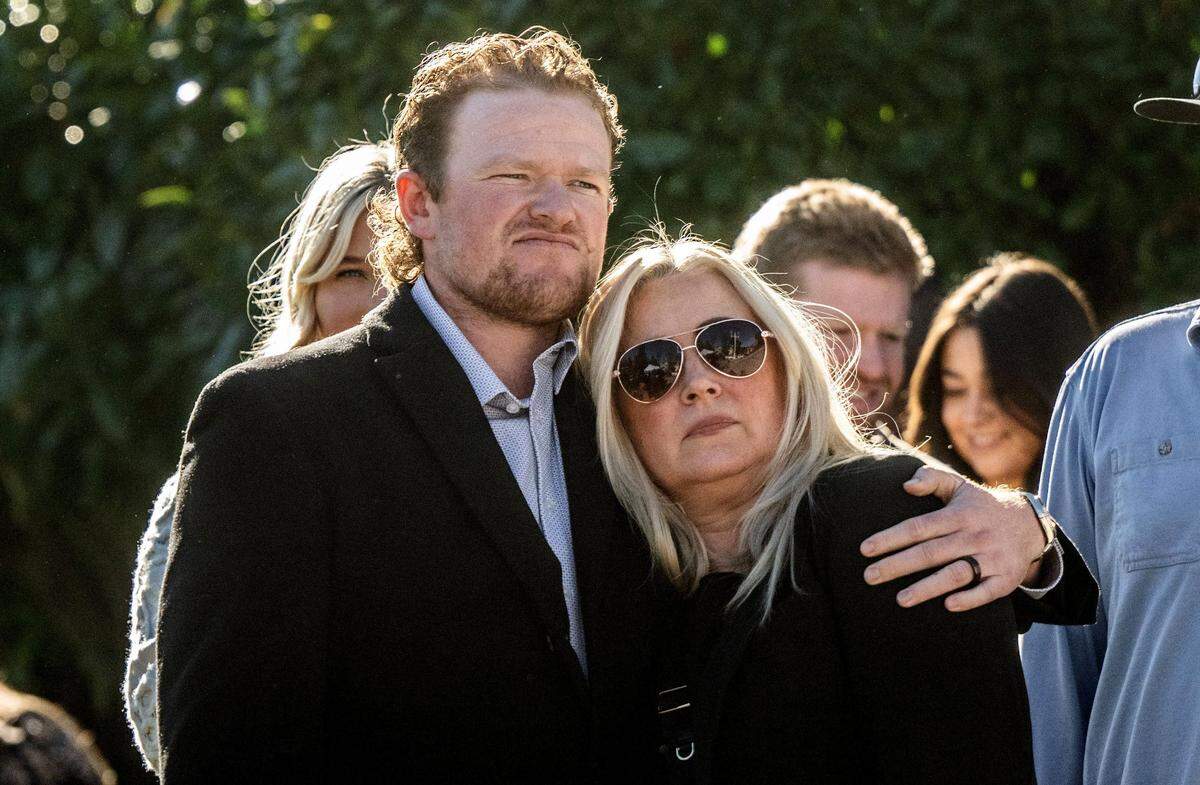
San Francisco Giants pitcher Logan Webb stood shoulder-to-shoulder with his family and law enforcement officials Thursday outside the Historic Courthouse in Auburn. They gathered there to honor his cousin, Kade Kristopher Webb, who died three years ago after ingesting a lethal dose of fentanyl.
“Kade was like a brother to me, and there’s no real way to explain the devastation that a loss of a brother brings,” the Major League Baseball player said in a news conference. “He was one of my biggest fans and loved coming to my games and supporting me throughout my career.”
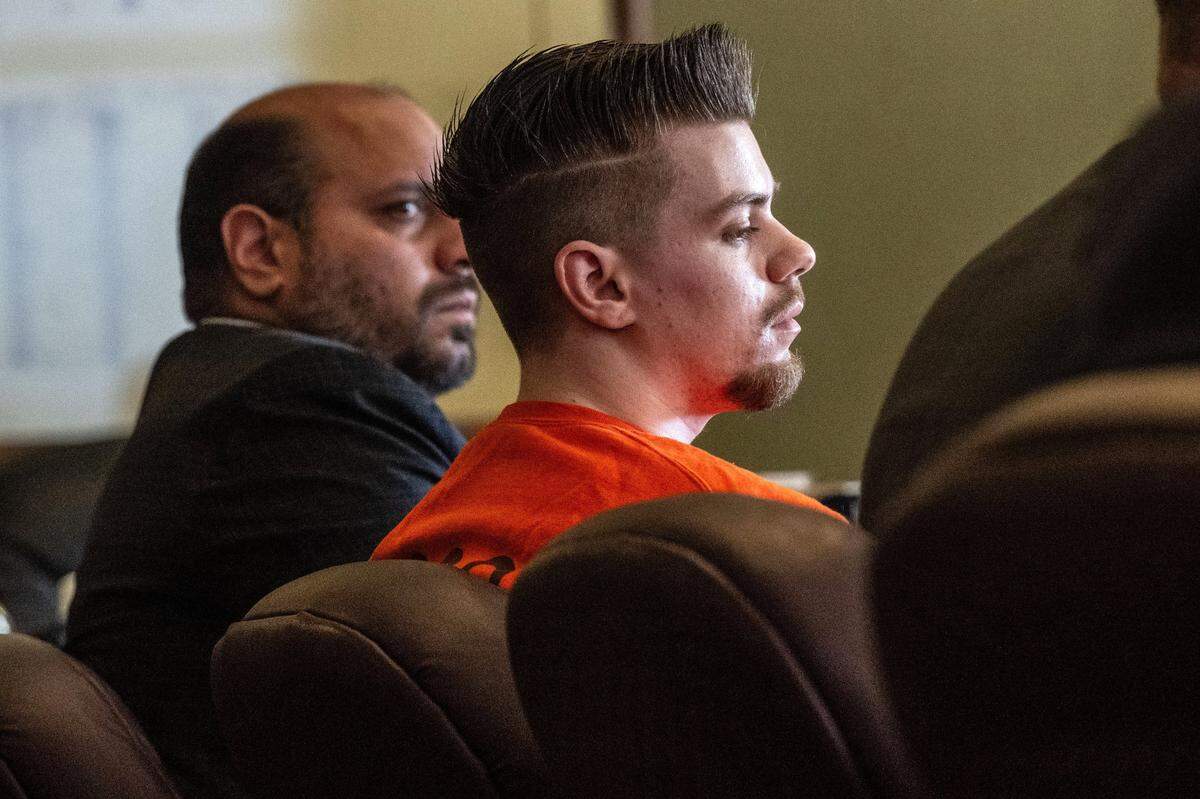
Webb’s family had just walked out of a sentencing hearing in Placer Superior Court where 23-year-old Carson David Schewe was sentenced to serve 20 years to life in prison for the December 2021 fentanyl death.
A jury in September found Schewe guilty of second-degree murder in Kade Webb’s fentanyl death. The 20-year-old man ingested a lethal dose of the synthetic opioid and died inside Roseville Safeway bathroom.
Fentanyl is a powerful and potentially addictive drug that is up to 50 times stronger than heroin. The California Department of Justice has said two milligrams of the opioid can result in overdose and potentially death.
The lead prosecutor in the case told the jury that Schewe sold a fentanyl-laced pill to his friend, Kade Webb, moments before Webb walked into that bathroom on Dec. 3, 2021, crushed the pill and snorted it. He died within minutes; emergency responders found his body face down in the bathroom about five hours later.
‘Our kids are struggling’
Logan Webb said they have a tight-knit family, and they did everything they could to support his cousin as struggled with drug addiction as many young adults do. He said his cousin did not want to lose his life, and the reality is that “Kade was poisoned and murdered.”
“When I received that call on that terrible day, I was actually preparing for the happiest day of my life. I was getting married two days later,” Logan Webb said at a news conference about the moment he learned his cousin was dead. “With my family’s blessing, I got married. And a couple days later, I was a pallbearer for my cousin.”
The major league pitcher said he is “humbled” to have a national platform to reach other youths and warn them about the dangers of fentanyl. He said he knows his cousin would want him to share this story to help others.
“Truth is our kids are struggling,” Logan Webb told reporters. “And we need to let them know that it is okay to struggle but also the dangers that self-medicating can bring.”
Placer County District Attorney Morgan Gire and other prosecutors in California have taken a new approach to fentanyl deaths: filing murder charges against people who sell or provide fentanyl to someone who later dies from ingesting the drugs.
Gire’s office has filed murder charges against five defendants; three other cases ended in plea deals. One case in the death of James Scott Teahan Jr. is still pending. Schewe’s case was the first defendant in the county to be charges with murder in a fentanyl death, and his case was the first to go to trial and left for a jury to decide the outcome.
At Thursday’s news conference, Gire said Schewe’s sentencing demonstrates “accountability” for fentanyl dealers.
“True justice will come when we don’t have a day where we have to stand here, and we don’t have to share these stories,” Gire said about the victims in the fentanyl cases. “True justice would be having Kade here and Zach here and Spencer and Jewels and Haleigh, and all of the other names and faces that you see affected by this fentanyl crisis.”
He said his office and other agencies in Placer County in recent years have been active in public awareness campaigns on the dangers of fentanyl. And they continue to warn fentanyl dealers about the legal consequences that await them.
“We will prosecute you, and we will hold you accountable. And if it’s a life sentence, it will be a life sentence,” Gire said. “I don’t want this job to be about prosecuting more murders.”
Elizabeth Dillender, Webb’s mother, said there is hard work to be done in “the war on fentanyl” in the United States. She said her son was not a drug addict; he was a “loving, happy adventurous” young man. She said he was poisoned by a fake pill with fentanyl sold to him by “a so-called friend.”
Drug dealers mix fentanyl, because of its potency and low cost, with other drugs including heroin, methamphetamine and cocaine, which increases the likelihood of a fatal dose, according to the U.S. Drug Enforcement Administration. It’s possible for someone to take a pill without knowing it contains fentanyl or whether it contains a lethal dose of fentanyl.
“But sadly, this fight is not just for me. My son is already gone,” Dillender said in the news conference. “This fight is not a me problem but a we problem. We had talks with our kids about drugs, and yet fentanyl still found our son.”
This story was originally published December 5, 2024 at 3:53 PM.