
‘Nearly complete’ skeleton of Ice Age predator found deep in Utah cave. See it
The skeleton of a fox that lived about 26,000 years ago was recovered from deep within a cave in the mountains of northeastern Utah, officials said, describing it as a rare and significant find.
Radiocarbon dating places the red fox bones at “just before the last glacial maximum during the Ice Ages,” according to a Utah Division of State Parks blog post from Dec. 30.
“This means that the skeleton had already been lying in the cave for more than 10,000 years when humans first started farming founder crops and for more than 20,000 years when the Giza pyramids were built,” officials said.
Scientists recovered the “nearly complete skeleton” with help from Utah cavers, officials said.
“It was a gorgeous specimen. Almost the entire animal lying where it had been for so long, nearly every bone intact and well preserved. We don’t often see specimens like that,” project leader John Foster said in the blog.
The skeleton, nicknamed Roxy, was discovered “several years ago,” officials said, but recovery didn’t happen until last summer because of challenges “getting fragile bones out of the cave and down a mountain.”
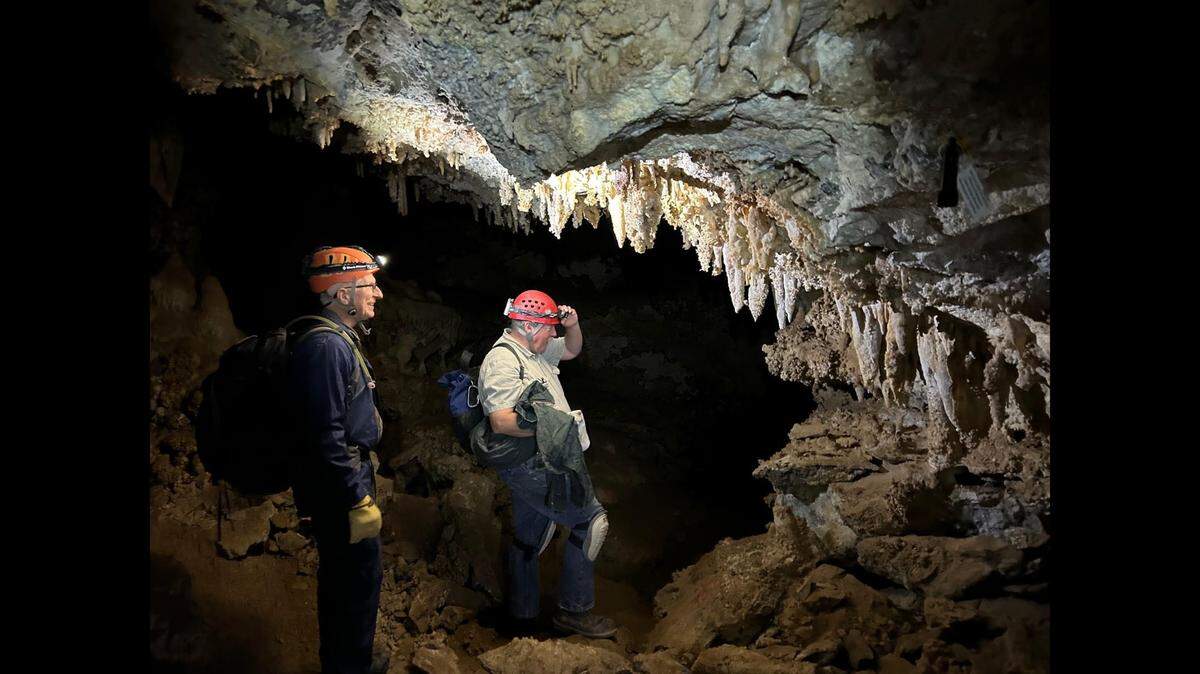
Roxy was about a half-mile into the cave, and “because of the difficult access and conditions involving mud, crawling, and climbing, the team brought specially made plastic tubes for packing and getting bones out undamaged,” officials said.
Roxy is “one of the most significant finds” involving an Ice Age animal in northeastern Utah, officials said. Retired paleontologist Greg McDonald said in the blog that the skeleton is among “the oldest directly dated records” of the red fox in North America.
Officials said they aren’t sure how the red fox got so deep in the cave, which is in the Uinta Mountains.
Part of the skeleton eventually will be on display at the Utah Field House of Natural History State Park Museum.
“Roxy has finally seen the light of day again after 26,000 years in total darkness” and “we look forward to sharing her with visitors soon,” Foster said.
.JPG)