
Macy’s closure is an opportunity to consider the future of downtown Sacramento | Opinion
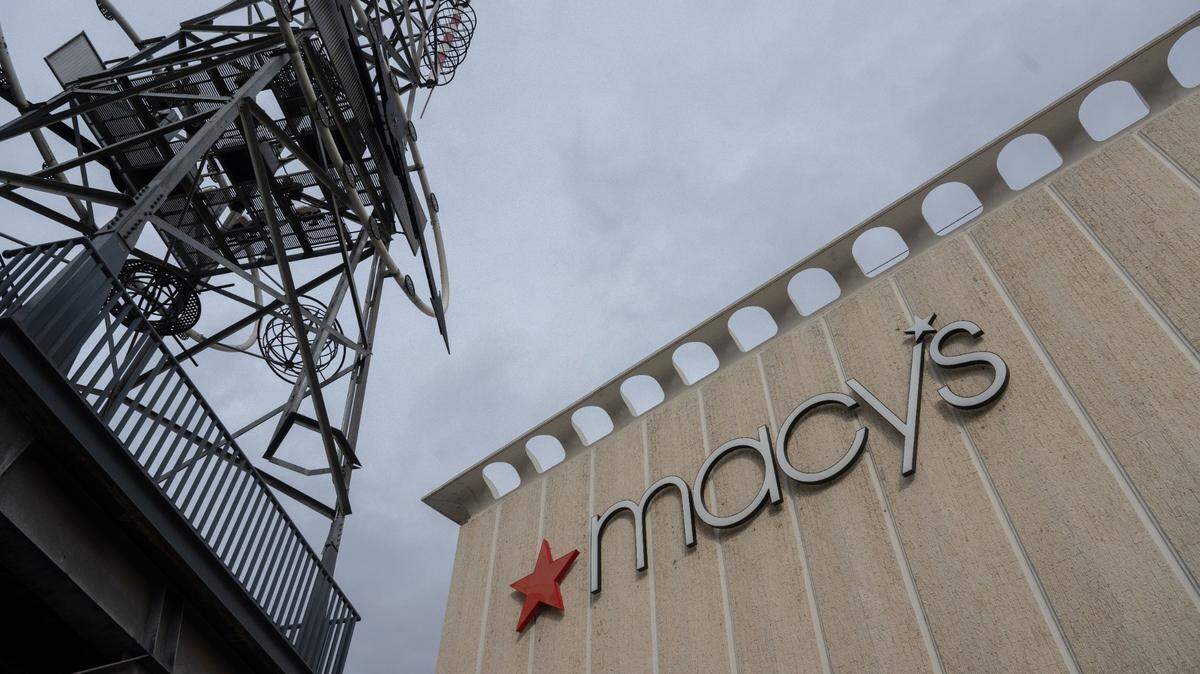
The recently announced closure of the local Macy’s location is an opportunity to consider the past and future of downtown Sacramento.
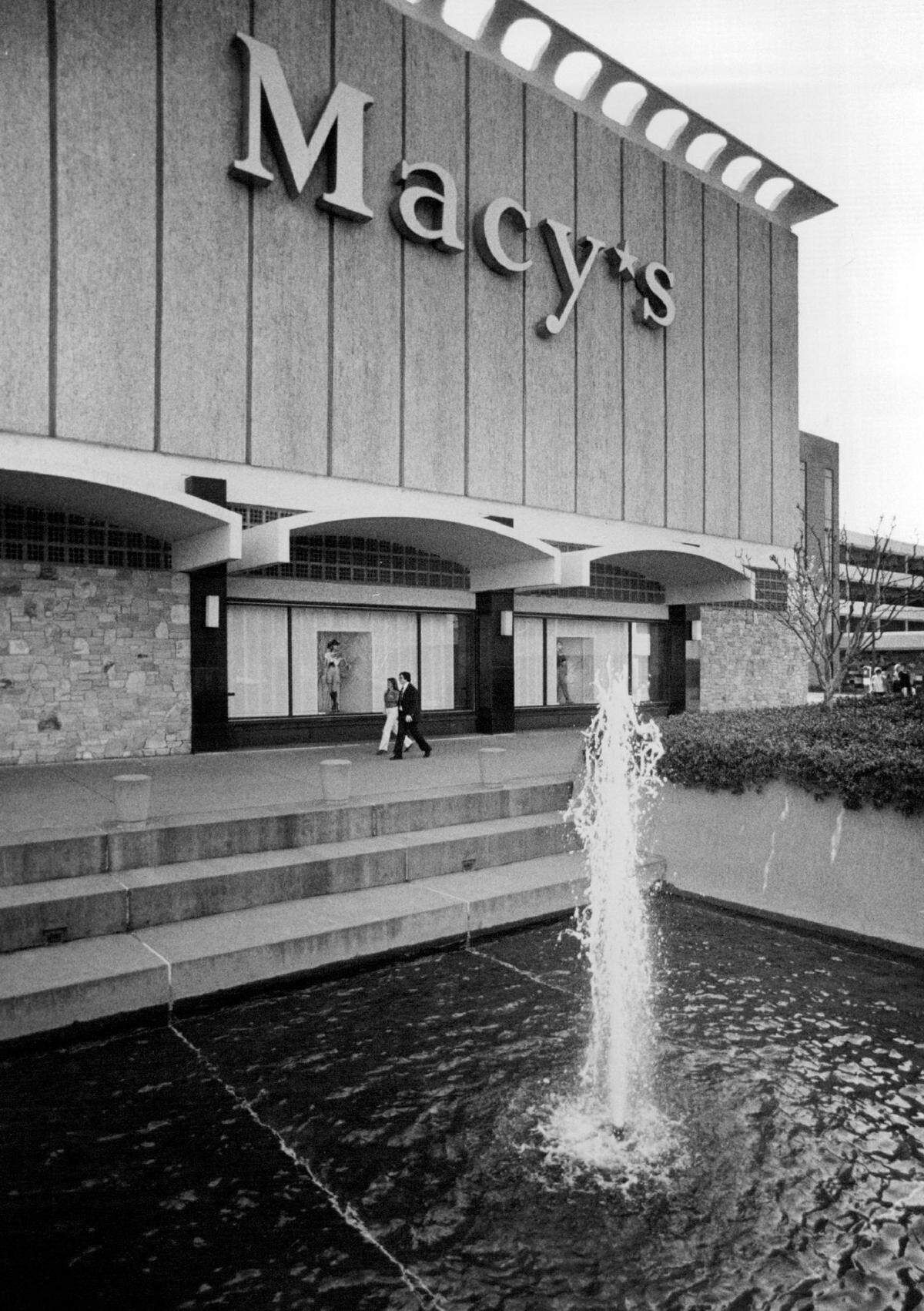
Love it or hate it, Sacramento’s mid-century Macy’s is a notable building. While the demise of another department store in an urban area is not really news, this particular store has a newsworthy past — and its construction originated during an era experiencing issues not unlike our own.
The Macy’s location was strategically meant to attract suburbanites and their wages back to downtown. According to local historian William Burg in his book “Sacramento’s K Street”, the creation of the K Street Mall, where Macy’s served as an anchor store, was originally envisioned to run down K from Second to Twelfth Streets. This plan was part of a nationwide trend to create pedestrian malls in urban areas, mirroring similar architectural movements in Europe.
These malls sought to solve multiple urban problems in one revenue-generating swoop: by removing ‘blighted’ low-tax-generating housing primarily populated by working-class people of color and low-income residents, the city could increase its revenue by replacing homes and small businesses through the sales-tax-generating paradise of a shopping mall.
A closely-related project built Interstate 5 through Sacramento with exits specifically placed to allow quick access to Macy’s, using millions of dollars in federal funding to improve access to downtown for people outside of the city while evicting downtown residents and demolishing homes and businesses. Although the Sacramento Redevelopment Agency proposed the plan in 1954, it wasn’t until 1957 that the agency secured the funding by sidestepping heavy opposition by voters and pursuing tax-increment financing. This method did not require voter approval to fund redevelopment projects in the city.
In 1961, the Sacramento City Council secured federal funding for the K Street Mall development project, and the downtown Macy’s opened in 1963.
These and other redevelopment projects throughout the downtown area in the 1960s displaced thousands of people, many of whom were unable to access decent housing because of housing discrimination. The passage of Proposition 14 in 1964 legalized housing discrimination against African Americans and other minority groups, severely limiting options for many people forced to move. This redevelopment era created a housing shortage where many people who could not afford to move or could not find new homes became homeless. (In 1966, the California Supreme Court ruled that Proposition 14 was unconstitutional.)
In the end, the siren song of suburban malls kept the K Street Mall — including Macy’s — from achieving the city’s high expectations for boosting tax revenue in the long run. Street by street, the mall decayed, with sporadic redevelopments along the way (most recently with the Downtown Commons). It’s likely that the site of Macy’s will be the next to fall to the wrecking ball, taking a piece of Sacramento’s redevelopment history with it.
When the dust finally settles, Sacramento residents will have an opportunity to consider the future of this site: Whatever the next iteration of this property is, how might it avoid past pitfalls and better support the people who live and work downtown?