Coronavirus updates: California surpasses 2 million cases; state reports 0% ICU space
California surpassed a reported total of 2 million lab-confirmed coronavirus cases Thursday, as new infections, hospitalizations and deaths all continue to pour in at a record clip.
It took more than eight months for California to amass the first million. In the furious, ongoing surge that has lasted essentially all of November and December, the second million has taken less than six weeks, including the most recent half-million flooding in over the past 13 days.
The California Department of Public Health officially reports the all-time COVID-19 case total at 2,003,146 and the death toll at 23,635 as of Thursday. The state reported 351 new deaths, third most of any day in the pandemic behind 379 on Dec. 16 and 361 on Wednesday.
The state in last two weeks has averaged about 39,000 new cases and 227 virus deaths per day. That means California is on track to hit 25,000 fatalities before the end of the year.
CDPH also on Thursday reported California’s intensive care unit capacity at 0.0% statewide.
That does not literally mean there are no ICU beds available — 9% of them were available in the Bay Area region, 15% in Greater Sacramento and 28% in the 11-county region the state refers to as “Northern California” north of the capital counties.
Rather, it means that the situation is so dire in the two other geographic regions that make up the majority of California’s population — Southern California and San Joaquin — that those vast regions have driven the state’s aggregate total for ICU availability to zero.
Both have been listed at 0.0% for more than a week on the state’s COVID-19 website, but in terms of the metrics used to calculate the statewide ICU total, both are likely negative numbers. Hospitals in those regions are having to go deep into their surge protocols to handle virus patients.
While vaccines are being administered now to front-line health care workers and in skilled nursing facilities, it won’t break the current surge, providing no help to the nearly 19,000 patients currently hospitalized in California or to the nearly 550,000 who have tested positive for the virus in the past two weeks. It’s expected to take a few months until the vaccines are widely available to the general public.
Meanwhile, the vast majority of California continues under its tightest stay-at-home restrictions in months, with bans on restaurant dining, professional haircuts and other businesses and activities in place across four of the five regions, all in a dire effort to bludgeon the out-of-control spread.
Hospital rates increasing broadly, state data show
California’s concurrent total for hospital patients with confirmed COVID-19 has more than doubled between Dec. 1 and Dec. 22, and the number in ICUs is up more than 90%.
More than one-third of each total comes from Los Angeles County, by far the state’s most populous. But the COVID-19 hospitalization surge is by no means confined to that urban hub. Rather, it is extraordinarily widespread throughout the state.
Of the 37 counties that account for 99% of the state’s current virus hospitalizations, all 37 saw their COVID-19 patient load increase at least 40% over the first three weeks of December. In 14 counties out of the 37, the figure increased between double and triple, The Sacramento Bee calculated based on data available through California’s Open Data Portal.
It’s essentially the same story in terms of ICU rate. In the 36 counties combining for 99% of the state’s 3,827 critically ill virus patients in intensive care, all but four have observed at least a 40% increase in the first three weeks of this month.
In a glimmer of decent news for the Greater Sacramento region, Sacramento and Yolo counties were two of the four exceptions. Sacramento moved from 77 to 103 intensive care patients (34%) and Yolo moved from nine to 11 (22%). Both those figures are still much higher than ideal, but ICU growth rate has been relatively slow in the capital region when compared to other hard-hit parts of the state.
Eleven of the 36 counties making up the bulk of intensive care patients have watched their COVID-19 case load increase between double and triple. These include Los Angeles, Orange and Imperial counties in Southern California; and Alameda, Marin and San Mateo in the Bay Area.
CDPH on Thursday reported a total of 18,875 confirmed coronavirus patients in California hospitals including 3,962 in intensive care units, both record highs.
The broad, simultaneous nature of the hospitalization surge is very troublesome. Typically in times of crisis, a region (or a hospital system) would depend on aid coming from other parts of the state. When hospitals are at crisis levels everywhere, it’s far more difficult for them to address staffing shortages.
The result is that hospitals are scrambling, in the most extreme cases considering the possibility that they will have to ration care. Even where that’s not being considered, doctors and nurses are exhausted and overwhelmed, handling more patients than usual. The result is reduced quality of care.
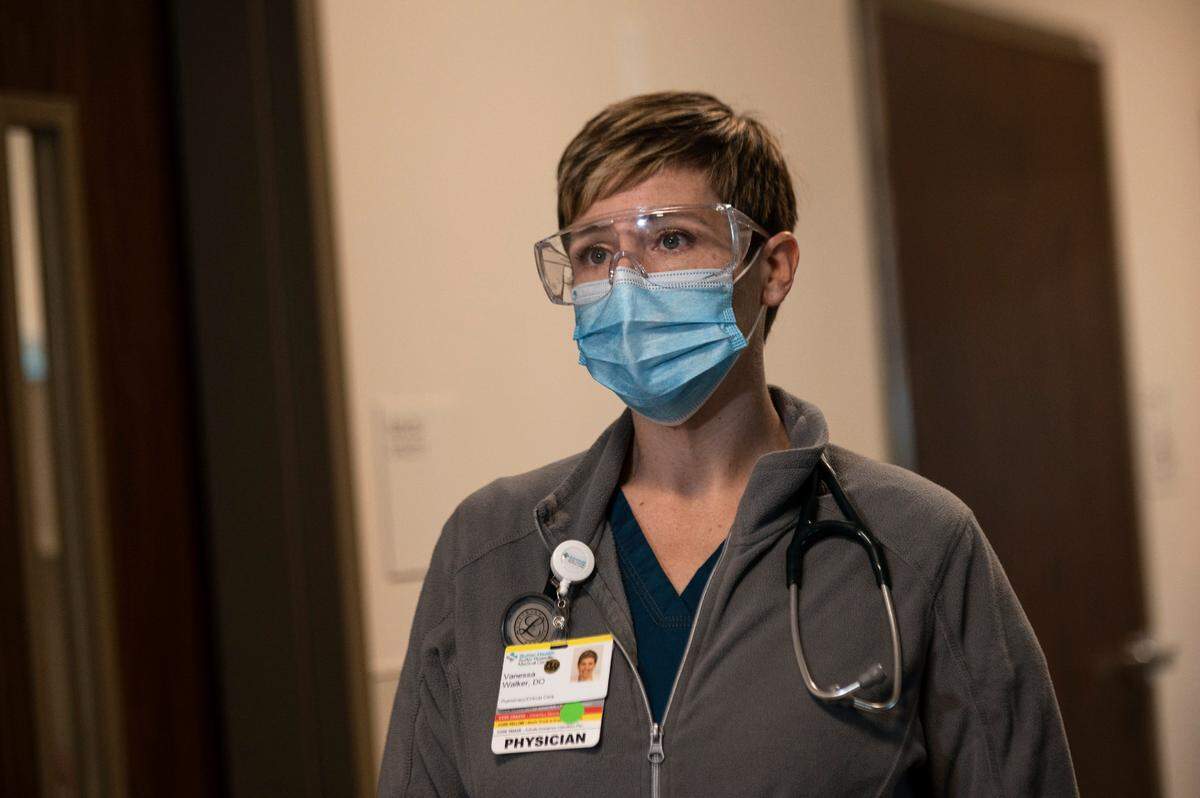
“The only people making it to ICU are the slam-dunk ICUs,” Vanessa Walker, a critical care doctor at Sutter Roseville Medical Center, recently told The Bee.
CDPH reported Wednesday that ICU availability in the Southern California and San Joaquin Valley regions are both still at 0%, as they have been for most of the past week. Statewide aggregate availability has plummeted down to 1.1%. The Bay Area had 11% of its ICU space available, Greater Sacramento had 16% and Northern California had 29% as of Wednesday’s update.
The messages are already turning very somber in the two regions that have hit ICU capacity.
In the valley, Fresno County is bringing in refrigerated morgue trailers to give additional space for deceased COVID-19 victims.
Los Angeles County officials on Wednesday sent a memo to health care providers requesting they communicate to patients that they should not seek emergency or urgent care “unless absolutely medically necessary,” Los Angeles Times health reporter Soumya Karlamangla reported on Twitter.
That memo also urged providers to “proactively address advanced care preferences” — meaning end-of-life care — “with patients with serious illnesses or who are medically frail.”
Sacramento County surpasses 800 COVID deaths
The six-county Sacramento area made up of Sacramento, El Dorado, Placer, Sutter, Yolo and Yuba counties has combined for more than 93,000 confirmed coronavirus cases and at least 1,103 deaths to date.
Sacramento County has reported a total of 59,770 infections and 809 resident deaths from COVID-19 since the start of the pandemic.
The local health office on Thursday reported 901 new cases and increased the death toll by 12. That followed 868 new cases and 11 new deaths on Wednesday, and 919 and 12 on Tuesday.
The countywide total for hospitalized virus patients jumped to a record-high 518 on Wednesday, then dropped slightly to 512 on Thursday. The ICU patient total dipped from 103 to 101, with available ICU beds rising by one from 74 to 75.
By date of death, the county now reports at least 134 virus fatalities have come in the first 20 days of December, with 130 of those deaths occurring between Dec. 1 and Dec. 16. The preliminary figures put the month well on track to surpass August’s 181 to become the deadliest month of the pandemic. The county says 143 residents died of the virus in November.
The two deadliest days of the health crisis, locally, have come this month: 19 infected residents died Dec. 7 and 16 on Dec. 10, county data show.
Placer County health officials have reported a total of 11,968 infections and 110 deaths. The county on Wednesday added 207 new cases and one fatality, after adding 220 cases and five deaths Tuesday.
State data showed a record-setting 193 hospitalized COVID-19 patients in Placer hospitals as of Thursday, up 18 since Tuesday. The county had 27 in ICU beds with with 21 ICU beds available.
Yolo County has reported a total of 7,340 infections and 108 deaths, adding 103 cases to the tally in Wednesday’s update. On Tuesday the county reported four deaths.
As of Thursday, Yolo tied its record for the pandemic with 27 virus patients hospitalized, including 12 in ICUs. Available ICU beds dropped from five Wednesday to three on Thursday.
El Dorado County has reported 5,023 positive test results and 13 deaths, adding 65 cases and one newly reported fatality Wednesday. The county health office added 81 cases and two deaths Tuesday.
Nine of the county’s 13 deaths for the entire pandemic have come in the past month, according to El Dorado’s data dashboard.
Health officials said Thursday that 27 people were hospitalized with the virus in El Dorado, up six since Monday. The ICU total remains at five patients. State data showed seven ICU beds available in the county, down one compared to Wednesday.
In Sutter County, at least 5,930 people have been infected and 46 have died. The county reported 68 new confirmed cases Wednesday. Sutter added two new deaths Monday, for an update covering the weekend, plus one more on Tuesday.
The bi-county health office reported 46 Sutter residents were hospitalized with the virus as of Tuesday, including five in the ICU.
Neighboring Yuba County has reported 3,554 infections and 17 deaths, reporting 61 new cases Wednesday following 70 on Tuesday, with one new death reported each day. The county says a record-high 28 Yuba residents were hospitalized with COVID-19 as of Wednesday, including four in intensive care.
Not all of those Yuba-Sutter residents were hospitalized in-county. Adventist-Rideout, the lone hospital serving the bi-county region, as of Thursday’s state data update was treating 58 virus patients, including seven in ICUs. Rideout had zero ICU beds left available in Monday’s update, but remaining capacity increased to four beds as of Thursday, state data show.
This story was originally published December 24, 2020 at 7:30 AM with the headline "Coronavirus updates: California surpasses 2 million cases; state reports 0% ICU space."