
UC Davis students rebel against fees for sports. As costs rise, should they bankroll athletics?
For 27 years, UC Davis students have funded a significant portion of the university’s athletic programs out of theirpockets. Now, some are saying enough is enough.
A group of students, fed up with paying nearly $600 a year for sports, is pushing for a referendum that would rescind the athletics fees. The fees pay nearly half the budget for UC Davis’ 25 NCAA Division I varsity sports programs, which include volleyball, baseball, basketball and football.
It’s still early in a complicated process before students could vote on a referendum later this year, and the University of California’s president could override the students’ wishes should they choose to stop paying.
But that a sports-fee referendum is seriously being debated at UC Davis at all raises a provocative question as the cost of a college education continues to climb in California and beyond: Should students bankroll sports they don’t actually play and have little interest in attending?
The question is particularly poignant now because student athletes are eligible to make money off their talents and image-tarnishing off-field scandals seem to pop up all too frequently across the country.
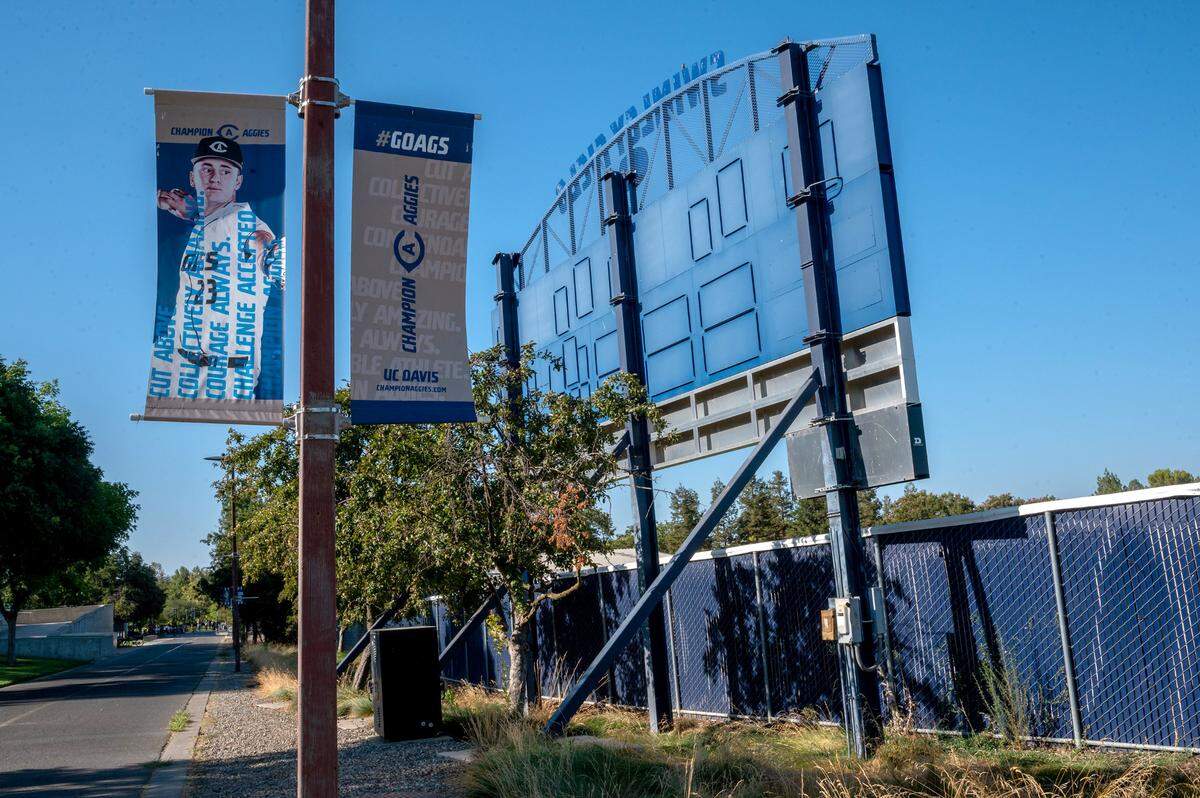
Just last year, UC Davis suspended its baseball team, and its coach resigned after an investigation found young players had for years been subjected to hazing rituals that included binge drinking, eating live goldfish, strippers and “threats about sodomy.”
The baseball scandal and the prospect of student athletes making money in endorsement deals are among the reasons why Calvin Wong, a fourth-year history major, is spearheading the effort to rescind the fees. Wong said that even if the referendum isn’t successful, it will start a needed conversation on campus about whether students should subsidize sports.
“I think the student body deserves to know more about where their student fees are going,” Wong said.
University officials and athletes counter that all students benefit from competitive athletics, even if they’re not players or they don’t take advantage of attending games for free.
“(Sports) helps us with a sense of belonging,” said Cory Vu, an associate vice chancellor. “It helps us with enrollment by getting students to come to the campus here. Sports programs … help with the national prestige for the campus.”
An unfair subsidy for athletes?
Critics such as Wong say it’s an unfair subsidy for the school’s 621 student athletes to benefit so much from the fees all of UC Davis’ 41,158 students pay each year.
The $570.39 fees generate $19 million annually for the Intercollegiate Athletics program budget — nearly half of what it takes in.
The UC Davis sports fees also are nearly double what students pay at the closest, similarly-sized public university in the area.
At Sacramento State, students pay $308 each year for an “Intercollegiate Athletics/Spirit Leaders Fee.” Those fees generate $9.4 million and account for 38 percent of Sac State’s sports program budget.
At UC Davis, the two fees that Wong is trying to repeal come from referendums that students approved years ago, the Student Activities and Services Initiative Fee, established in 1994, and the Campus Expansion Initiative, established in 2003. Undergraduate students pay the Student Activities and Services fee. Both undergraduate and graduate students pay the other.
If rescinded, it would be the first time in the university’s 117-year history that students would vote to remove one of the fees that previous generations of students have voted to impose on themselves.
Similar student fees fund on-campus health clinics, a bus service, the student newspaper and new buildings on campus.
There also are two other student fees funding sports that aren’t in dispute this year. Together, the four fees contribute $25 million to the $39 million athletics department budget.
Like several of these other fees, athletics fees have grown since students first approved them, due to provisions in the referendum language that allowed the university to raise the cost with inflation.
For instance, when students approved it in 1994 the Student Activities and Services fee was originally $14 per student per quarter, increasing to $34 starting in 1996.
Students approved the fee in 1994, at a time when the university was facing massive budget cuts. UC Davis, like several other California schools, was on the verge of cutting its football program.
There’s no budget crisis this year, but in an analysis, UC Davis officials warned it would create one for the athletics department if the fees went away.
The analysis warns of a wave of sports department layoffs, $7.5 million in cuts for scholarships and “only a few sports” surviving.
“There is no other viable ongoing funding source that could replace this funding without creating other significant impacts,” the analysis reads.
UC Davis Athletic Director Rocko DeLuca said all the college sports programs in what’s known as the NCAA Division I Football Championship Subdivision rely on some combination of “institutional support,” such as state funds and tuition, and student fees.

“We are not unique in that landscape,” he said.
This is particularly true, he said, at non “Power 5” universities whose sports programs aren’t bankrolled through wealthy season ticket holders, lucrative broadcasting contracts and donors with deep pockets.
UC Davis’ 621 student athletes outnumber those at any of the five other University of California schools competing in the Big West Conference: UC Irvine, UC Riverside, UC Santa Barbara and UC San Diego. UC Davis’ $39 million athletics budget is the highest among those schools. With 62 percent of its sports budget coming from student fees, UC Davis is second only to UC San Diego when it comes to the share of its athletics department funded by student fees.
Seventy-two percent of UC San Diego’s $25 million sports budget is funded through student fees, according to a UC Davis analysis.
DeLuca declined to comment on what sports programs he might have to cut if the fees were rescinded or if the millions of dollars in athletics scholarship dollars disappeared. He said doing so would be “fear mongering or speculation” when it’s not clear whether students will even vote on a referendum.
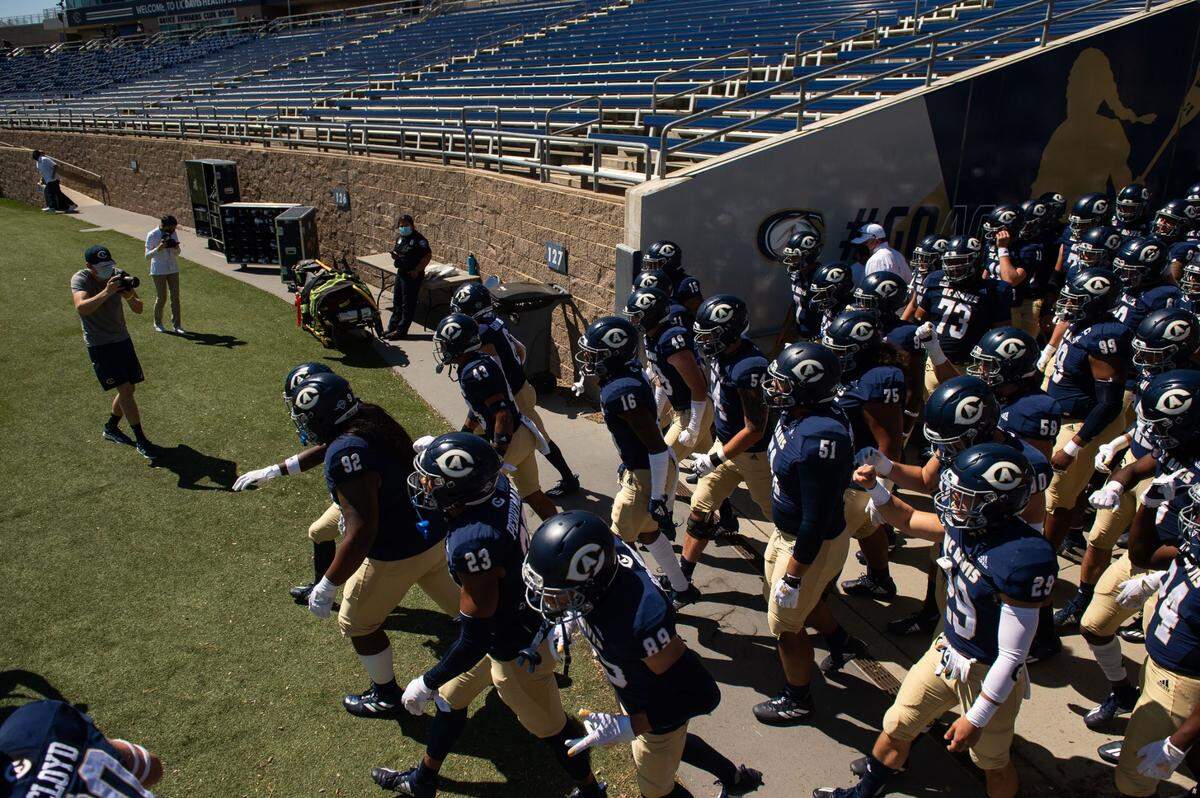
DeLuca heads a sports program whose football team has been solid to superb over the decades, including winning 31 conference championships, the most recent in 2018. The program in recent years has sold out its sparkling new home venue, UC Davis Health Stadium, which opened in 2007.
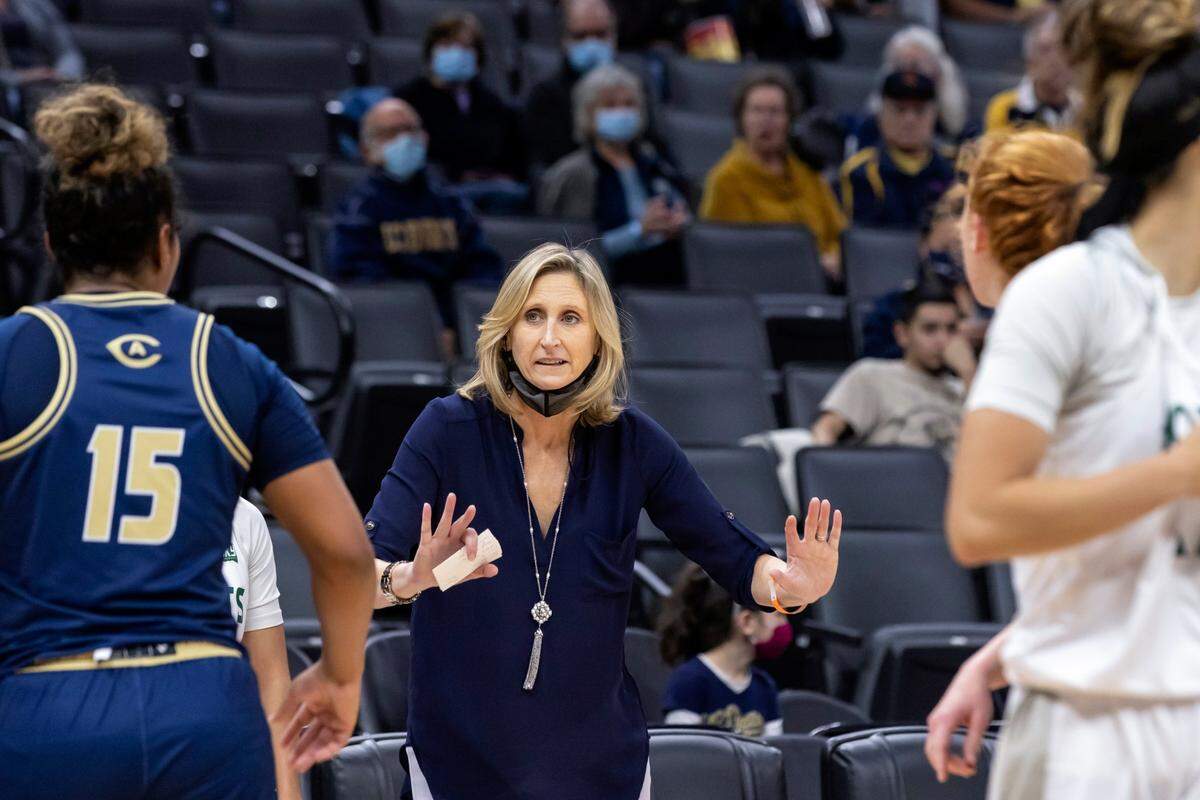
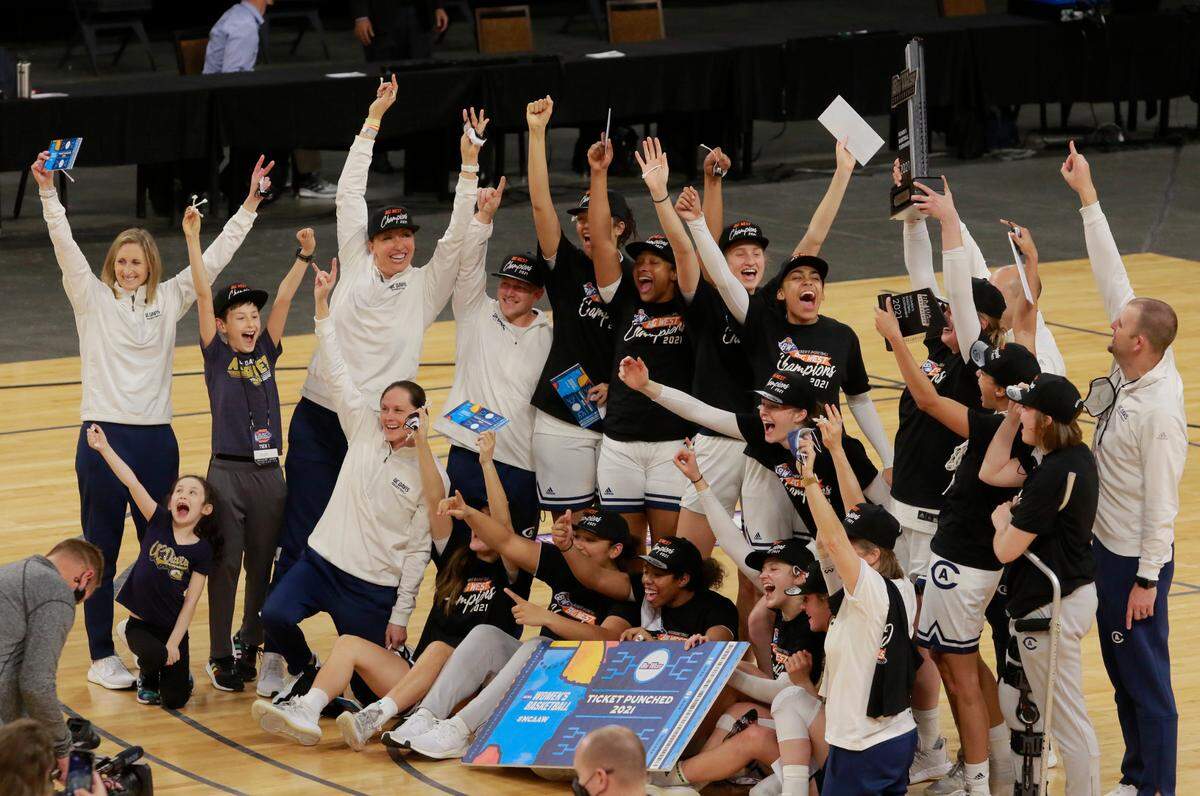
The UC Davis men’s and women’s basketball programs also have in recent years enjoyed NCAA tournament seasons, which has brought national attention to the school.
Other sports are not nearly as well known.
At the same time, the debate at UC Davis over sports fees is wrapped up in a dispute over administrators’ controversial decision in 2020 to cut physical education classes that students could take for college credit.
Wong, the student leading the proposed fee referendum, is among those who believe the school was obligated under the original 1994 referendum to use the student athletic fees to keep its PE program running. Wong is pursuing the referendum partly in protest.
The decision to cancel PE triggered a class-action lawsuit from a group of students, whose lawyers make similar arguments to Wong’s.
University officials say they were on sound legal footing when they made the cuts due to declining PE enrollment and to “recapture” the funds and put them toward “the university’s core mission.”
The case is pending in Yolo Superior Court.
Athletes push back
For Madelin Smith, a fourth-year UC Davis beach volleyball player, it’s not too early for her and her fellow athletes to be worried.
“I’m not going to underestimate this whole referendum,” she said. “I think it definitely has the capability of passing. … If you go up to a student and say, ‘Do you want to pay $600 less?’ Of course, they’re gonna be like, ‘Yeah, sure, of course.’ ”
She said it’s going to be critical in the months ahead to educate her fellow students on why these fees for sports improve life for every student on campus.
For instance, she makes the case that without athletics, there would be no reason to continue to maintain the campus running tracks members of the public, including non-students, regularly use.
As for the distaste some may have toward athletes after recent scandals, she said she hopes her fellow students understand poor choices made by just a few players shouldn’t reflect on every athlete.
“I know some of those baseball guys who were younger ones that weren’t even involved in the hazing scandal,” she said, “and they’re great guys.”
Such incidents were not on the mind of Priscila Anguiano when asked about the referendum. But fairness was.
As she walked with some friends in downtown Davis this week, Anguiano, a second-year wildlife biology major, said it came down to money.
Undergraduates such as Anguiano currently pay $14,646 in tuition and fees as part of the up to $37,604 they’re expected to pay each year for housing, insurance, books and other costs.
“It’s unfair for us to be paying for that much,” Anguiano said of the sports fees. “Maybe if it was less. I wouldn’t mind it if it was $200 or something.”
Before students vote on the referendum later this year, it requires multiple sign-offs from a student council and university officials.
A campus referendum also requires at least 20% of the student body to vote on it, and then, in order to pass, 60% of the student voters need to approve it.
“Then the chancellor, in theory, could stop it there, or send it as a recommendation to the president for approval,” said Kelly Ratliff, a UC Davis vice chancellor. “The ultimate authority is the president.”
The office of UC President Michael Drake didn’t return a request for comment.
This story was originally published January 19, 2022 at 5:00 AM with the headline "UC Davis students rebel against fees for sports. As costs rise, should they bankroll athletics?."