No — the LSAT doesn’t have a pass rate because it isn’t a pass-or-fail exam. Instead, it’s scored on a 120–180 scale and percentile-ranked, which shows how you compare to other test takers. When people talk about an “LSAT pass rate,” they’re usually referring to the percentage of students who score high enough to be competitive for admission at their target schools.
In this guide, I’ll break down how LSAT scores are calculated, what’s considered a good score, how those numbers connect to law school performance, and why your GPA, personal statement, and other application factors are just as important.
Key Takeaways
- Required for All ABA-Approved Schools: The LSAT is scored on a 120–180 scale.
- No Official Pass Rate: Schools use median LSAT score and GPA to evaluate applicants.
- Percentiles Show Competitiveness: They reveal how you compare to other test takers.
- Higher Scores Improve Outcomes: Stronger scores are linked to better grades and bar passage.
- Timed Practice Works Best: Builds accuracy, pacing, and consistency.
Understanding the LSAT
The LSAT, created by the Law School Admission Council, is the only standardized test accepted by all ABA-approved law schools in the United States. Unlike the bar exam, which comes after earning your JD and measures legal knowledge for licensure to practice law, the LSAT is an admissions exam.
Schools look at your scaled score and LSAT percentile to compare you to other applicants. The median LSAT for an incoming class is reported each year in ABA data and often influences a school’s admissions. The most selective law schools tend to report medians in the 170s, while many regional schools are in the mid-150s.
LSAT Scores: From Raw Score to Percentile Ranking
Your LSAT starts with a raw score, which is simply the number of questions you answer correctly. The number of questions you answer correctly is adjusted using a conversion chart to give a scaled score from 120 to 180.
A percentile score shows the percentage of test takers who scored higher than you over the past three years. For example:
- 173–180: Top 1–2% of test takers (highest LSAT score range)
- 165–172: Top 5–10% (strong range for top law schools)
- 156–164: Around median for many competitive schools (good LSAT score)
- 150–155: Below average, which may limit school options
Your percentile ranking is often the best way to see where you stand.

Average LSAT Score
For the 2024–25 cycle, LSAC reports that the average LSAT score is approximately 152 overall, and 151 for first-time test-takers. Among incoming JD students, the median score is around 158, with most falling between the mid-150s and low-160s. These numbers give you a general idea of the applicant pool, but your personal target should match the medians of your chosen schools.
💡 Pro Tip: Aim for the upper end of your target school’s 50% range to improve your admission chances and scholarship opportunities.
What Counts as a Good LSAT Score?
A good LSAT score depends on your law school goals. If you want a top 14 law school, you will likely need a median score in the high 160s or above. Many ABA-approved schools accept scores in the mid-150s, especially if the rest of your application is on point.
LSAT Scores and Success in Law School
LSAC research shows that LSAT scores often align with first-year grades and even bar passage. A strong score paired with a solid GPA can be a reliable indicator of academic success.
From my experience, I have seen first-time takers with mid-range scores outperform classmates with higher ones because they entered law school with discipline, strong time management, and the ability to adapt.
LSAT Prep and Improving Your Score
The biggest score jumps I see come from consistent, targeted practice. Students who take multiple practice tests under timed conditions, review their mistakes, and focus on weaker question types often make the most progress.
Practical Prep Tips:
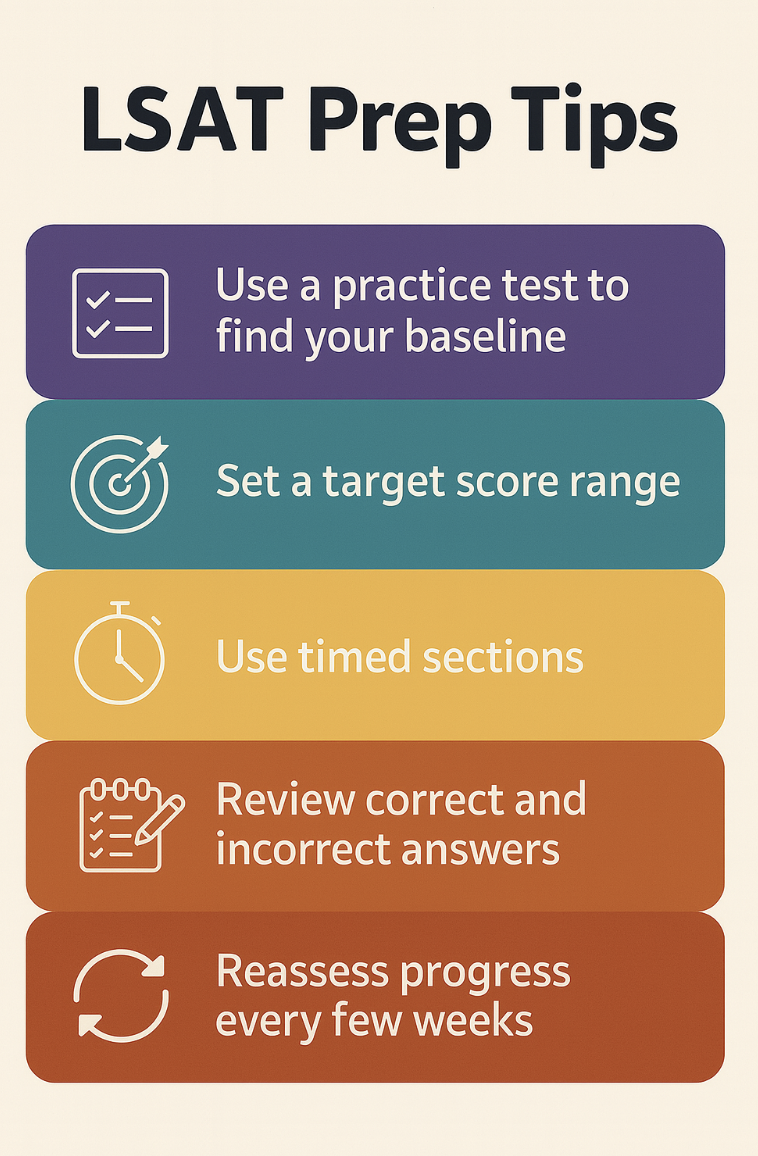
- Start with a practice test to find your baseline
- Set a target score range that matches your school list
- Use timed sections to get comfortable with pacing
- Review both correct and incorrect answers for patterns
- Reassess progress every few weeks with another practice test
A higher LSAT score can not only help with admission but also increase your chances for scholarships and other financial aid.
My Final Verdict
The LSAT does not have a true pass rate. What matters are your score range, percentile, and how you compare to the median LSAT at your target schools.
The strongest applicants pair an above-average LSAT percentile with a strong GPA, a compelling personal statement, and clear goals. Your score is important, but it is only one part of the admissions picture.
Carve your path and gain momentum toward your score goal.
FAQs
No. The LSAT is scored on a scale.
Around 152–153, based on Law School Admission Council data.
Generally 170+, though some top law schools admit students with slightly lower scores if other factors are strong.
Often yes, but curriculum and student support also affect bar exam success.
Use LSAT prep materials, take timed practice tests, and study your mistakes for targeted improvement.