
Are you getting serious about law school? Then you already know how important your LSAT score is. It’s not just a number—it can literally determine which doors open and which stay shut.
But here’s something you may not know: According to LSAC, law school applicants are up 25.2% compared to two years ago.
That means the competition is fiercer than ever. A few points on your LSAT score could be the difference between a scholarship and a rejection letter.
That’s why choosing the right LSAT prep course matters more now than ever. In this Princeton Review LSAT prep review, I’ll walk you through exactly what the course offers, what stood out to me as a real user, and how it stacks up against the competition.
Let’s get into it.
Key Takeaways
- If you want a structured study plan, then Princeton’s guided schedule and expert-led classes will keep you on track.
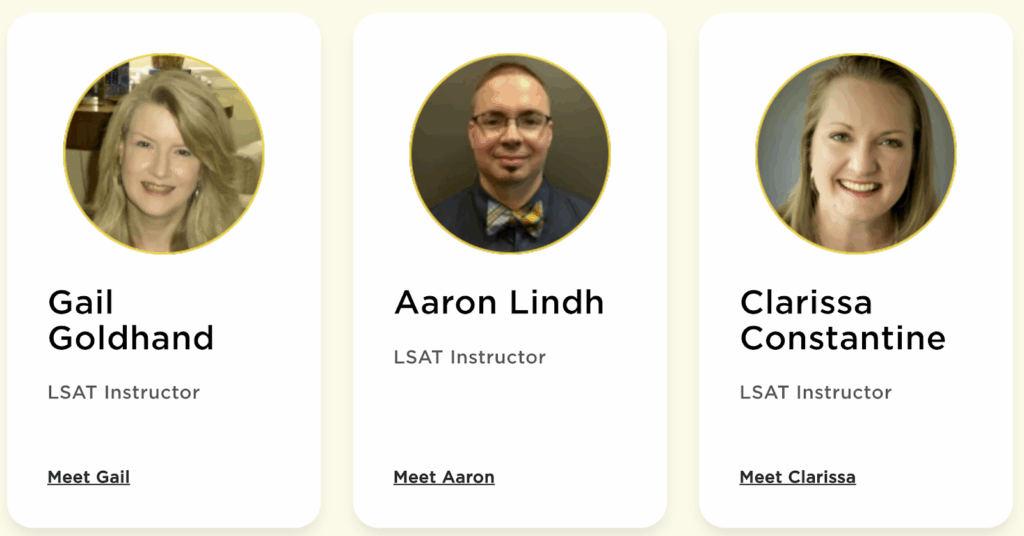
- If you’re a fan of live instruction, then this course’s strong lineup of LSAT instructors will work in your favor.
- If you need lots of practice tests, then you’ll love the 8,000+ LSAT questions and official LSAC materials included.
- If you study best on the go, then the mobile app could use some improvement compared to top competitors.
- If you’re looking for lots of customization or cutting-edge tech, then Princeton might eel a bit behind the curve.
Inside the Princeton LSAT Program
The Princeton Review has been a major name in test prep for over 40 years. Known for its hands-on teaching style and in-depth content, it covers the SAT, MCAT, and LSAT.
Their LSAT prep program is designed to help you understand the LSAT fundamentals and strengthen skills in your weak areas.
What stood out to me right away was how structured the course felt. It didn’t just throw a bunch of materials at me and expect me to figure it out. Instead, it laid out a clear study plan that made it easy to follow. The built-in checkpoints helped keep me honest—there were moments when I wanted to just skip ahead, but those little pause-and-practice moments actually helped the lessons stick. The course also aligned closely with the Law School Admission Council’s recommended prep approach, which gave me extra confidence that I was studying the right way.
What sets Princeton’s law school admission test course apart to me is its combination of high-quality instruction and a massive question bank. With thousands of practice questions, several full-length practice tests, and experienced instructors, it’s a well-rounded option. That said, it’s not perfect, especially if you’re more of an independent learner (like me) or need tech-heavy tools. Unlike Blueprint, which leans into a more visual, gamified study experience, Princeton feels more traditional, but solid.
Princeton Review LSAT Course Comparison
| Feature | Self-Paced | Fundamentals | 170+ Course | 170+ Immersion | Private Tutoring |
|---|---|---|---|---|---|
| Price | $699 | $1,149 | $1,699 | $3,599 | $167/hour |
| Access Length | 365 days | 365 days | 365 days | 365 days | 365 days |
| Live Instruction |  | 30 hours | 65 hours | 130 hours | 1:1 sessions |
| Recorded Lessons | 50+ hours | Included | Included | 150+ hours | Included |
| Extra Workshops | | | | 56 hours | |
| Practice Questions | 90+ full LSAT PrepTests™ | 90+ full LSAT PrepTests™ | 90+ full LSAT PrepTests™ | 90+ full LSAT PrepTests™ | 90+ full LSAT PrepTests™ |
| Course Materials | 1,800+ pages + eBook | eBook only | eBook only | eBook only | 1,800+ pages + eBook |
| Drills & Explanations |  | | | | |
| LawHub Advantage | (1 year) | (1 year) | (1 year) | (1 year) | (1 year) |
| Instructor Access Outside Class | | | | | (dedicated 1:1 access) |
| Mobile App | | | | | |
| Money-Back Guarantee | | | | | |
| Personalized Learning Plan | | | | | |
| Dedicated Tutoring Team | | | | | |
What Real Students Loved (and Didn’t) About Princeton LSAT
The pros and cons below are based on real feedback from verified students who left reviews on Trustpilot after taking the course.
Blueprint attracts the same shortlist, and how Princeton Review holds up against Blueprint is the direct comparison.
Pros
- Excellent Instructors: Multiple students praised instructors like Dr. H, Phoebe, and Jake for being knowledgeable, patient, and engaging—many even said they looked forward to class because of them.
- Strong Curriculum & Real LSAT Strategies: Reviewers repeatedly mentioned that the course materials helped them feel confident heading into the LSAT, especially the focus on strategies that mirrored real LSAT exam questions and numerous practice tests.
- Great Support for Students with Life Challenges: One reviewer shared that they were allowed to switch courses due to personal caregiving responsibilities, and Princeton covered the remaining balance, highlighting flexibility and compassion from staff.
- Score Improvements & Confidence Boost: Many students noted meaningful score increases (up to 11 points) and reported feeling more confident in their LSAT abilities after completing the program.
Cons
- Self-Paced Course Quality Issues: Students who took the self-paced version reported technical problems, missing explanations, and a lack of support, especially when textbooks or platform glitches were involved.
- Delayed Feedback in Homework: One reviewer noted frustration with not being able to see explanations after each question while doing homework, making it harder to learn from mistakes in real time.
Princeton LSAT Review
“It’s great if you are willing to actually put in the work. Plenty of resources and the teaching can be a hit or miss, but you have access to everything you’d need to obtain your goal score!”
Reddit User.
What’s Included in Each Package
Self-Paced
If you’re self-motivated and just need the basics, this package gives you on-demand access to core LSAT content.
- Over 150 hours of on-demand video lessons
- 1,800+ pages of detailed study materials for all LSAT sections
- Digital access to the full LSAT Course Manual
- Includes all official LSAT questions released by LSAC
- One-year access to all online course resources and tools
170+ Course
Best for students who want structure and real-time interaction with expert instructors. Includes everything from the Essentials package plus:
- 65 hours of live instruction
- Hours of on-demand recorded lessons
- Online drills with explanations for every question
- Fully redesigned for the updated format
170+ Immersions
If you’re aiming for a top-tier law school, this intensive package is designed to get you into the 165+ score range. Everything from the Fundamentals package plus:
- 130 hours of live, instructor-led LSAT sessions
- 150+ hours of pre-recorded video lessons and extra online resources
- 56 additional hours of focused skill-building workshops
Fundamentals Course
If you’re looking for structure, accountability, and expert guidance, the LSAT Fundamentals course is a solid choice. It blends live instruction with flexible tools to help you build a strong LSAT foundation.
- 30 hours of live LSAT classes taught by an expert instructor
- Direct access to your instructor outside of class for extra support
- On-demand video lessons are available anytime for self-paced review
Private LSAT Tutoring
If you’re looking for maximum personalization, the tutoring package offers 1:1 support tailored entirely to your needs—perfect if you want to target specific weak spots or need a flexible schedule.
- 1:1 personalized lessons with an expert LSAT instructor
- 150+ hours of on-demand video lessons for self-study between sessions
- Money-Back Guarantee and Tutor Satisfaction Guarantee for added peace of mind
- Access to official LSAT questions and targeted drills
Deep Dive: Princeton LSAT Course Details
How the Course Is Built
The course is offered in both self-paced and live formats, and I tested both to see how they stacked up. If you need structure and real-time support, the live classes are worth it. The 30+ hours of scheduled sessions helped me stay focused, and having an instructor walk through tricky concepts made a big difference.
Here’s what’s included:
- 150+ hours of recorded video lessons and online content
- 1,800+ pages of study materials
- The full LSAT Course Manual eBook
- Access to all previously released official LSAT questions
- 365 days of access to all course materials
I liked how easy it was to create custom quizzes. After working through some logical reasoning drills, I set up a quiz focusing only on assumption questions, which was one of my weak points.
Learning Experience on Screen
Here’s where Princeton lags a little behind. The platform is functional, but it’s not flashy. Navigating through lessons takes a few extra clicks than I’d like, and the mobile app definitely feels dated compared to competitors like Blueprint or Kaplan. It works, but the interface doesn’t feel modern, especially when switching between devices.
That said, the video lectures themselves are better than I expected. The instructors are clear, focused, and know exactly how to explain the types of logic games or reasoning questions. One thing I liked: they didn’t rush. When I was reviewing parallel reasoning, I could actually follow the breakdown without having to pause every two seconds.
I also appreciated that you can speed up or slow down the videos depending on how familiar you are with the topic. This format allows you to have a self-paced option.
The video quality itself is clean, the sound is solid, and the instructors don’t just read slides—they teach. If the platform were just a bit smoother, it would be nearly perfect on this front.
The Value You’re Getting
Without getting into exact prices, I’d say Princeton’s LSAT course falls somewhere in the mid-to-high range. You get a solid amount of resources for what you’re paying, especially in the 170+ package, which is packed with live sessions, group coaching, and extra support.
What makes it worthwhile to me is the structure and depth of the materials. You won’t just be watching lectures; you will actively work through practice questions, review missed problems with explanations, and follow a plan. This structure is valuable if you’re juggling work, school, and studying.
Another big plus is the score improvement guarantee and the Princeton Review guarantee. Not many LSAT prep courses give you that kind of financial safety net. If your score doesn’t improve after completing the course (and following all the guidelines), you can request a refund.
Still, if you’re on a tight budget or already scoring high and just need a few refreshers, you might find more affordable options that give you the basics without the extras. But for students aiming for top-tier law schools, the added support could make a big difference.
Help When You Need It
Support-wise, Princeton does a solid job, especially if you’re enrolled in the live or premium versions of the course. You can also connect with instructors during the live sessions, which adds a personal touch.
For general course access, most packages give you several months to work through everything, which is usually more than enough. The platform also tracks your progress so you know how much you’ve covered, which helps when you need to adjust your schedule.
The only downside is that support isn’t available 24/7, and the mobile app doesn’t offer the same easy access to help as the desktop version. But overall, if you run into a problem or need clarification, there are real people available to help you out.
Princeton LSAT vs. Other LSAT Prep Companies
Princeton LSAT vs. Blueprint
Blueprint’s platform is sleek and engaging, with video lessons that made studying feel manageable, even for tougher sections like logic games. As a visual learner, I found their format easy to stick with my learning style. Princeton, while less flashy, impressed me with its structure. The live classes gave me accountability, and the strategies felt practical and focused. It’s not as modern, but it delivers if you want a more guided, classroom-style approach.
Go with Blueprint if you prefer a dynamic, visual learning experience.
Choose Princeton if you want structured support and live instruction to stay on track.
Check out my detailed insights on Blueprint LSAT in this review.
Princeton LSAT vs. Kaplan
Kaplan’s platform feels smooth and well-developed, and I liked the flexibility of their live course schedule. The mobile app was especially convenient when I needed to squeeze in study time on the go.
If Kaplan is the other name on your list, the Princeton Review and Kaplan comparison runs both through the same classes and question banks.
Princeton, on the other hand, offers a more focused, small-group feel. During the 170+ course, I appreciated the personalized attention and strategic approach—it felt more intensive and goal-oriented.
Choose Kaplan if you want flexibility, strong tech, and a wide range of study tools.
Go with Princeton if you prefer a structured, small-group environment with targeted score improvement.
Learn more about Kaplan LSAT Review in this article.
Princeton LSAT vs. LSATMax
LSATMax prep courses offer a self-paced experience with decent mobile access, but when I tried it, I found it lacked the depth and structure I needed to stay consistent. It’s fine for brushing up, but not ideal if you’re aiming for a top score.
Princeton delivers a much more guided experience. They offer access to live classes, detailed feedback, and proven strategies, which gave me a clear path from where I was to where I wanted my LSAT exam score to be.
Choose Princeton if you’re serious about improving your score and want expert support every step of the way.
Pick LSATMax only if you’re already confident in your fundamentals and just need light review.
Final Verdict: Should You Choose Princeton LSAT Review?
If you want a reliable LSAT prep course with strong instruction and plenty of structure, Princeton Review is worth considering. I like how organized the study plans are and the live classes, which can help you stay focused, especially during more challenging topics like logic games.
It’s not the most high-tech or flexible course, so if you’re after a modern, self-paced experience, something like Blueprint or Kaplan might suit you better. However, in my opinion, the hands-on instruction and support offered by Princeton Review set it apart from those who need more guidance.
Boost your LSAT score, advance in your education, and gain academic confidence through Princeton Review.
FAQs
Most plans give you access for 4–12 months, depending on the package you choose.
Yes, the course includes all 92 official LSATs released by LSAC.
If you want structure, live classes, and a ton of practice exams, it’s definitely worth considering.
Some plans come with a score guarantee or refund—just make sure to read the terms carefully.
Yes, but the app is a little clunky compared to newer platforms like Blueprint.





![How to Create a Bar Exam Study Schedule [With Detailed Plan]](https://www.sacbee.com/careers-education/wp-content/uploads/sites/6/2025/06/Bar-Exam-Study-Schedule-feature-img-1024x569.png)
