Imagine running a marathon—but instead of miles, you’re tackling hours of testing! When I started my CPA Exam journey, I quickly realized that it might not involve running shoes, but it sure takes endurance. With multiple sections and timed challenges, it’s evolved significantly over the years.
The 2024 CPA exam, as part of the CPA Evolution initiative, now focuses more on technology and data analytics to meet the demands of modern accounting. Staying ahead of these changes and knowing what to expect will help you pace yourself and confidently cross that finish line on test day!
Key Takeaways
- CPA Exam Structure: The CPA exam is a comprehensive, four-part test designed to certify individuals as CPAs through a combination of multiple-choice questions and task-based simulations.c
- Core Sections: The exam has three core sections: Auditing and Attestation (AUD), Financial Accounting and Reporting (FAR), and Regulation (REG)—each assessing key knowledge areas in accounting.
- Discipline Sections: After completing the core sections, candidates can choose from specialized Discipline Sections like Business Analysis and Reporting (BAR), Information Systems and Controls (ISC), or Tax Compliance and Planning (TCP) to tailor their CPA exam experience to their career goals.
- Educational Requirements: Most states require a bachelor’s degree and 150 credit hours of coursework to be eligible for the CPA exam, along with specific experience working under a licensed CPA.
- Testing Process: Candidates must schedule the exam through designated testing windows, complete all four sections, and meet state-specific educational and experience requirements.
What is the CPA Exam?
The CPA exam is a challenging test that certifies individuals to become professional accountants. Administered by the American Institute of Certified Public Accountants (AICPA) and the National Association of State Boards of Accountancy (NASBA), the Uniform CPA Examination assesses the knowledge and skills required for success in accounting.
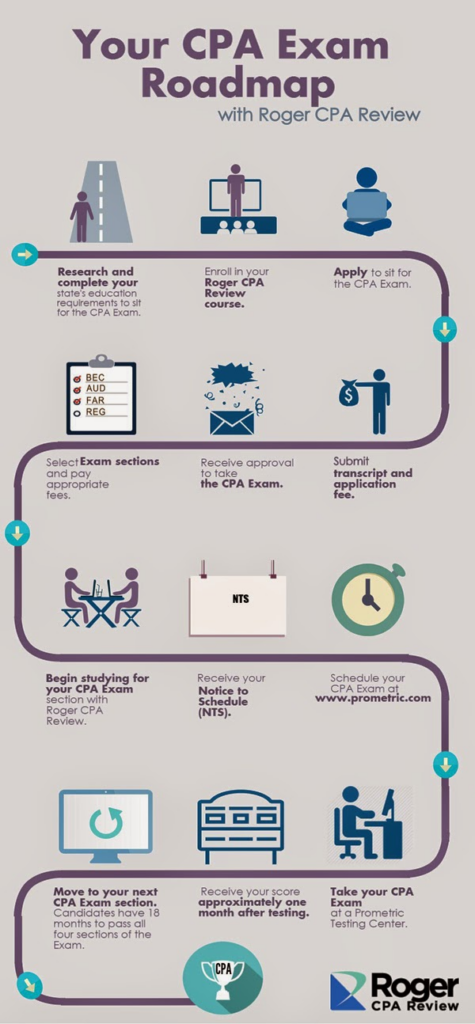
The CPA exam process involves scheduling through testing windows, passing all four CPA exam sections by studying with an updated CPA prep course, and meeting your state’s educational and experience requirements. Each section combines multiple-choice questions and task-based simulations to measure both theoretical knowledge and practical application.
Pass rates typically range from 41% to 82%, with FAR having the lowest and AUD the highest, reflecting the different levels of difficulty across sections. This thorough process ensures that individuals who earn the CPA designation are well-prepared for the challenges of the profession.
Who Should Take the CPA Exam?
Wondering if the CPA exam is for you? If you’re thinking about a career in accounting or finance, this could be a great next step. Here are a few types of people who typically go for it:
- Aspiring Public Accountants: If you’re looking to dive into auditing, taxation, or financial reporting, this exam is for you.
- Recent Accounting Grads: Just finished your degree in accounting or a related field? The CPA exam can boost your career.
- Finance Pros: Already in finance but want to strengthen your accounting skills? The CPA exam helps you add another notch to your professional belt.
- Business Managers: Want to get a better handle on the financial side of running a business? This exam can give you the knowledge you need.
Basically, if you’re serious about leveling up in accounting or finance, the CPA exam is your ticket.
CPA Exam Requirements
Before taking the CPA exam, there are a few important requirements you’ll need to meet. These will help ensure you’re ready for the challenge ahead. Here’s a quick overview of what to expect.
Education
- Bachelor’s Degree: Most states expect you to have a bachelor’s degree in accounting or something similar.
- 150 Credit Hours: You’ll usually need more than a standard four-year degree, with 150 semester hours of coursework under your belt.
Work Experience
- Work Under a CPA: Many states require you to have 1–2 years of experience working under a licensed CPA. This gives you hands-on experience in areas like auditing, tax compliance, and financial reporting.
Age and Residency
- Minimum Age: You’re typically eligible at 18, though some states want you to be 21. Others don’t have an age requirement at all.
- Residency: Some states require you to live, work, or have an office in the state.
In addition to the main requirements, some states require you to pass an ethics exam or take a course to ensure you understand professional ethical standards. Others may conduct a background check to verify your conduct and character. Since requirements vary by state, it’s important to check the specific rules where you plan to get licensed to make sure you meet all the conditions.
What to Expect on the CPA Exam
The CPA exam is divided into multiple sections, with each one focused on assessing your understanding of various accounting topics. It’s not just one big test—it’s broken down into core areas and more specialized topics to see if you’re ready for the world of certified public accountants (CPAs).
Core Sections
The exam has three main sections that you’ll need to tackle:
- Auditing and Attestation (AUD)
- Financial Accounting and Reporting (FAR)
- Regulation (REG)
Each section tests your knowledge in specific areas. Let’s break them down further.
Auditing and Attestation
This part focuses on auditing processes and the role auditors play in ensuring accurate financial statements. Here’s what’s covered:
- Ethics and Responsibilities: You’ll face questions about the ethical practices needed in auditing. You might see scenarios where you need to decide the best action for staying objective and independent.
- Risk Assessment: You’ll need to evaluate the risks of financial misstatements and plan audit strategies accordingly.
- Audit Evidence: Questions will ask about the types of evidence you need to back up your audit findings.
Financial Accounting and Reporting
FAR dives into the more detailed aspects of financial reporting, including:
- Financial Statements: You’ll be asked to prepare, analyze, and understand financial statements, including how to deal with complex transactions.
- Government and Non-Profit Accounting: This area tests how well you understand the specific accounting standards for these organizations.
Regulation
REG covers the legal and tax side of accounting. Here’s what to expect:
- Federal Taxation: You’ll be tested on tax rules for individuals, companies, and estates, with questions about tax planning and compliance.
- Business Law: This part covers the legal aspects of business, like contracts and other legal issues that accountants deal with.
- Professional Responsibilities: You’ll also need to show an understanding of the legal and ethical standards that CPAs must follow.
Discipline Sections
Once you’ve tackled the core sections of the CPA exam, there are specialized areas that focus on different aspects of accounting. These sections are for those looking to dive deeper into specific areas like business analysis, tech systems, or tax planning.
Here are the specialized sections you’ll encounter:
- Business Analysis and Reporting (BAR)
- Information Systems and Controls (ISC)
- Tax Compliance and Planning (TCP)
Each section is tailored to focus on particular skills needed for certain accounting roles. Let’s break them down.
Business Analysis and Reporting
If you’re aiming for a role in financial analysis or corporate finance, this section is for you. Here’s what you’ll cover:
- Financial Statement Analysis: Learn how to read and interpret financial reports to assess a company’s performance and health.
- Corporate Financial Strategies: Dive into capital structure, investment strategies, and financial planning that companies use to stay competitive.
Information Systems and Controls
Technology plays a huge part in modern accounting, and this section prepares you for that. It focuses on:
- IT Governance: How to manage IT resources effectively, which is crucial for positions like IT audit.
- Cybersecurity: Learn about protecting financial data from cyber threats and ensuring systems are secure.
Tax Compliance and Planning
If tax is your thing, this section is where you’ll specialize. You’ll cover:
- Advanced Tax Concepts: Federal tax laws and regulations for individuals and businesses are essential for tax compliance roles.
- Tax Strategy: How to align tax planning with business goals—perfect for those looking to work in corporate tax management or advisory roles.
These sections allow you to tailor your CPA exam experience based on what area of accounting you want to focus on, helping you build the specific skills needed for your career path.
How the CPA Exam Works
Here’s a breakdown of how the CPA exam is set up and what to expect:
Timing and Format
The CPA exam is taken at Prometric testing centers and includes multiple-choice questions along with task-based simulations that test both theoretical knowledge and practical skills. Each section lasts about 3 to 4 hours, so be prepared for a full day of focused testing.
The CPA exam is offered in four testing windows throughout the year: January-March, April-June, July-September, and October-December. It’s a good idea to schedule your exam early, as spots tend to fill up quickly!
CPA Exam Costs
The cost of taking the CPA exam varies by state, but here’s a general idea:
- Initial Evaluation Fee: You’ll likely pay between $50 and $200 for your educational credentials to be reviewed before you can take the exam. The exact amount depends on your state board’s requirements.
- Per Section Fee: Each section costs around $193 to $255, depending on your state. This fee includes charges from the AICPA, NASBA, and Prometric for test administration.
After You Take the Test
Once you’ve completed the CPA exam, you’ll receive a notice of completion, and your official CPA exam score will be posted through your state board or NASBA account. If you don’t pass a section, don’t worry—you’ll have the opportunity to retake it during the next available testing window.
If you need to retake a section, it’s important to stay focused and not get discouraged. With the continuous testing model, you won’t have to wait long to jump back in and tackle it again.
Final Thoughts
As someone who has been a CPA for 15 years, I can confidently say that taking the CPA exam is one of the most challenging yet rewarding steps you can take in your accounting career. The skills you’ll gain from the exam go beyond just passing; they prepare you for real-world scenarios and challenges you’ll face in the profession.
The process might seem daunting, but with the right preparation and mindset, you’ll be well on your way to joining a respected and vital profession. Trust me, it’s worth the effort!
FAQs
The Uniform CPA Examination is a standardized test administered by the AICPA to assess the knowledge and skills required to become a Certified Public Accountant.
Each section of the CPA exam is about 3-4 hours long. Since the exam is divided into four sections, the total time commitment is around 16 hours. However, preparation time varies depending on your study plan.
Yes, you can retake any of the CPA exam sections if you don’t pass. You’ll need to wait until the next available testing window, and your new exam score will replace the previous one for that section.
The CPA exam covers a wide range of topics across its sections, including financial accounting and reporting, auditing, taxation, and business law. Throughout the exam, you may also encounter content related to Federal Tax Procedures, which are crucial for understanding tax compliance, filing processes, and legal procedures.
The CPA exam consists of multiple-choice questions and task-based simulations. The simulations test how you apply accounting knowledge, including professional and legal responsibilities, in real-world scenarios.