Elk Grove approves $1.6M contract with controversial license plate reader company
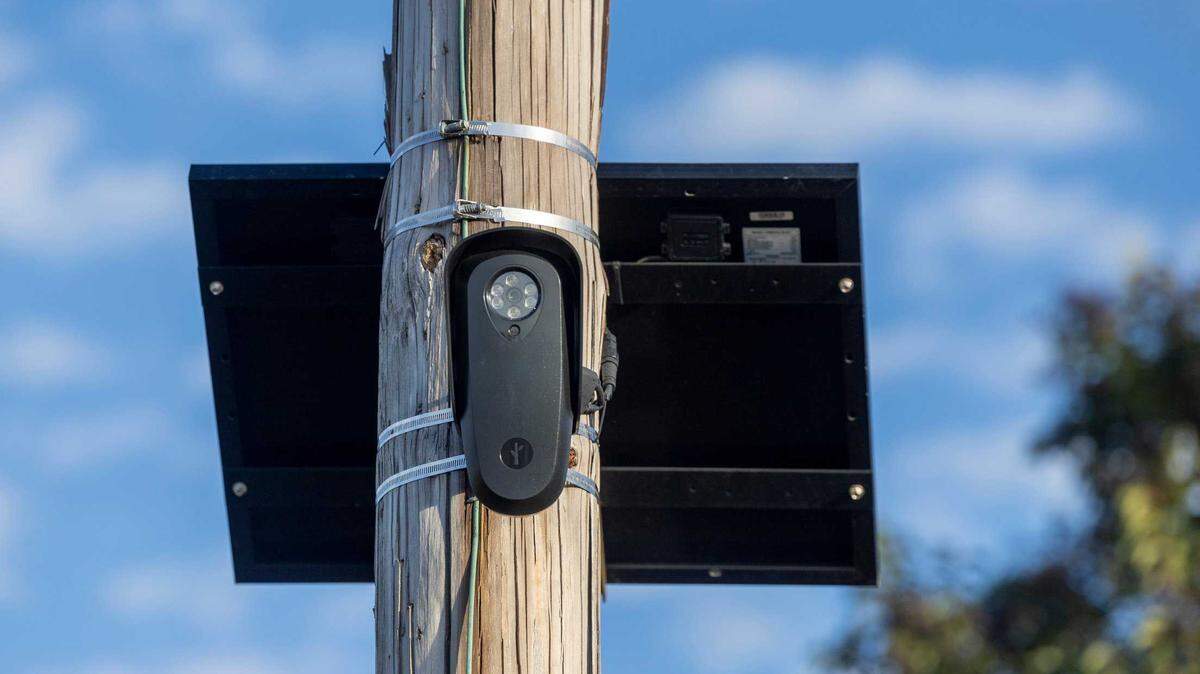
The Elk Grove City Council approved an amended contract with an automatic license plate reader company, bringing the city’s total cost to more than $1.6 million and funding camera upgrades across the city.
The city’s ALPR technology — a system mounted in fixed locations or on police vehicles that captures license plate data — is provided by Flock Safety. The City Council approved the contract unanimously on the consent calendar at Wednesday’s meeting after a brief discussion.
The city has used the Flock system since a 2021 pilot program and formally contracted with the company in 2022. The amended contract, with a total not-to-exceed amount of $1,630,808, extends through April 25, 2028, and increases spending by $194,100 from the previous agreement.
The camera upgrades include replacing “select standard units with long-distance cameras,” according to the staff report. The city also plans to reassess where cameras are placed, aligning “with roadway design, traffic patterns, and crime data to maximize coverage, read accuracy, and investigative effectiveness.”
Residents who spoke at Wednesday’s meeting and a March 25 City Council meeting raised concerns about the city’s contract with Flock, including data security and sharing practices, as well as the decision not to consider other vendors and to place the item on the consent calendar. Many urged the City Council to cancel its contract with Flock and choose another vendor.
The use of license plate readers by California law enforcement has drawn criticism from those who say data sharing could harm undocumented residents and people seeking reproductive or gender-affirming health care.
A 2016 law prohibits sharing data with out-of-state law enforcement and federal agencies, but agencies including the Sacramento County Sheriff’s Office and the Sacramento Police Department have been found to violate that law.
In December, Richmond suspended its Flock cameras after finding that the system allowed agencies outside of state to access data. Mountain View followed in February, according to ABC7 News. Santa Cruz and Los Altos also stopped using Flock this year because of privacy concerns, according to KQED.
“This could happen here,” one resident said at the March 25 meeting, acknowledging that while Elk Grove may not intend to share data, it could still be accessed by federal agencies.
Police Chief Bobby Davis and Andrea Cortez, the city’s real-time information center manager, said at the March 25 meeting that the city has used ALPR technology since 2008. There are currently 87 ALPR cameras in the city.
Davis said at the March 25 meeting that settings that allowed outside agencies to access data elsewhere are disabled in Elk Grove. The city has signed memorandums of understanding with other law enforcement agencies in compliance with California law to share information, Cortez said, adding there is no “out-of-state data sharing.”
“We do not share with ICE,” Davis said. “It is not something that we have ever done at the city. There has not been an instance in the history of the Elk Grove Police Department where we have provided ICE any information or provided assistance with any arrest.”
Davis also said at the April 8 meeting that the Flock cameras are a “tool” for public safety and have been effective in the city.
Councilmember Darren Suen said the risk of failing to apprehend suspects in violent crimes without ALPR cameras outweighs the risk of potential data sharing, which he said was “very low” given the safeguards the Police Department has in place.