
Housing, bike lanes and landscaping: How Roseville leaders could fix a forgotten corridor
It’s called “the heart of Roseville” by those who know it well.
Homes date back to the 1930s. Churches, chain restaurants and the occasional hotel define the landscape. And over the years, a California boomtown has grown in every direction around the Douglas Boulevard corridor.
But as attention was paid to sprawling housing developments, the shopping centers along Highway 65 and downtown’s shop-lined streets, the gateway to Roseville was somewhat left behind. Weeds crop up in the cracks of the narrow sidewalks, and utility boxes protrude into the walkways. There are no trees lining the streets to provide shade and relief from the blistering asphalt on hot days. As one of the major ingresses into west Roseville from Interstate 80, traffic zooms by, creating a constant low din of background noise.
Now, the city is planning to do something about it.
The city of Roseville is gearing up to spend $1.3 million on plans to beautify the Douglas corridor, hoping to make it a destination for new businesses and much-needed housing in one of the state’s fastest-growing cities.
The project, known as the commercial corridors project, is still in the planning phases and likely won’t begin construction for some time, but city officials want to revitalize “the gateway to west Roseville,” city officials said. The goal: Give the area a sense of place to entice new residents and businesses to put down roots.
The corridors include portions of Atlantic Street, Sunrise Avenue and Harding Boulevard. They’re directly off Interstate 80 and are frequented by hundreds, if not thousands, of cars each day. The corridors are home to popular Roseville shopping destinations such as Trader Joe’s, Roseville Ace Hardware and Hobby Lobby. Also in the neighborhood are original small businesses, including Roseville Meat Company. It’s one of the main thoroughfares into the Roseville Auto Mall and Roseville High School.
“These are older areas, the sidewalks are narrower and utilities can conflict with the sidewalk,” said Lauren Hocker, a senior planner for the city and manager of the commercial corridors project. “It’s about making that environment more hospitable, more than anything else.”
“People are pretty excited, I think, that we’re looking at these areas,” she added. “And this is something that some of the community members specifically asked for.”
Boost for business
Wendy Gerig, CEO of the Roseville Chamber of Commerce, said the corridors could significantly benefit from the project.
“Hopefully we’ll be getting some higher, better uses out of the area with property owners engaged in the conversation,” she said.
Gerig said many of the buildings in the corridors are single-story, which was likely the standard when they were built around the 1950s. The area could now be better served by higher-density buildings where more businesses could move in. Workforce housing could provide a boost as well.
“This area has residents, so it could attract a different variety of business that the neighborhoods around could walk to and enjoy,” she said.
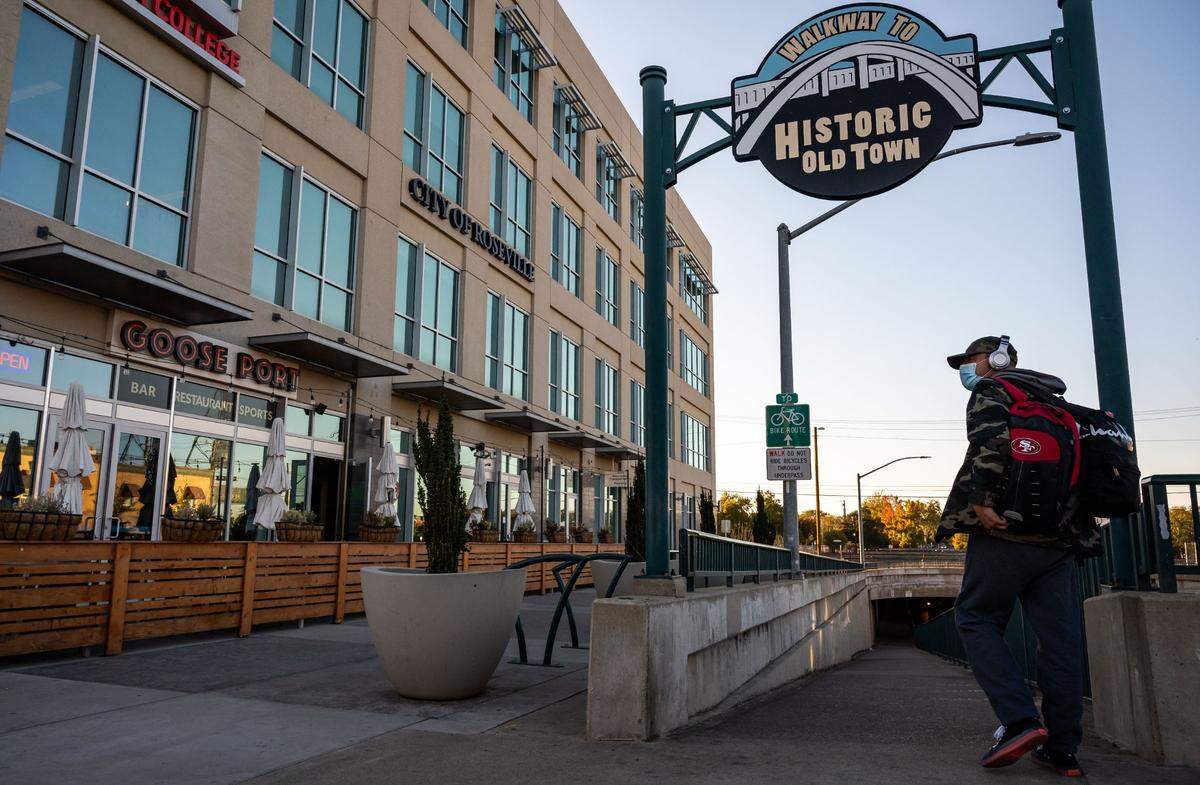
In addition to creating a better design, the project is also about creating housing, said Greg Bitter, a planning manager for the city.
“One of the main objectives ... is allowing the opportunity for housing to develop along these corridors, to make sure the zoning has flexibility that allows housing,” he said. “We talk a lot with the property owners and neighbors that we don’t want to take away any of the land use rights or the uses that are currently allowed along these corridors, but we want to add in multi-family housing as a use and make it so it’s easier for any developers to do multi-family housing.”
Roseville is one of the fastest-growing cities in California, adding nearly 30,000 people in the past decade, according to the 2020 Census. It’s a leading destination for Bay Area and Sacramento transplants, driving record-setting home value increases.
In its Housing Element adopted in August, Roseville officials said the city’s most pressing needs are for very low-income housing and above moderate-income housing. Those two groups make up more than 60% of Roseville’s housing needs for the next nine years.
Bitter said the city wants to make the corridors more attractive to developers interested in building more multi-family housing. The city identified areas on Center and Shearer streets, Harding Boulevard and Macario Court, and Sunrise and Oak Ridge drives as potential sites for new development.

These sites are the few open, unused lots or abandoned commercial spaces that exist within the crowded corridors. When asked what kind of services should take up residence in these locations, residents were overwhelmingly in favor of restaurants and shops over housing.
Aside from the opinions expressed about potential housing locations, feedback from residents has been largely positive, Hocker said.
What residents want
According to feedback given by community members during walking tours, the majority agreed that wider sidewalks, more landscaping and cohesive design would make the area more desirable. Bike lanes were also a popular suggestion, along with a greater variety of businesses that would provide recreation and shopping opportunities.
But a few business owners in the area say they’re at a loss as to how the city will fit all these goals into the already crowded corridors.
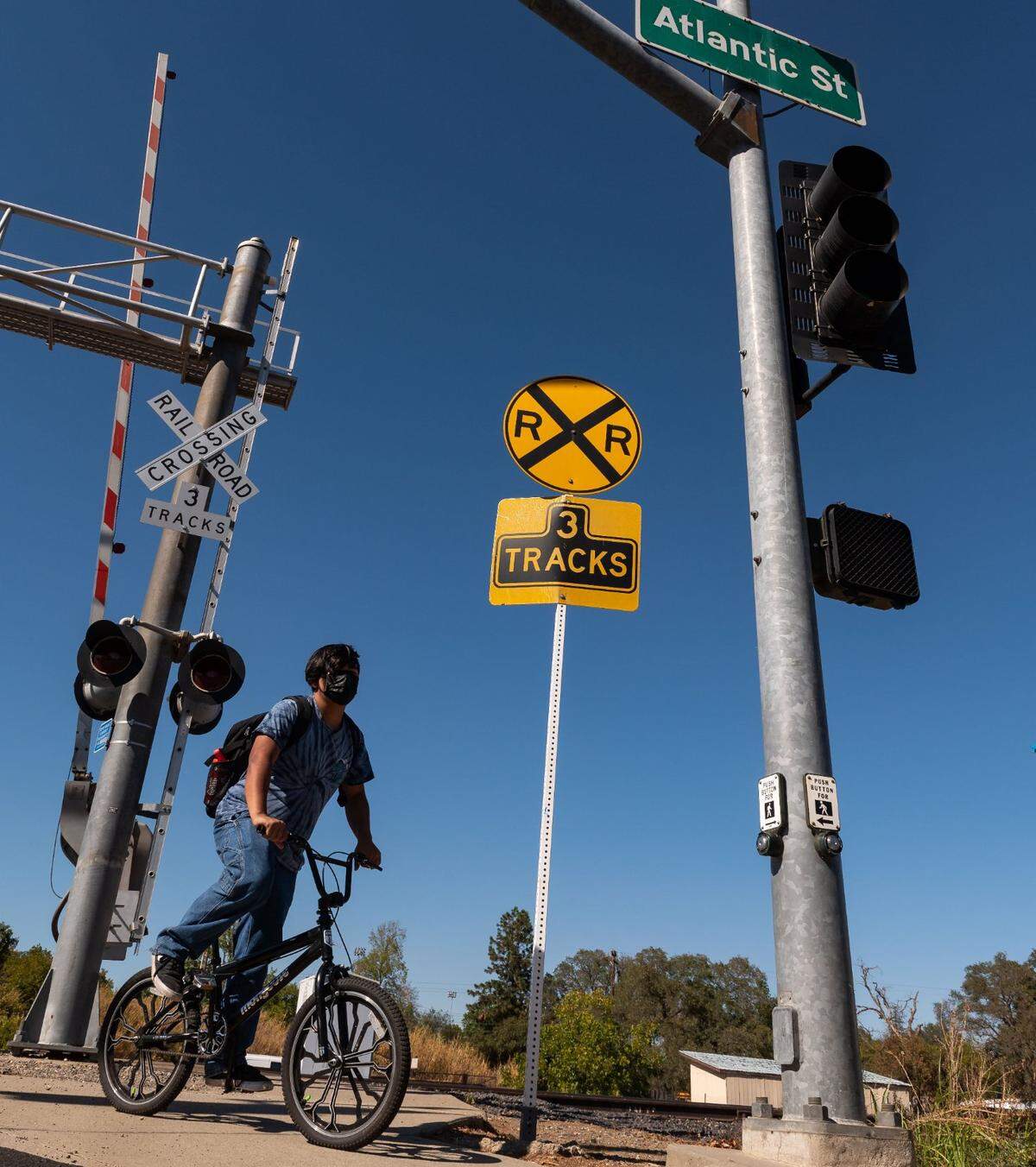
David Henry, owner of Roseville Meat Company along with his wife, Joyce, said Atlantic Street saw upgrades in the late 1990s that made the road wider and added sidewalks compliant with the Americans with Disabilities Act. A line of trees was also planted along the street. He said those improvements have been positive for vehicle and pedestrian traffic, and he’s not sure what else the city can do to make it much better.
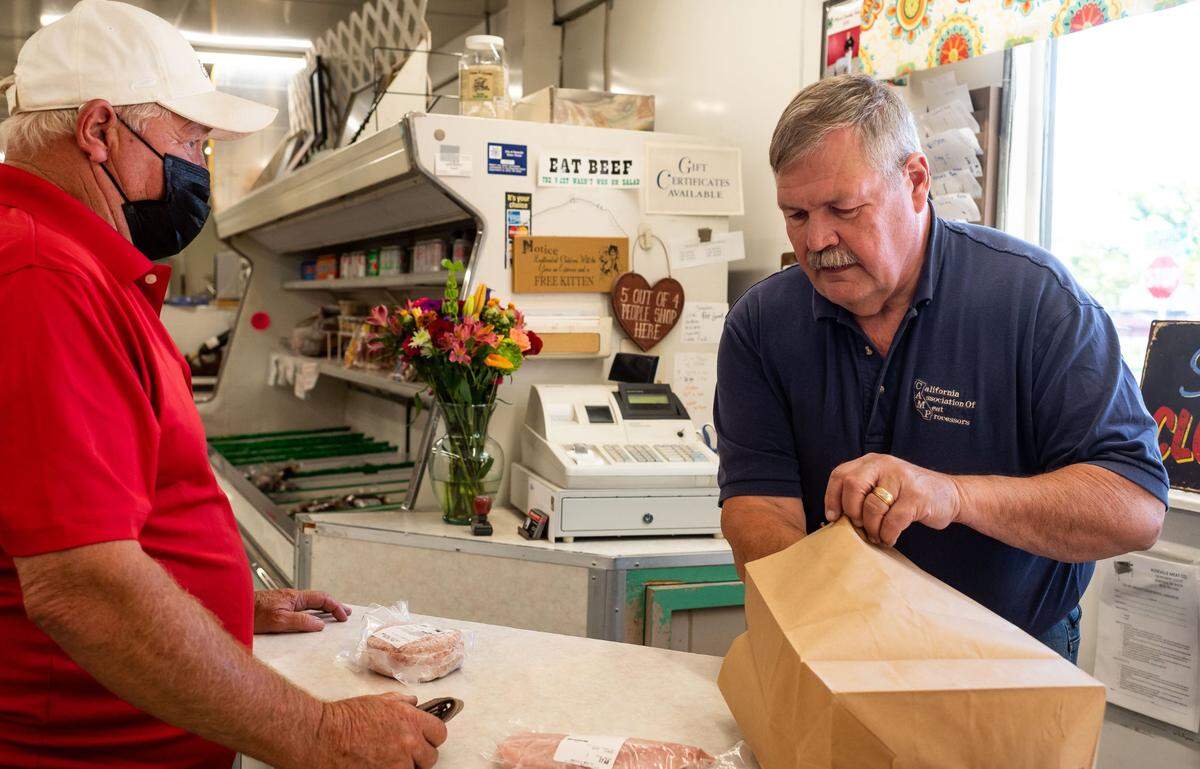
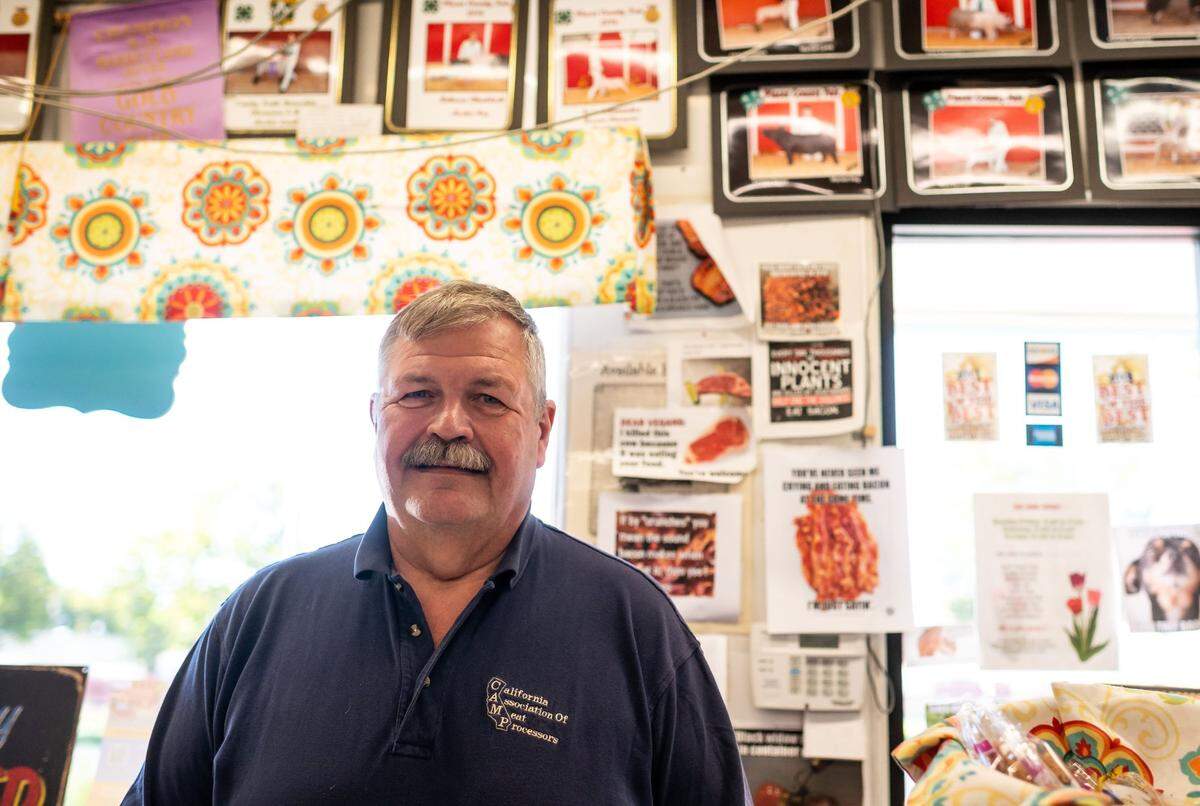
“It was a pretty big deal to get that crossing signal light back in ‘99 so the kids did have a crosswalk to come across ... but I’m not sure what else they could do,” he said. “I mean, they got sidewalks on both sides of the street, they have crosswalks at the light ... I’m not sure what else they might want to do.”
Henry said his business has been in the same location since 1946, and the city’s improvements to the street more than 20 years ago have lasted and still work well.
“Unless you knock down some buildings, there’s not really room to add restaurants,” he said.
Steve Clark, owner of Clark’s Snow Sports Roseville on Harding Boulevard, agreed, saying the area is already very densely developed, so adding homes or commercial buildings might be difficult.
Clark opened his business 23 years ago, and he said the area has been good for business. The lease was affordable, and its location near Interstate 80 was good for his ski and snowboard customers. And while the corridor hasn’t changed a lot, he said, the traffic has gotten more snarled and the crime and homelessness in the area have become bigger factors.
“It could definitely use a little shot in the arm,” he said. “Anything that’s an improvement to the area is a good thing overall.”
The city’s not finished gathering community input, Hocker said. There will be more opportunities in the coming months for residents to weigh in before final plans will be drawn next year.
This story was originally published October 20, 2021 at 5:00 AM.