Racist covenants stripped from Yolo County property records. Here’s what it took
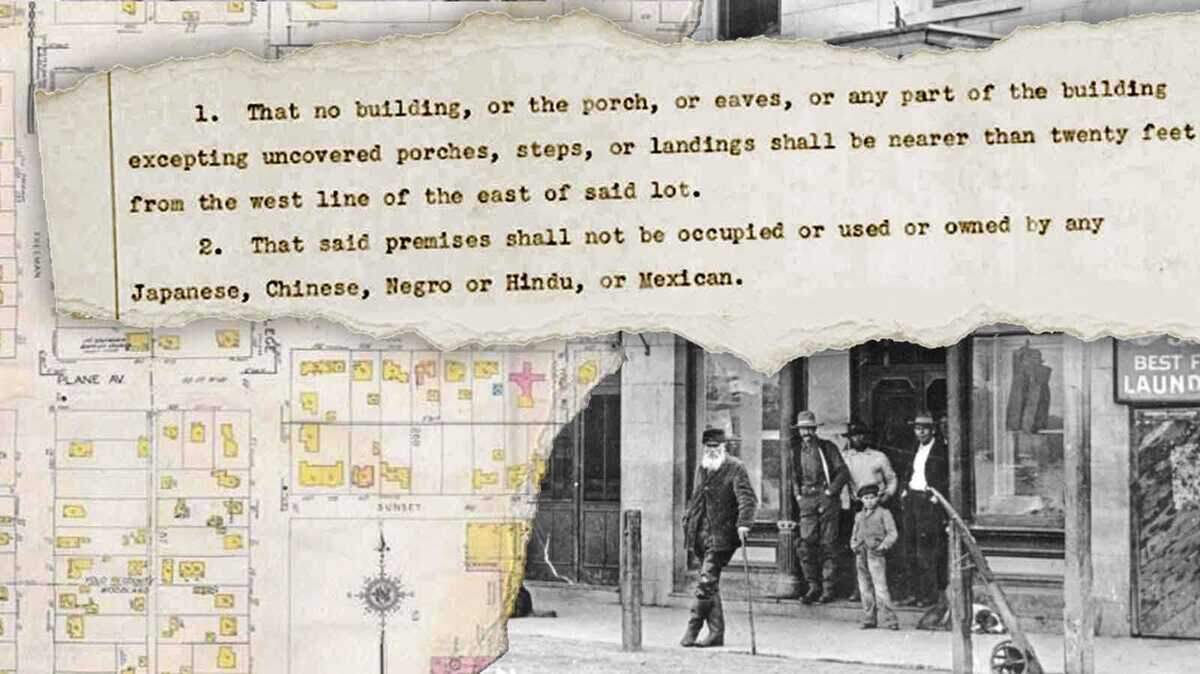
Yolo County officials have identified and modified more than 1,100 historic property records containing discriminatory covenants, some dating back more than a century.
The effort was outlined during a presentation to the Yolo County Board of Supervisors on the county’s work to identify and remove illegal covenants from property records. Such covenants have been unenforceable for decades, but must be removed under a four-year-old state law.
Many historic property records include restrictions on how property can be used and to whom it can be transferred. Such restrictions frequently discriminated against people of color.
Yolo County officials used technology to identify 1,172 documents that included restrictive covenants. The documents related to 8,187 parcels across 58 subdivisions. The effort involved the county’s IT department, county counsel’s office and the Board of Supervisors, with help from state agencies and private partners.
The county also created a mapping tool that allows the public to explore where these covenants existed and see how they were used over time.
Just over 70% of parcels affected by restrictive covenants were located in West Sacramento. The county identified 1,112 affected parcels in Davis and 872 in Woodland. Another 212 and 252 were discovered in unincorporated Yolo County and in Winters, respectively.
Assembly Bill 1466, signed by Gov. Gavin Newsom in 2021 after clearing the Legislature without opposition, requires county recorders to establish programs to identify and redact discriminatory covenants from property records. Although the restrictions have long been unenforceable under federal and state fair housing laws, many remained embedded in historic property documents.
Yolo County “played a pivotal role” in the legislation requiring the modifications, according to a county news release.
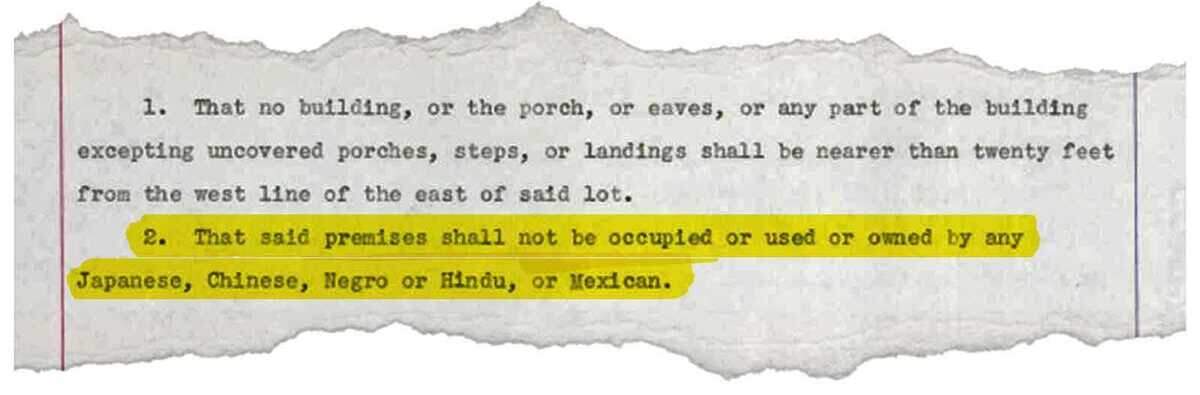
Before the law took effect, it could cost between $75 and $225 to change real estate records to remove restrictive covenants. Under AB 1466, counties cannot charge more than $2 to modify documents containing restrictive covenants.
The law also required the County Recorders Association of California to submit progress reports at the beginning of 2023 and 2025 and to hold annual meetings to discuss best practices.
Yolo County’s Restrictive Covenant Modification Program successfully redacted all the historic documents it identified. In addition to the mapping tool, the county released a slide deck and video explaining the program and how officials approached the effort.
“This program represents more than compliance with AB 1466; it demonstrates Yolo County’s leadership in promoting equity, transparency, and public trust,” Yolo County Clerk-Recorder Jesse Salinas said in the county’s statement. “The video and presentation highlight how proactive county action can drive meaningful statewide change and serve as a model for other counties and hopefully the nation.”
This story was originally published March 8, 2026 at 5:00 AM.