
‘A perfect fit’: How Sacramento is using music festivals to boost tourism, grow economy
First, Sacramento was dubbed the City of Trees. Then, it became America’s Farm-To-Fork Capital.
But here’s a slogan that may need to be considered instead for the Freeport water tower: Sacramento – City of Music Festivals.
It will definitely be like that over the next two weeks as tens of thousands descend on Discovery Park.
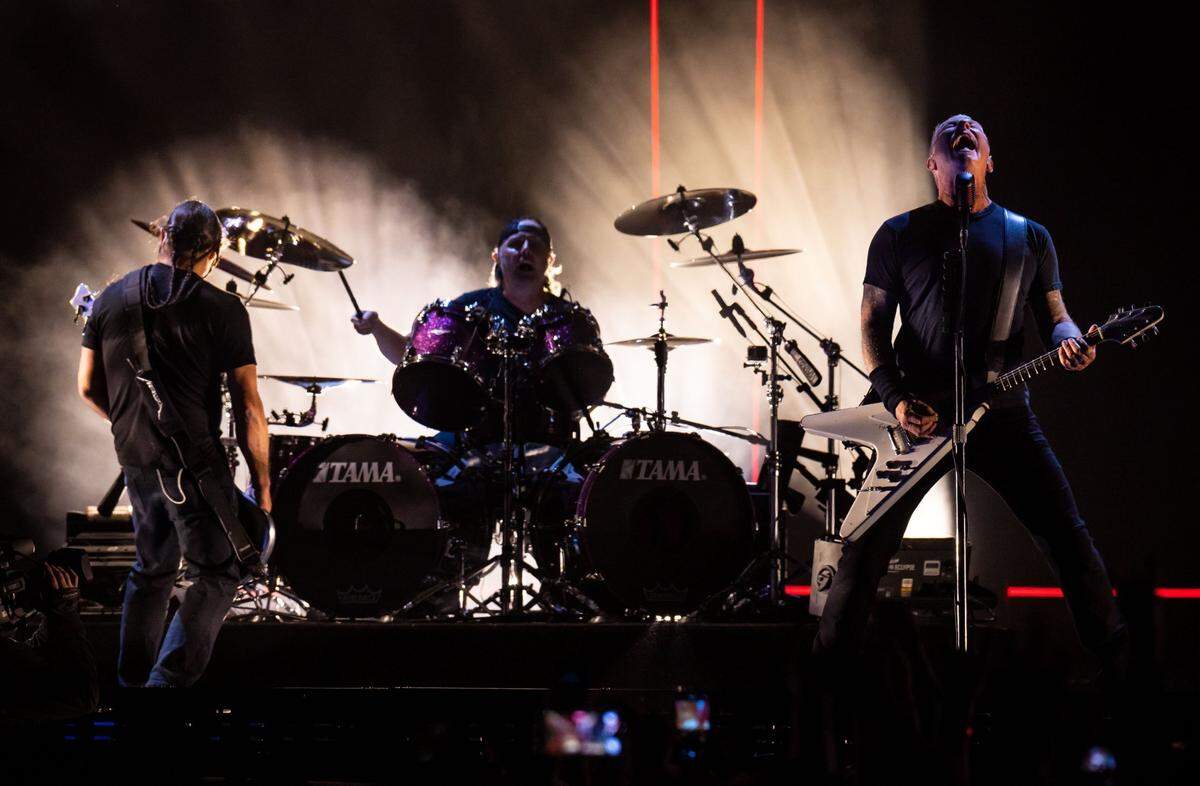
The Aftershock Festival begins its four-day run starting Thursday with such headliners as Kiss, My Chemical Romance, Slipknot and Muse. The following week, on Oct. 15 and 16, the nascent GoldenSky Festival will take over Discovery Park with two days of country music featuring Tim McGraw, Sam Hunt and Brothers Osborne.
Both festivals are produced by Danny Wimmer Presents, a Los Angeles company that organizes and promotes concert festivals around the country.
But this is about more than bringing music to Sacramento. The festivals are part of a concerted effort to boost tourism, to the tune of $1.5 million approved this year by the Sacramento City Council to support festivals and events.
Music fans and civic officials applaud the move, yet the current timing could prove to be tough. Across the country, the market for multi-day music festivals has softened due to increased competition, labor issues and inflation.
Danny Hayes, chief executive officer of Danny Wimmer Presents, remains confident, and said that Sacramento is the ideal spot to grow festivals.
“Sacramento is a perfect fit because we like to be in secondary markets that are on the rise,” said Hayes. “It’s hard to go into a city like San Francisco and get the kind of civic support you need. Here in Sacramento, you have a city leadership that’s committed to tourism, and when you’re committed to tourism you’re committed to growth.
“Tourism is a driver to get people and businesses to move there. That’s the ecosystem that we look to be part of.”
Aftershock reverberates with money
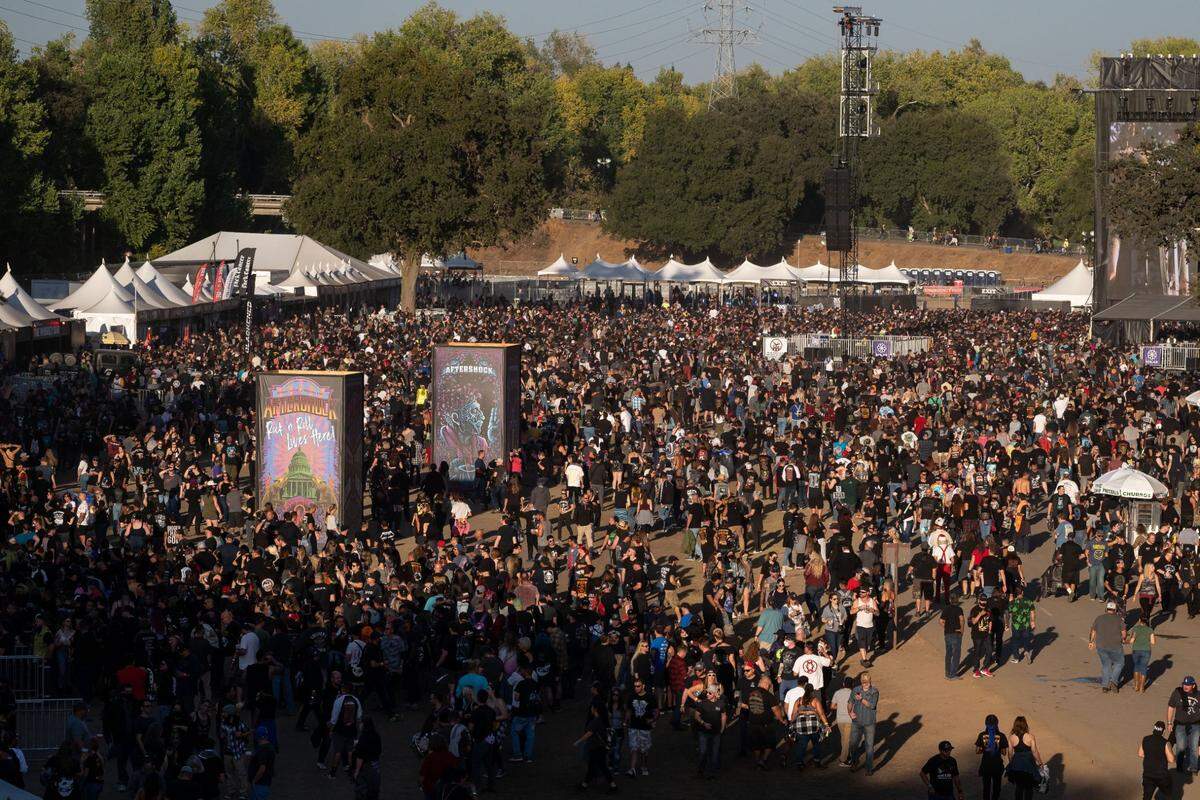
The economic boom from Aftershock is impressive. The festival started as a one-day event in 2012 and has since grown into four full days of music with an overall economic impact of more than $26 million in 2021, according to Visit Sacramento. That included more than $1.5 million in hotel and sales taxes collected by the city and county, along with the support of 7,000 jobs.
Given the boost in the city’s economy and cultural life, some officials have long championed Aftershock. Sacramento County Supervisor Phil Serna, who represents downtown and Natomas, is among its most ardent supporters.
“As the Sacramento County Supervisor representing the central city, including Discovery Park where Aftershock is held, I’ve worked closely with festival promoters, our regional parks department, and Visit Sacramento for years to see that the festival grows responsibly and with an eye toward attracting some of the best acts around,” said Serna, in a 2021 op-ed for The Sacramento Bee. “(Despite) some who remain critical that festivals like Aftershock amount to nothing more than unnecessary noise and traffic, I continue to champion the event’s growth and success.”
GoldenSky will make its debut this year and is projected to attract about 15,000 each day. According to Mike Testa, president and CEO of Visit Sacramento, GoldenSky is projected to have an economic impact of more than $12 million and support upwards of 6,250 jobs.
Hosting major music festivals on back-to-back weekends became part of the long-term plan as Aftershock’s attendance grew over the past decade. In Louisville, Kentucky, Danny Wimmer Presents produces the hard-rocking Louder Than Life festival, which follows Bourbon & Beyond, with such headliners as Pearl Jam, Kings of Leon and Chris Stapleton.
Testa went on a fact-finding mission to Louisville in 2018 and felt that Sacramento could do something similar, initially with hard rock and country formats.
“I thought our venue was better in Discovery Park than what they had (in Louisville) and we don’t have the same torrential weather risks like they do,” Testa said. “The other part was that we knew this is as big a country market as much as it is a metal market. I thought we’d get a base level of ticket sales from locals and that we’d be able to get to a level that was profitable for them.”
Building a festival brand
Launching a music festival like GoldenSky is notoriously difficult.
Building a festival brand to profitability can take years as its reputation spreads and its ability to draw big headliners grows. The financial hurdles are often tremendous.
Coachella lost $1 million in its 1999 debut year and almost didn’t return. Producers of Napa’s BottleRock festival lost millions in its 2013 launch and filed for bankruptcy, all while facing lawsuits over unpaid bills.
It’s especially tricky in 2022. Following the COVID-19 pandemic, music fans rushed to buy tickets for festivals as live music returned. But now, with a crowded festival market, inflation and labor issues, sales have softened.
Hayes says ticket sales are down between 20% and 30% across the Wimmer festival portfolio. Aftershock also took a hit when Foo Fighters canceled its tour plans, including its Sunday night headlining set, following the death of drummer Taylor Hawkins. Aftershock is still expected to bring more than 35,000 attendees a day over its four-day run.
“There was so much pent-up demand (in 2021) that tickets were selling like crazy,” said Hayes. “It’s normalized and think a lot of people didn’t anticipate that and booked shows as if it was going to be 2021 all over again. So, you’re seeing a lot of people get hurt because they didn’t properly forecast that there would be a hangover after the party.”
In the case of GoldenSky, the festival benefits from Visit Sacramento’s support. In July, the Sacramento City Council approved $1.5 million in funds, which came from a federal American Rescue Plan grant, as part of Sacramento’s tourism recovery. The funds were issued to Visit Sacramento which, in turn, helped secure GoldenSky and underwrite its risk as a new festival.
As part of the deal, Danny Wimmer Presents will make an annual charitable donation of $25,000 to support Sacramento’s music scene. The first beneficiary is the Capitol Venue Coalition, which advocates for Sacramento’s independent entertainment venues. Current members include Harlow’s, Cafe Colonial, the Crest Theatre and the Torch Club.
If all goes to plan, that $1.5 million investment could ultimately produce a return in the $12 million range for economic impact, tourism officials expect.
“We are working hard to make ourselves a City of Festivals,” Sacramento Mayor Darrell Steinberg said. “This is part of our comeback strategy. I’m not afraid to champion investing public resources in building the creative economy, and that’s exactly what we’re doing. These are the seeds for something that over time is going to continue being very special. It’s part of building a great city. And, frankly, it’s the fun part.”
With the funding help, Danny Wimmer Presents agreed to a three-year commitment to grow GoldenSky in Sacramento. The hope is that the festival will be to country as hard rock is to Aftershock. In the case of Aftershock, the event draws attendees from all 50 states and more than a dozen foreign countries. The concert trade publication Pollstar ranked Aftershock in 2021 as the world’s third-highest grossing music festival.
Can Sac be like Austin?
The arrangement with Visit Sacramento also calls for GoldenSky to include local artists and businesses as part of the event. The festival will include Sacramento area beer and wine producers, and a Farm-To-Fork restaurant village will showcase Sacramento as a national culinary destination.
Looking ahead, organizers are hoping to add a third consecutive festival weekend.
The initial plan is to feature Americana acts, but first GoldenSky must come into its own as a profitable festival, Wimmer officials said. Other ideas for future growth include hosting music industry workshops and seminars on the days in between the festivals, similar to the South By Southwest festival in Austin, Texas.
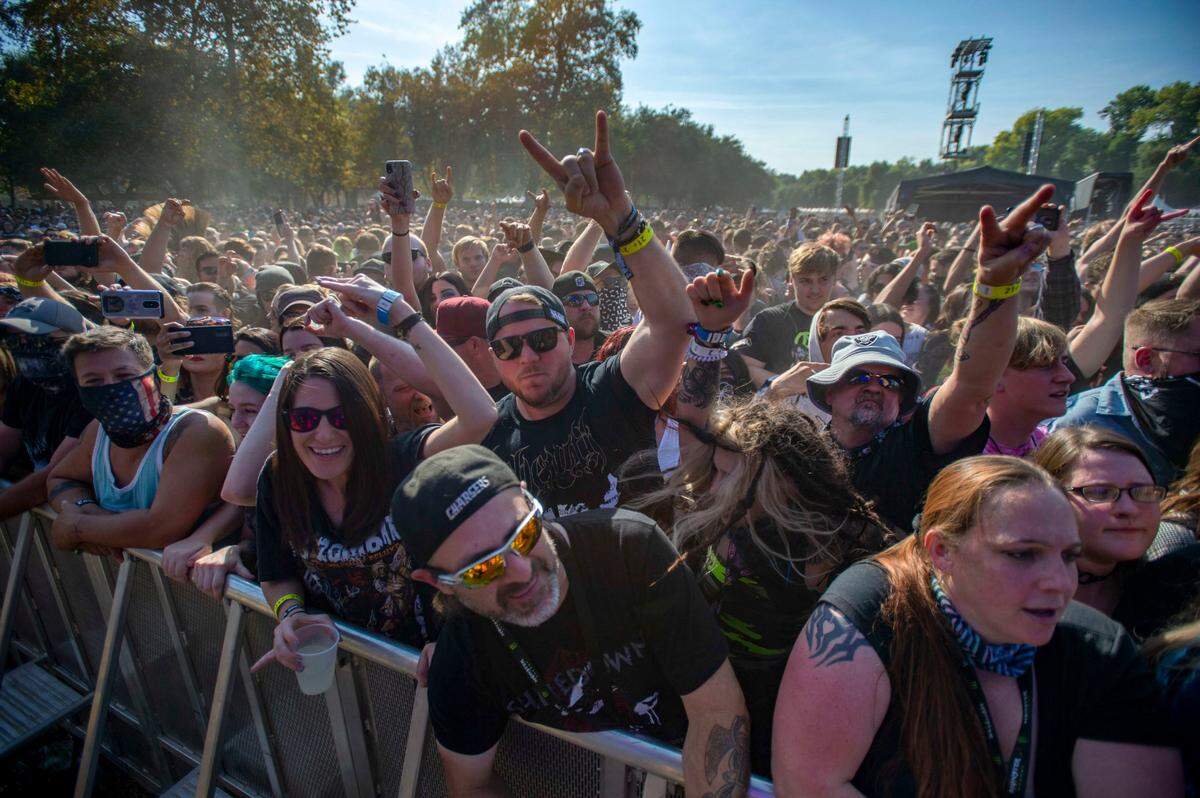
With all this headbanging and boot-scootin’ around Discovery Park, could Sacramento someday become the new Austin?
“I like Austin, but I want us to be Sacramento,” Steinberg said. “When we sell out Aftershock, that sends a message. We’re on our way and the music festivals are a huge part of it.”
This story was originally published October 5, 2022 at 5:00 AM.