
$24K a year in dog food — living your dog sled team dreams comes at price
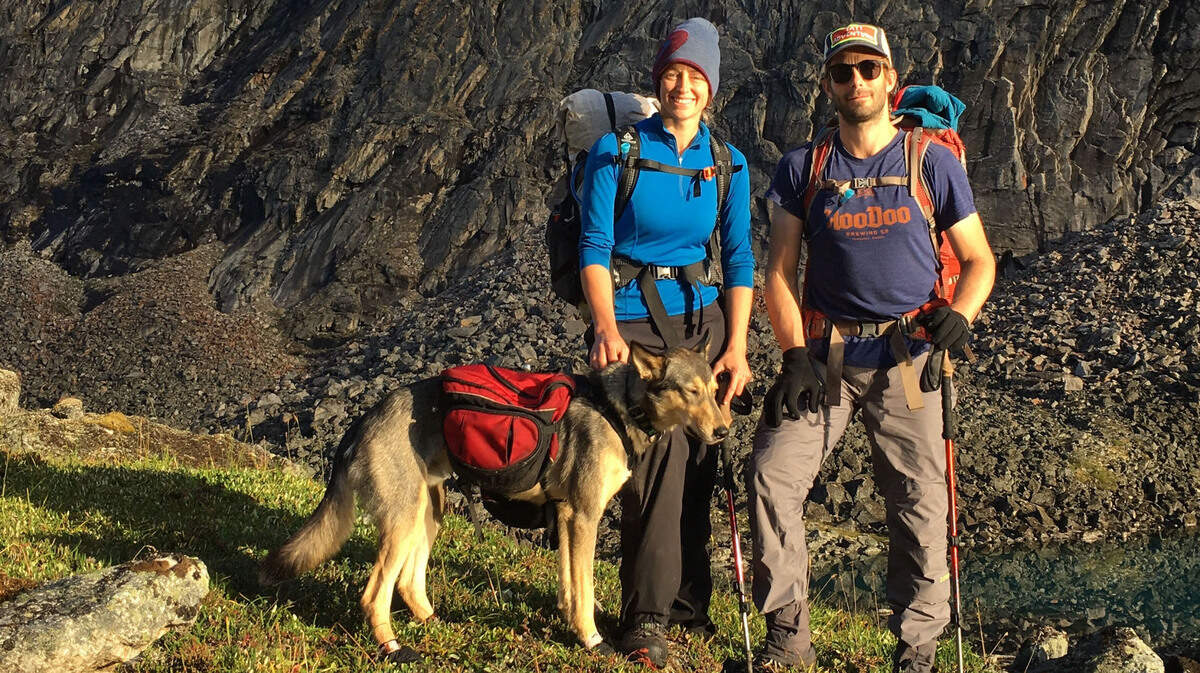
When some people plan to relocate, they consider property values, schools or culture. Matt and Jesika Reimer looked for space for their dog pack.
The Reimers moved to the greater Sacramento region in 2020 from Alaska, so Matt could work at UC Davis as an associate professor and Jesika could do funded research at the school. Though they’re both now UCD employees, they live about 70 miles northeast of campus in Emigrant Gap. Home is now 10 acres of forested land that includes a cabin, yurt, and kennel.
“We were coming down with six dogs and knew we wanted to have a litter,” said Jesika, during a recent joint interview with Matt from a brewery in Missoula, Montana, where they’d traveled for a race.
The Reimers eschew a life of convenience in favor of one that’s geared around them being able to care for and train a dozen Alaskan huskies, the majority of whom have begun to race in dog-sledding events throughout North America.
It’s by no means an easy life or a cheap one. The Reimers spend $24,000 alone annually on dog food, having it delivered by the pallet, 2,000 pounds at a time. There are also expenses like race fees, the dog handler they hired off Craigslist who now lives in their yurt, and 1,400 booties they purchased just for this race season for their dogs’ feet.
The Reimers defray some of their costs by selling stickers and T-shirts in honor of their pack, but they cover the rest out of pocket. They have no sponsorships yet but would be happy to land one, such as a butcher providing meat or fish for their dogs to eat.
“Their life revolves around those dogs for sure,” said their friend Wendy Holman, who travels with them to races, being part of a support team with Matt and dog handler Theresa O’Gorman while Jesika and the dogs compete.
The Reimers, who have been together 21 years, are each originally from Canada. Matt hails from Saskatoon, Saskatchewan, while Jesika is from Yellowknife in the Northwest Territories where she grew up around sled dogs. They originally came to UC Davis for graduate school in the mid-2000s and got their first dogs after moving to Alaska in 2013.
Today, they have a pack that skews young. In order of age, the Reimers’ dogs are: Polarbear, age 9; Pliny, 8; Sloan, 7; Harper, 6; Fishlegs, 5; Arrow, 5; Solow, 5; and Solow’s dogs who are 2 years old, Marmot, Revi, Norquay, Nakiska, and Sunny.
The youngest nine dogs race, while the oldest three participate in group social outings and go on training runs of up to 20 miles. The Reimers don’t have a hard cutoff age for when they stop racing their dogs. They let them do so as long as they seem eager to run.
Dog sled training in Emigrant Gap
Emigrant Gap is a small, eclectic, and tightly-knit mountain community that sits just below Interstate 80 and an active rail line. Generations ago, this was a railstop and vacation getaway, with a former hotel, general store and elementary school – all now converted for residential use.
During summer months, the Reimers typically keep their dogs out of harnesses, believing strongly in the training value of free play. The pack gets time twice a day to roam freely around a two-acre fenced play area on the Reimers’ land. Neighbors know their dogs.
“They’re super-playful with each other,” said Adrian Saldaña, who lives next door.
At least one of the Reimers is often around the dogs. Matt, who teaches agricultural resources and economics, commutes to UC Davis a few times a week by Amtrak from Auburn, getting work done on the train. Jesika, whose research focuses on how bats fare at northern latitudes, goes in once a week.
As the weather gets colder, neighbors sometimes see the Reimers on ATVs or bicycles leading their dogs on harnessed training runs.
“We’ll start training really small miles, but maybe about two or three miles,” Jesika said. “And then we build really slowly.”
Training isn’t just running. They also set up temporary camping areas that emulate the breaks during races where the dogs sleep for six hours.
Outside of Emigrant Gap, the Reimers sometimes interact with fellow dog-sledders – or, mushers – such as Matt and Jen Raffaeli, trainers based about a half-hour east of Emigrant Gap in Truckee.
“They’re always game for an adventure and they’re always gonna be smiling through whatever challenge they face,” Jen said.
Racing the team
All the work leads to race day. On the course, Jesika watches her pack closely for any sign of pulled muscles or mental discomfort, stopping when necessary. At checkpoints, she’s boiling water and laying out straw mats for her dogs.
Jesika gets about 30 minutes of sleep during races, which have ranged from 62 to 100 miles for her team thus far. Her dogs get six hours of sleep, the mandatory rest time in recent races, though it can vary when and how these rest periods are broken up depending on the race.
The young pack is doing well, with Jesika having finished second in the recent Rocky Mountain Triple Crown. That event featured 100-mile races in Oregon, Idaho, and Montana. Then, the Reimers headed north for six weeks in Canada, where Jesika and the dogs will continue to race.
The Reimers have received only nominal cash or other rewards so far from racing. They don’t plan to race in the 938-mile Iditarod Trail Sled Dog Race, which is perhaps mushing’s most lucrative, prestigious, and notorious event. Animal rights groups claim a significant number of dogs have died in the race over the years.
Jesika prefers to keep a smaller kennel than what that race can require and to focus on competitions or adventures closer to home, though she’s volunteered for Iditarod before.
The Reimers are mindful of concerns some may have around their pursuit, with Jesika saying what they’re trying to do with their dogs in California is adventure and “explore the backcountry.” They don’t intend to have another litter of puppies.
Their dogs are the closest they have to children.
“They’re not little humans, they’re not mini-me’s,” Jesika said. “But there’s some sort of gratification and fulfillment in life in knowing that you’re teaching and raising other little things.”
Stay up to date on the Reimer’s pack: You can find information about their team’s swag and races at www.reimerpack.com.
This story was originally published February 24, 2023 at 6:00 AM.