
‘What is the future of theater?’ Capital Stage grapples with coronavirus, racial justice
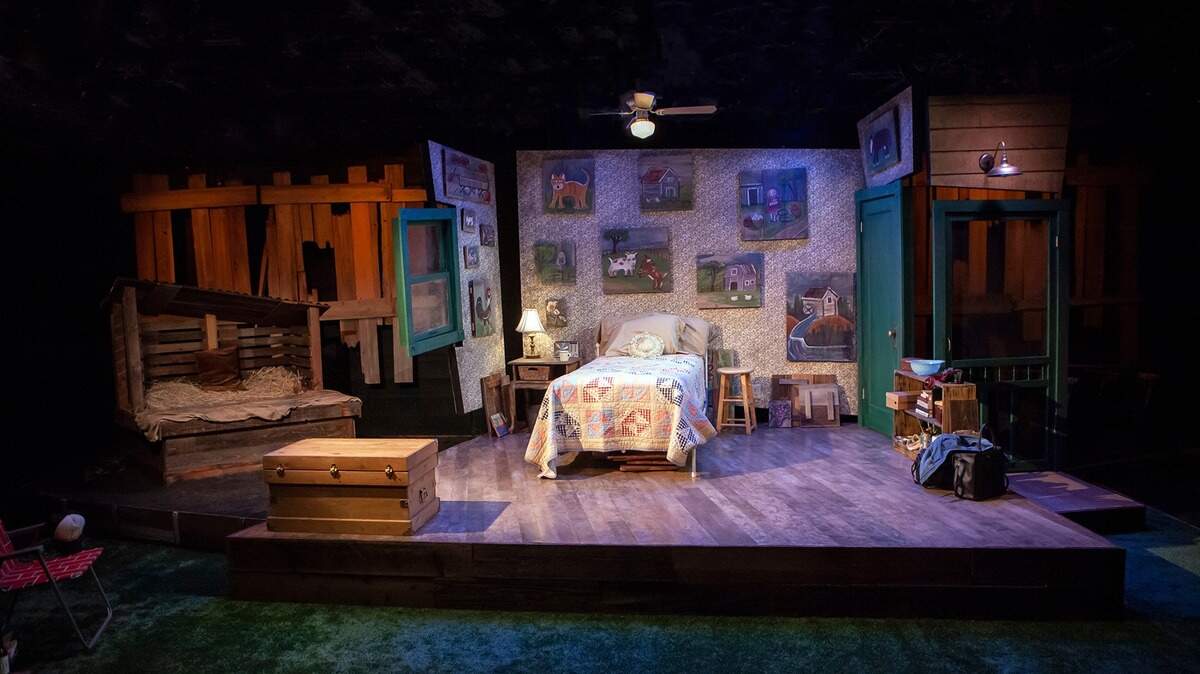
On March 11, Capital Stage held its first preview for “Admissions,” a play focusing on privilege, nepotism and inequality in the college admissions process. The next day, following public health guidance for the coronavirus, the theater canceled all of its shows for the remainder of the month.
“Admissions” was supposed to reopen April 1; two other productions were lined up through July. But as the stay-at-home orders dragged on and infection rates went up, it became clear that none of this was going to happen.
“We were trying to figure out from then, ‘What’s our next step?’” said Michael Stevenson, producing artistic director at Capital Stage. “A construct at the heart of our business is people getting together in close quarters. So, it’s been really tough.”
Capital Stage — which started out on a boat in Old Sacramento — came to J Street in 2011, and would’ve completed its 15th season if not for the pandemic. Stevenson said the company’s mission is “to challenge, engage, and entertain our audiences with bold, thought-provoking theater,” often of the “off-Broadway, edgier” sort. Stevenson points to “Vietgone,” last season’s comedy about Vietnamese refugees in America during the Vietnam War, as an example of what he seeks to bring to Capital Stage — plays that “really have an original voice.”
Beyond originality, though, Stevenson also wants productions to deal with issues of the day. Today’s issues, in the wake of George Floyd’s death at the hands of Minneapolis police officers on Memorial Day, are those of racial inequality and justice. Capital Stage had scheduled the play “Passover” for May. A modern retelling of Beckett’s “Waiting for Godot,” the play focuses on two young black boys.
“George Floyd’s death happened during what would’ve been (the production of) “Passover,” which dealt directly with black lives and police brutality,” Stevenson said. “It’s our hope that our productions create conversations about the critical social issues affecting our communities right now.”
Rinabeth Apostol, an actor in both “Vietgone” and one of Capital Stage’s now-canceled productions, emphasized the importance of diversity within the theater world. With cities across the nation protesting police brutality, “There’s an introduction of, ‘How are these theater companies going to not just be allies, but be held accountable to tell diverse stories and employ black, indigenous people of color?” she said. “Is this going to further divide the theater community considering a majority of theater houses have subscribers who are older, white and affluent? Will our stories still continue to matter? And will they matter more?”
Apostol said Capital Stage has always focused on the stories of marginalized groups.
Perhaps it’s this niche for socially relevant theater that’s provided Capital Stage with a solid and significant fan base. While COVID-19 has translated into a death sentence for many businesses, Stevenson said Capitol Stage is fortunate.
“We were having a very good year. We also had some terrific support from our patrons and our donors,” he said.
But, of course, the good fortune is now severely challenged. Gov. Gavin Newsom has indicated he won’t allow crowds at events until there’s a coronavirus vaccine or the number of new cases plummets. That means there likely won’t be any shows at Capital Stage any time soon.
“For the time being, for a couple months, we’re OK. It’s just as it gets on later into the year ... it’s going to become more difficult the later we have to start,” Stevenson said. “I would not say we’re good, but we’re OK.”
Capital Stage has already announced the series of shows for its 16th season — which now includes “Passover” — though a start date remains up in the air. The company might even temporarily move spaces for its reopening to better comply with social distancing procedures.
In the meantime, Capital Stage has been hosting interviews with artists, directors, founding members and engaging patrons through various forms of media. It also has some readings coming up. It’s helpful but not nearly enough for actors and creatives who crave an outlet.
“Myself and my colleagues started really thinking, ‘What is the future of theater, now that this pandemic is here to stay for quite a while?’” Apostol said.
“It’s kind of a problem with theater, right? You want to be in the room,” Stevenson said. “So while it’s wonderful that we can stay connected with people, we’re missing something. We’re missing the live aspect of theater. It’s a fine line.”
This story was originally published June 8, 2020 at 8:42 AM.