
Blood donations are only relief for sickle cell patients — Red Cross needs money for testing
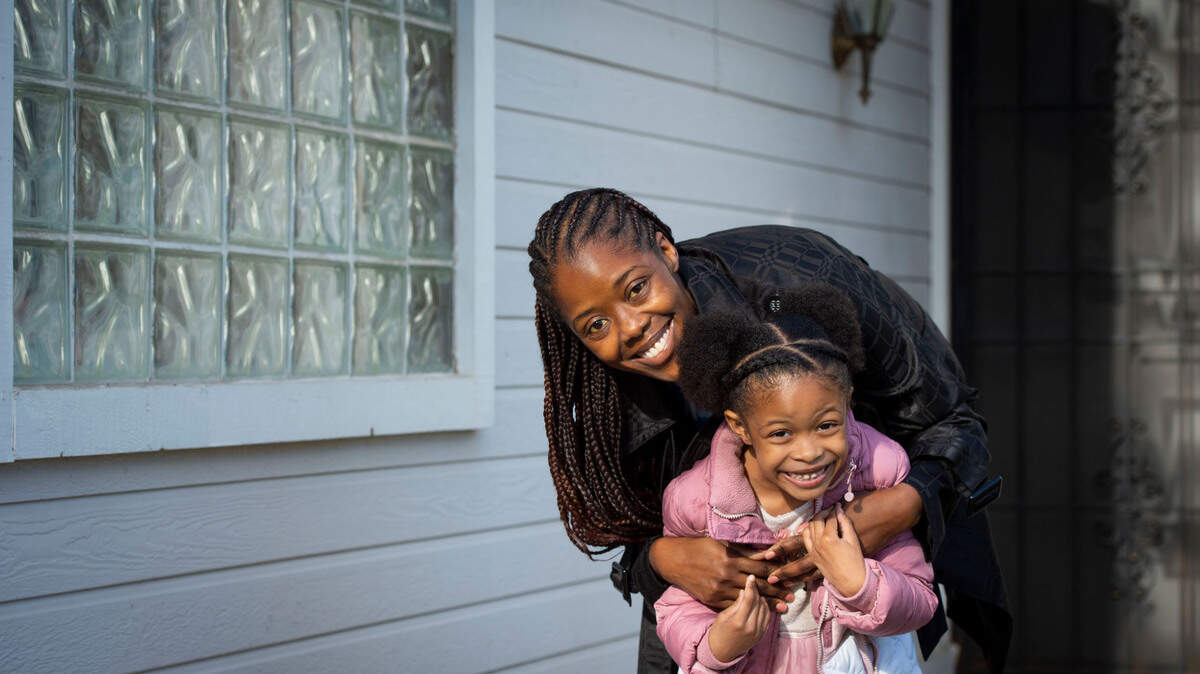
A ticking time bomb in your body.
That’s how Kamilah Bailey, 44, of Elk Grove describes living with sickle cell disease.
“You never know when you will need a blood transfusion to relieve excruciating pain and prevent organ failure or worse,” Bailey said. “You could be feeling great, could be active and having a great time, and then you start experiencing pain that comes on very abruptly without anything traumatic causing it.
“It can feel like your bones are breaking and your body is on fire.”
A blood transfusion from a donor with certain antigens in his or her blood is the only way to get relief. There is no cure for the disease.
Bailey said she supports the American Red Cross’s efforts to identify suitable blood donors. She is hoping that Book of Dreams readers will consider helping the agency achieve its goal of raising $7,700 to test Black donors for the special blood type needed to provide transfusions to patients.
Bailey has had plenty of ups and downs living with this genetically-passed chronic disease affecting African Americans.
Born in San Francisco to parents unaware they had the sickle cell gene, Bailey was diagnosed at 12 months old and struggled with pain and fatigue until she was 8. Then the condition appeared dormant.
“I think of it as a miracle that I didn’t have any more problems until my twenties. I went out of state and got my education at Grambling State University in Louisiana, only having mild symptoms in college,” she said.
After graduation, Bailey landed a job at a major shipping company in Texas, rising to manager of lease administration for all the company’s properties in the U.S. and Canada.
“That’s when I began to have more and more problems,” she said. “In 2006, my lung collapsed and that triggered a sickle cell episode which came back pretty furiously.”
By 2009, she had to have her gallbladder removed and after that, her lung collapsed again. This time she had to have surgery to adhere the lung to her chest wall.
A major sickle cell episode ended her career in 2011, an event etched in her memory.
“I felt like I couldn’t breathe but I finished my meeting and tried not to panic,” Bailey said. “I drove myself to the emergency room. July 11, 2011, became the last day of my professional career, unfortunately.
“It came on as a fury like a hurricane and forced me to have to re-learn how to handle stress, and how to manage self-care so I could function,” she said.
Red Cross officials say there are an estimated 300 people in the Sacramento area living with the anemic disease. Nationally, one in every 365 African American babies born in the United States are affected.
“When you look back only a decade ago, having sickle cell disease was almost a death sentence,” said Justin Mueller, biomed executive for Red Cross’s Northern California region. “A person might have had an opportunity to get just a few treatments in.”
Mueller said a match with the right antigens means an individual can sustain the transfusions.
“Some patients have said they would rather give birth day-in and day-out than go through the pain of sickle cell,” Mueller said. “For so many years, we focused on A, B, and O blood, and frankly it isn’t enough to match closely with sickle cell patients.”
Those blood cells in and of themselves can get rejected by the victim’s body. But A, B and O blood with C-, E- and K antigens found in predominantly Black donors work effectively.
Bailey said she has had a lot of blood transfusions. She is grateful for the Red Cross for their aggressive efforts to find suitable donors.
“Having healthy blood cells is a key element to keep the blood moving,” she explained.
Bailey said she likens it to being on Highway 99 during rush hour traffic.
“If you can imagine during the non-busy time — like 3 a.m. — you can get on 99 and go a normal rate of speed and get to your destination quickly. Well, the highways are like our veins. During (a sickle cell) rush hour, blood cells are shaped like half-moons and they crash into one another, impeding the flow and creating little traffic accidents. The blockage creates pain and causes us to go into crisis,” she said.
“I work hard to keep sickle cell in the back seat and the trunk as much as possible.”
For years, the California Gold Country Region of the American Red Cross has been documenting the ethnicity of its donors. More recently, they began performing supplementary blood tests of Black donors to see if they are good matches for sickle cell patients. Donors with the right type of blood are then invited back to give additional periodic donations for sickle cell patients’ transfusions.
The effort to raise money to do more tests is a part of a larger push to educate the community about sickle cell disease, encourage Black donors and address a more comprehensive need for increased blood donations throughout the region.
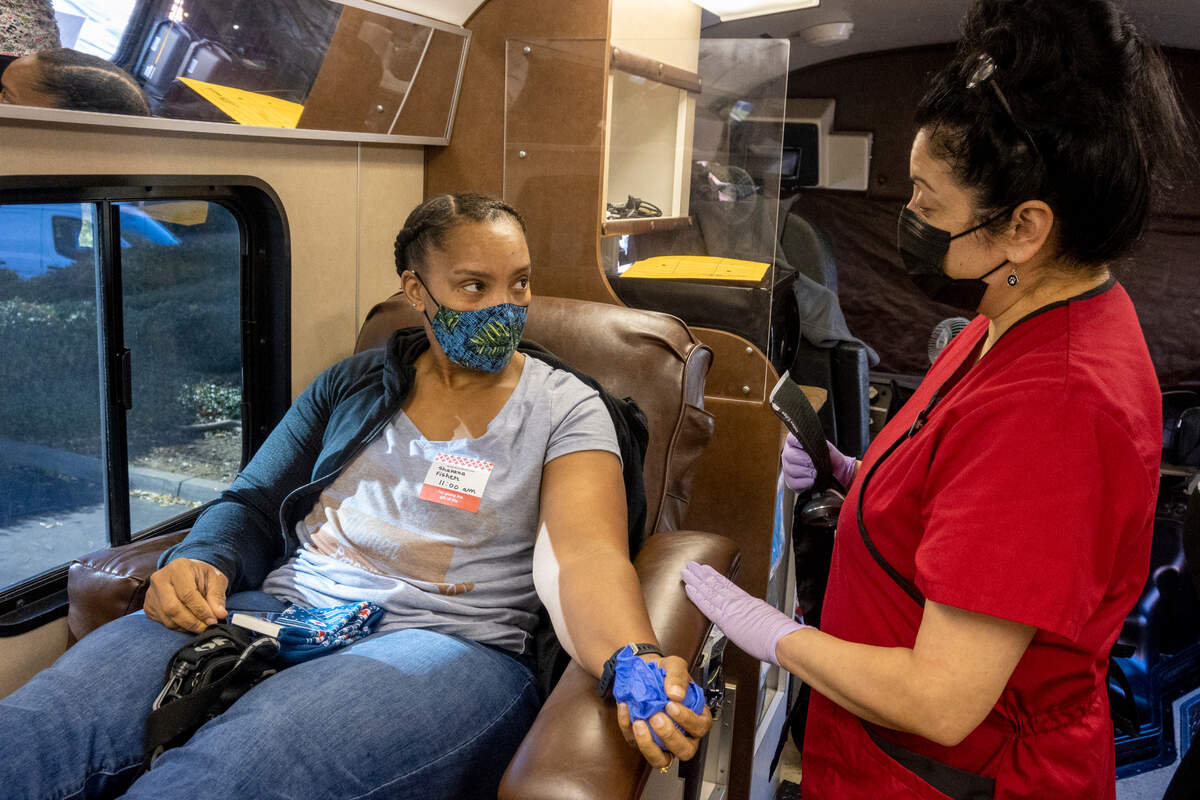
Gary Strong, chief executive officer of the Red Cross’s Capital Region Chapter, said at $77 per test, it gets quite expensive to do what is needed. With $7,700 possibly donated through the Book of Dreams, the Red Cross would be able to perform 100 tests. Every great match is like striking gold.
“I happen to be African American,” Strong said. “I always knew that sickle cell disease disproportionately affects our community. I work at the Red Cross and I didn’t have a full appreciation of it, so other folks in Northern California probably have no idea and don’t have that call to action because they don’t know.”
“Sharing that information is helpful as is work ongoing to identify trusted representatives in the community to help share the need.”
The Northern California branch of the Red Cross is the single-largest collector of blood in the region, generating 40% of the area’s blood supplies. Donations are collected through three blood collection centers — Sacramento, Stockton and Modesto — as well as mobile drives. Red Cross officials conceded that the pandemic has set back its blood collection rate. There is an annual need of 100,000 units of blood, and about 80,000 units have been collected in a year.
“We have our seasonal challenges too,” Strong said. “As we get into the holiday season people are traveling and taking themselves off the blood giving rolls; then flu season crops up and people become wary about donating blood. So the message is the need for blood is always there. We have emergency low levels with the holiday season upon us and we are asking folks to consider donating blood.”
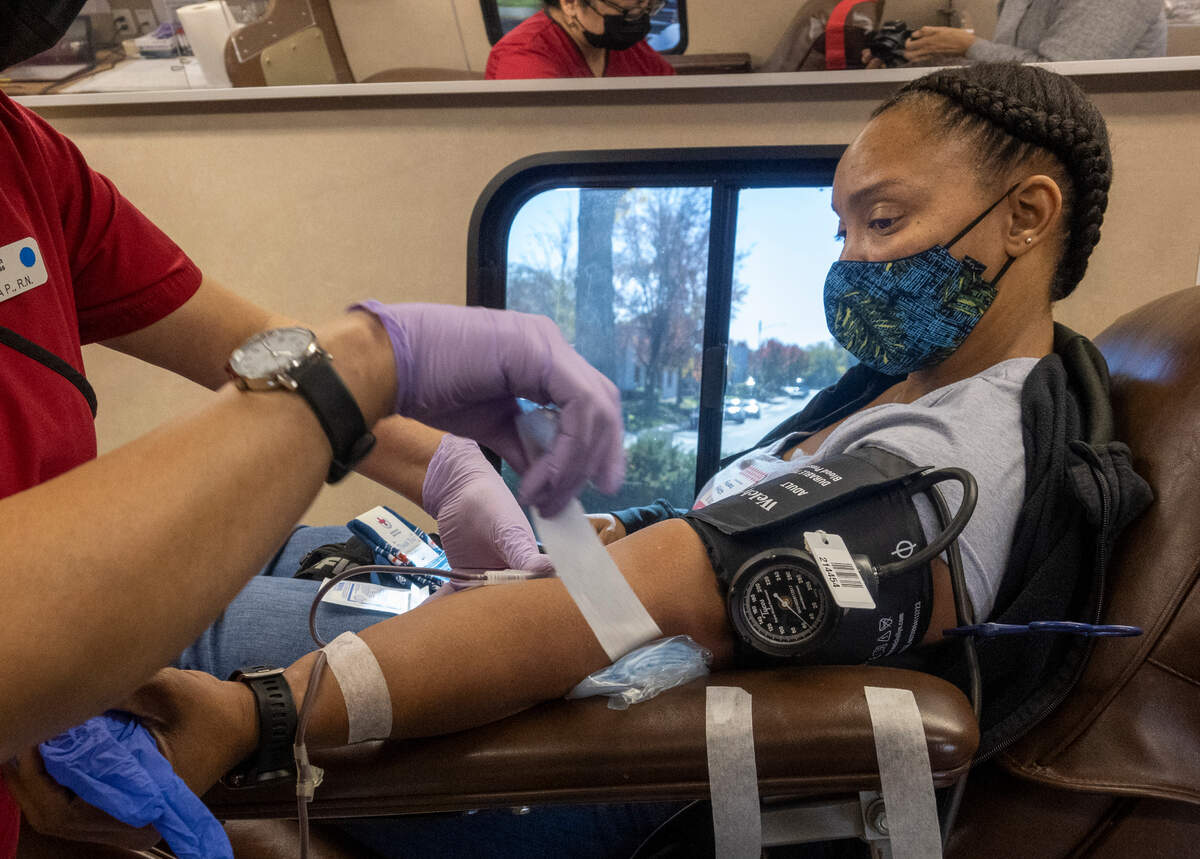
While Bailey experiences pain and fatigue every day, she says she has found meaning and purpose in advocating for sickle cell patients.
“I contribute my experience and ideas to two organizations in California — the Pacific Sickle Cell Regional Collaborative and the Sickle Cell Disease Implementation Consortium. They allow me a seat at the table to improve the treatment and care of those who have this,” Bailey said.
“I give my ideas to all the medical professionals who work in this field, from administrators, doctors, to nurses and scientists. It has been educational and a wonderful opportunity to contribute.”
To donate blood, go to redcrossblood.org.
How you can help
For more than three decades, The Bee has asked readers to provide a gentle lift to Sacramento organizations helping the needy during the holiday season. Last year, more than $200,000 was raised to help 32 community organizations. To help in this year’s Book of Dreams campaign, you can make a donation at: sacbee.com/bookofdreams