
Documentary to shed light on escaping Sacramento’s human trafficking, ‘an incredibly dark world’
Laura, 45, has a painful personal story to tell. It’s dark, but important, she knows. It’s the story of human sex trafficking on the streets of Sacramento.
Until recently, Laura was mired in that world. At her request, The Bee is not publishing her last name. Sexually and physically abused as a child, she escaped home at 13, only to become a drug-addicted mom at age 14. Coerced later by an abusive man whom she thought she loved, she ended up, as she puts it, “selling my body.”
“We needed money to stay in hotels,” Laura said. “I didn’t want to do it. He was beating me because I wasn’t making the money that he wanted or needed. He got some younger girls, and I just left.”
A few months ago, desperate, she showed up early one morning at the Sacramento Regional Family Justice Center, a non-profit community agency she had heard about from a friend. The center was founded a decade ago by former District Attorney Jan Scully to advocate for people in abusive relationships.
Thanks to Laura’s resolve and the center’s helping hands, Laura today is safe, away from her abuser, and mentally healthier than she has been for decades.
Now comes an important next step, for her and for the center.
Laura will share her story in a documentary, produced by the Family Justice Center, about the harsh reality of human trafficking in Sacramento — a sore hidden in plain sight on city and county streets — and the need for more public assistance to tackle the problem.
“It’s my duty,” Laura said. “I’m nervous about doing it, but I hope it reaches the people who can help. We’ve got to make a change.”
Family Justice Center Chief Executive Officer Cristin Fiorelli said the film will show the lengths the center’s team and its community partners go to help human trafficking victims. Fiorelli said the center plans to show the documentary publicly at a local theater in January, which is National Human Trafficking Prevention Month, and include a post-showing discussion about the issue.
The Family Justice Center has cobbled together some financing for the project, but doesn’t have complete funding. The center is asking for $2,500 in donations via The Bee’s Book of Dreams holiday season effort to make the documentary a reality.
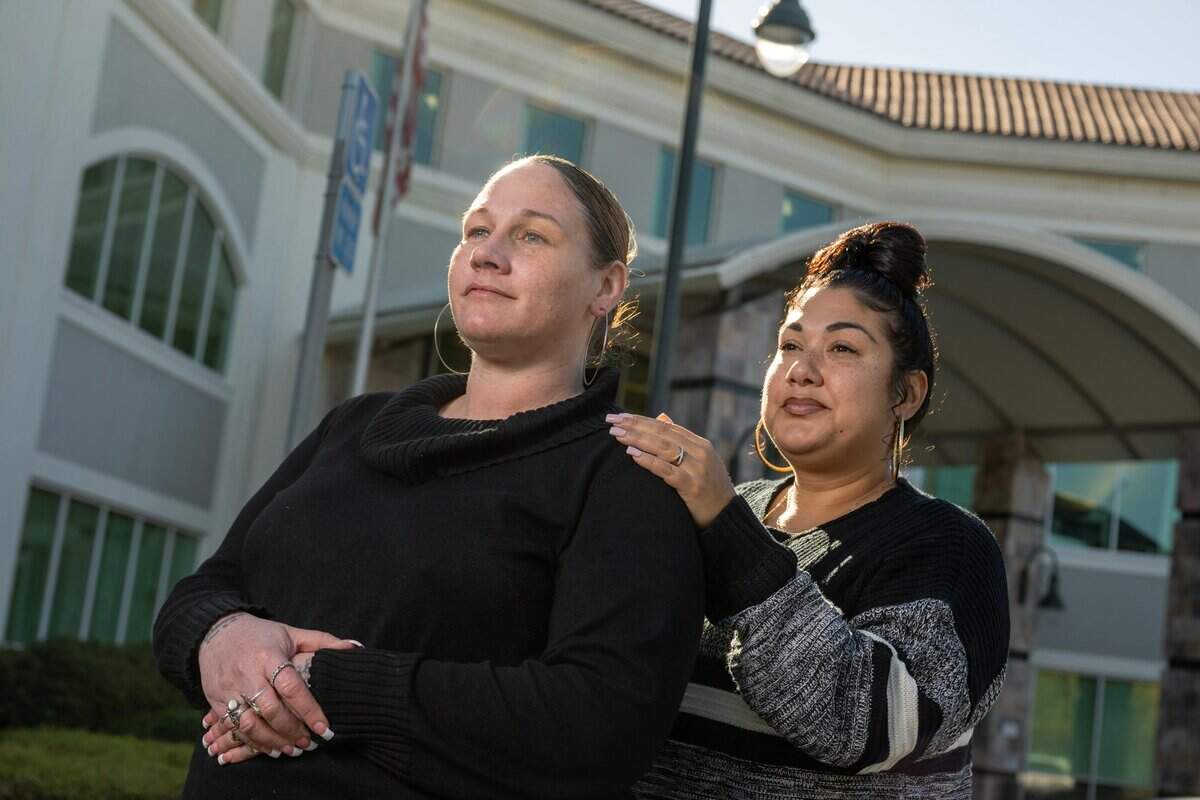
Documentary to be produced by Cristina Mendonsa
Center officials said the documentary will serve an educational role and perhaps prompt more people and organizations to help the center ramp up its assistance for human trafficking victims.
In its application to the Book of Dreams, the center wrote: “Bringing education and awareness to the broader Sacramento community is a critical part of gaining further support and resources for victims. We have received a set amount of funding to put toward this project, but it does not fully cover the cost of development, production, and editing.”
The documentary will be produced by Cristina Mendonsa, a veteran Sacramento television and radio journalist, now head of Mendonsa Media.
The Family Justice Center’s director of development, Daniel Iritani, said human trafficking is entrenched in Sacramento, but little understood, even by local social service providers. The center has been overwhelmed by 1,300 phone calls for help from women and their families since it launched its human trafficking program 18 months ago.
Sacramento’s sex trade
Each day, hundreds of women in Sacramento find themselves working what the sex trade calls the “the blade” or “the track” — general names for streets where prostitution thrives, typically busy commute corridors and streets near freeway exits.
Many Sacramentans drive those same streets to and from home, work and stores without realizing what is occurring around them. “Even though Sacramento is a hub for human trafficking,” Iritani said, “the general public doesn’t understand the nature and gravity of it, and the significant amount of work that is required to exit the life.”
In many cases, the women are stuck. Their abusers often take their identification, their phones and their money. Some of the women are on drugs, making escape harder. The longer they spend on the streets, Iritani said, the more likely they will die on the streets.
“It is time we bring this out and shine some light onto it,” Iritani said. “Human trafficking is an incredibly dark world. A tremendous amount of help and tenacity is required by our staff, our partners and by victims to get out. There are far more barriers than there are doors.”
The Family Justice Center effort includes coordinating with attorneys and paralegals who volunteer their services, as well as law enforcement agencies, adult protective services, healthcare providers, mental health and drug treatment centers, low-income housing providers and others.
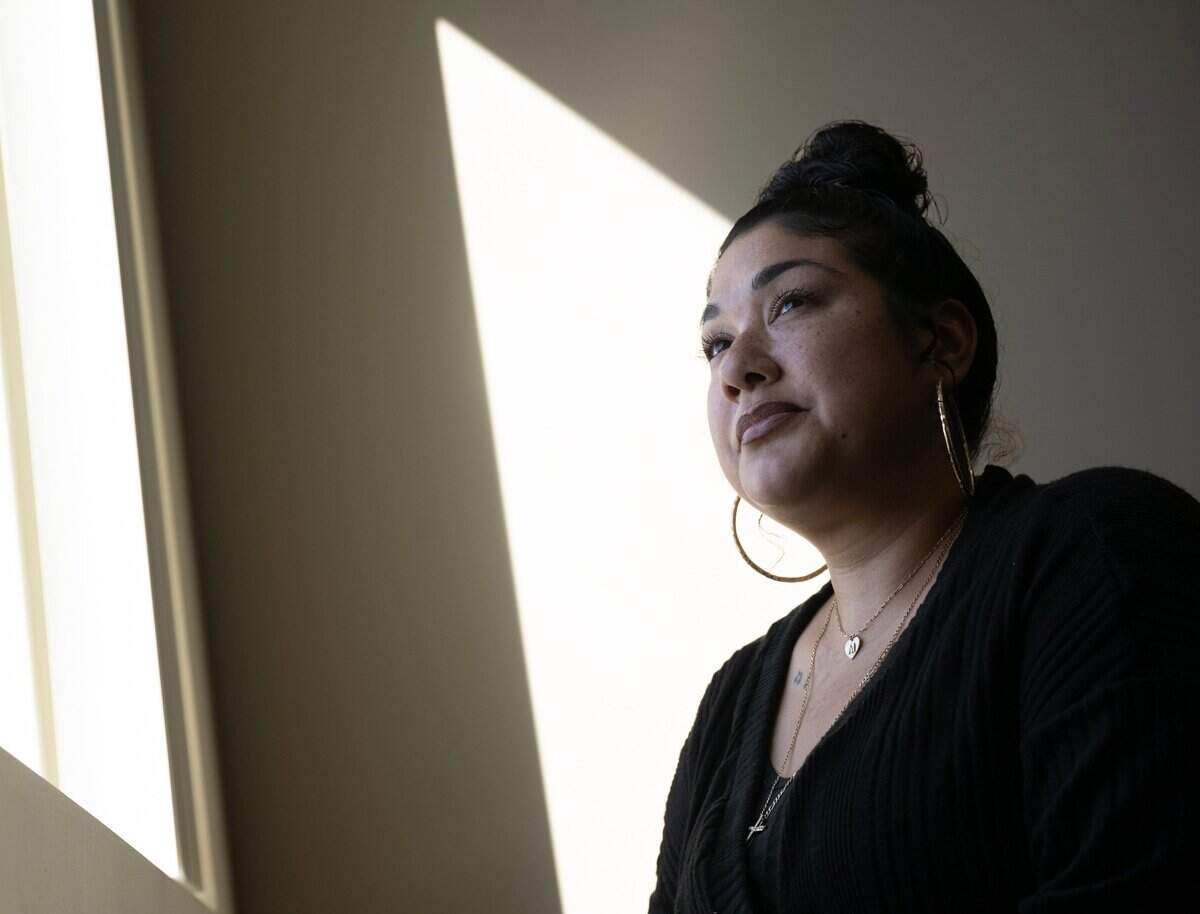
‘Her light has come back on’
In Laura’s case, her lead advocate at the Family Justice Center is someone who understands very well what Laura has been through. Michelle Vasquez, the center’s anti-trafficking coordinator, has been where her clients now are. She calls herself an “overcomer.” It’s her mission now to assist other women.
“I feel fortunate to be able to help women now,” Vasquez said. “I never tell a client what to do, but I do know how to guide them. I tell them we are not here to judge you. We meet our clients where they are at (emotionally), whether or not they are ready to get off the street. If they aren’t ready, we help them plant a seed.”
The documentary will show how the center does its work, and will highlight Laura’s and Vasquez’s journey together this year. Their relationship started when Laura showed up at the Family Justice Center one morning before the doors opened, exhausted physically and emotionally.
“I was at the end of my rope. I couldn’t take the abuse any more,” Laura said. “My girlfriend told me to just go to the center and tell them my situation. I was terrified, not knowing what was going to happen. I was crying. But anything is better than what I was going through. I was tired of being told I was not worthy, I’d never be worthy.”
Her life changed, starting that morning.
“They had open arms,” Laura said. “They told me I don’t have to go back to my abuser. Michelle took me to get some clothes. They took me to a safe place. They make you feel you are a human being, and you don’t deserve to get beat up and you don’t have to sell your body.”
The Family Justice Center helped Laura get access to medical care and helped her qualify for permanent low-income housing.
People coming in off the streets often need help on the very basics of life, Iritani said. Some need help just getting official government identification again. Vasquez and others at the center will take them to the DMV, to the Social Security office, to doctors appointments, buy some clothes and even help them do laundry.
Vasquez credits Laura with having the courage and will to change her life. Although the Family Justice Center guides, supports and sometimes offers limited financial assistance, it is up to the person to want to make the change and to follow through, Vasquez said.
“Laura is just an amazing lady,” Vaquez said. “She came here with nothing. Her light has come back on. She is shining. Her spirit is back. She wants to give back. I am just super, super proud of her.”
Laura calls the last few months “an extraordinary adventure.” She credits the center with showing her the light.
“If not for the center, who knows where I’d be right now,” she said. “Every day is a new day. I keep trying to do the next right thing. I am trying to step up and be the woman that I am supposed to be. It is never too late. It is never too late.”
Book of Dreams
The request: Funds for a documentary produced by the Family Justice Center on human trafficking in Sacramento.
The cost: $2,500
This story was originally published December 1, 2024 at 5:00 AM.