Worth the cost or just extra baggage? What you should know about travel insurance
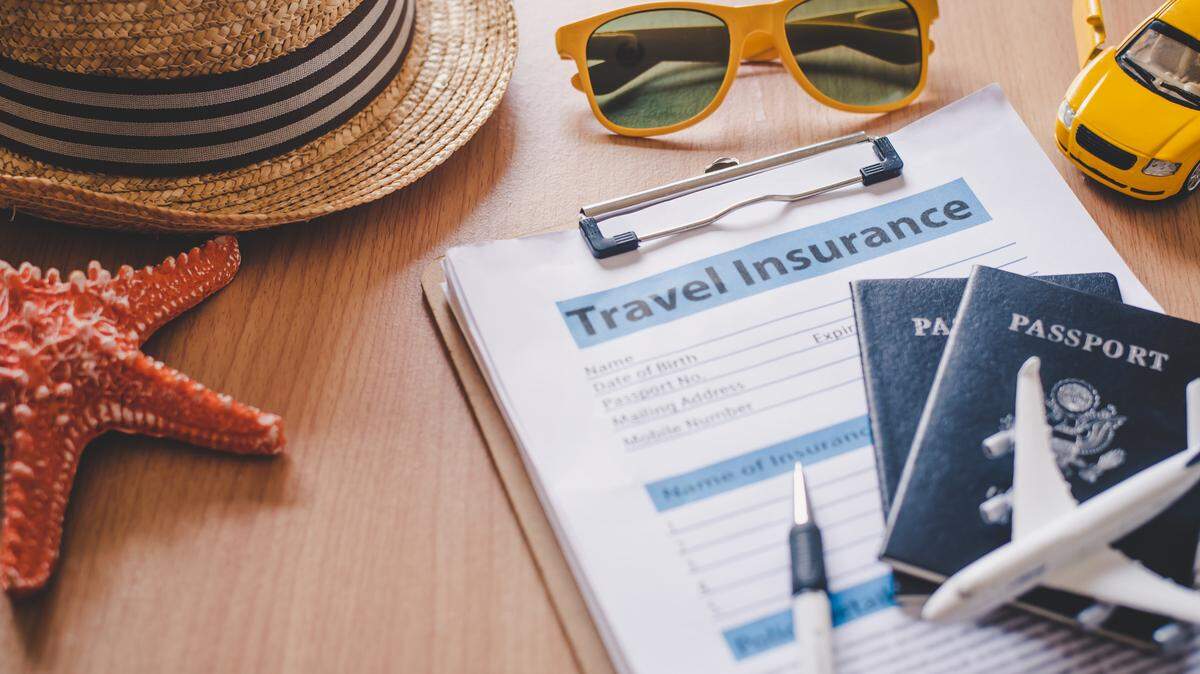
Booking a trip is a significant investment — you’re putting in not just money but also lots of time and brain power. Like anything else important in life, you want to know your investment is secure and protected. But how can you be sure?
From covering unexpected cancellations to medical emergencies and lost luggage, travel insurance can provide peace of mind to anyone who finds themselves in unpredictable situations. According to Carol Mueller from Berkshire Hathaway Travel Protection, “As the cost of a vacation rises, so does the need for coverage.”
But with so many options and different types of travel insurance available, how can travelers decide what’s necessary? That’s why we’ve put together this guide to understanding travel insurance and what it covers, so you can make an informed decision on whether it’s right for you.
What Exactly Is Travel Insurance?
We hear tons about health insurance and car insurance, but less about travel insurance. Simply put, travel insurance is a safety net that covers a range of unexpected events that could disrupt your trip.
This can include cancellations, medical emergencies, lost or delayed baggage and natural disasters — essentially, things that are out of your control. According to Sarah Roman from World Nomads, travel insurance generally provides coverage across three main areas: your trip investment, your health and your belongings.
Key Coverage Areas
While each policy varies, most travel insurance plans cover some or all of the following:
Trip Cancellation and Interruption
Trip cancellation or interruption coverage is one of the primary reasons people purchase travel insurance. If an unexpected event, like an illness, injury or natural disaster, forces you to cancel or cut your trip short, travel insurance can help reimburse non-refundable expenses.
Jenna Hummer from Squaremouth, a travel insurance marketplace, explains that this type of coverage can save travelers from unfairly shouldering the full financial brunt of a canceled trip.
In cases of severe weather, this coverage is particularly valuable. Matthew Cappucci, a senior meteorologist and frequent traveler, points out that “if you’re traveling to areas prone to hurricanes during this year’s active hurricane season, invest in a travel insurance plan with extensive trip cancellation, trip interruption and trip delay coverage.”
Medical Emergencies and Evacuation
Coverage for medical expenses and emergency evacuation is also a smart move, especially for international travel where your health insurance may not apply. Mueller notes that there are different plans that cater to specific travel styles. For instance, the BHTP’s ExactCare policy provides comprehensive coverage for family travel or trips planned during hurricane season.
As David Yeskel, a freelance travel journalist, advises, “Medical evacuation coverage is critical,” especially if you’re in a remote area and need a costly airlift to the nearest modern medical facility.
Baggage Loss or Delay
Lost or delayed luggage can be a major disruption to any trip. With travel insurance, travelers can recover the costs of essential items and other replacement expenses. For frequent travelers, policies like World Nomads’ Standard and Explorer plans even cover more than 250 types of activities, making them perfect for adventure seekers who travel with valuable equipment.
Travel Delay and Missed Connections
If you’ve traveled before, it’s likely you’ve experienced travel delays or missed connections. Many travel insurance policies will cover costs like meals, accommodation, and alternative transportation if you need it. This benefit is especially useful during peak travel seasons when delays are common.
With record TSA traveler numbers this year, Cappucci adds that travel insurance can be priceless, as “the issue is often a lack of capacity to accommodate canceled flights.” Insurance is a safety net to cover out-of-pocket costs and secure alternative travel arrangements.
Extra Perks
Most travel insurance providers offer 24/7 travel assistance services. From helping locate medical care to coordinating emergency evacuations, these services can be irreplaceable if you run into trouble while abroad.
Types of Travel Insurance Policies
Mueller emphasizes that there is no “one-size-fits-all” approach to travel insurance. BHTP, for instance, has policies like WaveCare for cruising, AdrenalineCare for adventure travel and LuxuryCare for high-cost trips. For more routine trips, you can choose a flexible policy that offers general protection that works for most travel scenarios.
World Nomads’ Sarah Roman echoes this sentiment, adding that travelers should consider their trip’s unique aspects. A camping weekend will have different needs than a luxury European vacation, for example, and travelers should ensure that their chosen policy aligns with planned activities.
When You Might Need Travel Insurance
While travel insurance is helpful for many, it’s especially recommended in certain cases:
International Travel: Health insurance often doesn’t cover medical care abroad. “Most regular health insurance does not cover the loss of baggage or trip delays,” says Joe Cronin, a travel insurance expert, noting that international travelers should consider coverage to avoid potentially high medical bills.
Costly Trips: High-investment trips often mean higher cancellation or change fees. As Melissa Beers points out, a typical travel insurance policy costs about 10% of the trip cost, but it could save you from forfeiting your entire vacation budget in case of unexpected changes.
Trips Involving Riskier Activities: Adventure activities like skiing, diving, or hiking may require specific coverage for injuries or evacuation. “Some plans have exclusions for high-risk activities,” Roman notes, advising travelers to review what’s covered based on their trip plans.
When You Might Skip It
While beneficial, travel insurance may not be necessary for every trip. Some cases where you might consider skipping it include:
Domestic Travel: If you’re traveling within your home country, the risks may be lower and your health insurance will likely cover you.
Short, Inexpensive Trips: For a quick weekend trip that didn’t require a significant investment, insurance may not make financial sense.
Existing Coverage from Credit Cards or Health Insurance: Some credit cards and health insurance plans offer limited travel protections. It’s worth reviewing what coverage you already have to avoid purchasing duplicate benefits.
How to Choose the Right Travel Insurance
If you’ve decided that travel insurance is right for you, take the time to compare policies and providers. Most companies outline their plan details online, making it easy to shop around for the best fit. “Purchasing coverage a few months before your trip gives you more options and better protection,” advises Mueller. Buying early not only protects you against pre-trip disruptions but can also expand your choices for coverage.
Real-Life Travel Insurance Experience
For those unsure about the value of travel insurance, Roman shared a personal story that highlights its importance. She recounts a motorbike accident in Thailand where her travel insurance allowed her to access a high-quality hospital. “My life, and my face, could have looked very different,” she reflects, underscoring how travel insurance can provide critical support when it’s needed most.
No matter what type of trip you’re embarking on, travel insurance can provide peace of mind by covering a range of unexpected scenarios. As Cronin reminds us, “Travel insurance can certainly be well worth the investment if you consider the peace of mind and the protection you get out of it.”
Ultimately, travel insurance helps your journey go as smoothly as possible, even if things don’t go according to plan.
This story was originally published November 14, 2024 at 12:24 PM.