Shoulder season secrets: Prime spots to travel in the U.S. right now
AI-generated summary reviewed by our newsroom.
- Shoulder season travel offers lower costs, lighter crowds and vibrant scenery.
- Destinations like Asheville, Tucson and Santa Barbara shine in off-peak months.
- Spring and fall bring festivals, wildlife and weather ideal for authentic travel.
When the summer crowds disperse but the winter chill has yet to set in, America’s shoulder seasons reveal a quieter, more rewarding side of travel. Spring and fall are those in-between months when flights cost less, hotel rates ease and the scenery often feels its most vibrant. For travelers willing to adjust their calendars, shoulder season delivers the sweet spot — great weather, fewer people and experiences that feel more personal.
Here are some of the best destinations across the country where timing your off-peak trip pays off.
Asheville, North Carolina: Fall foliage without the rush
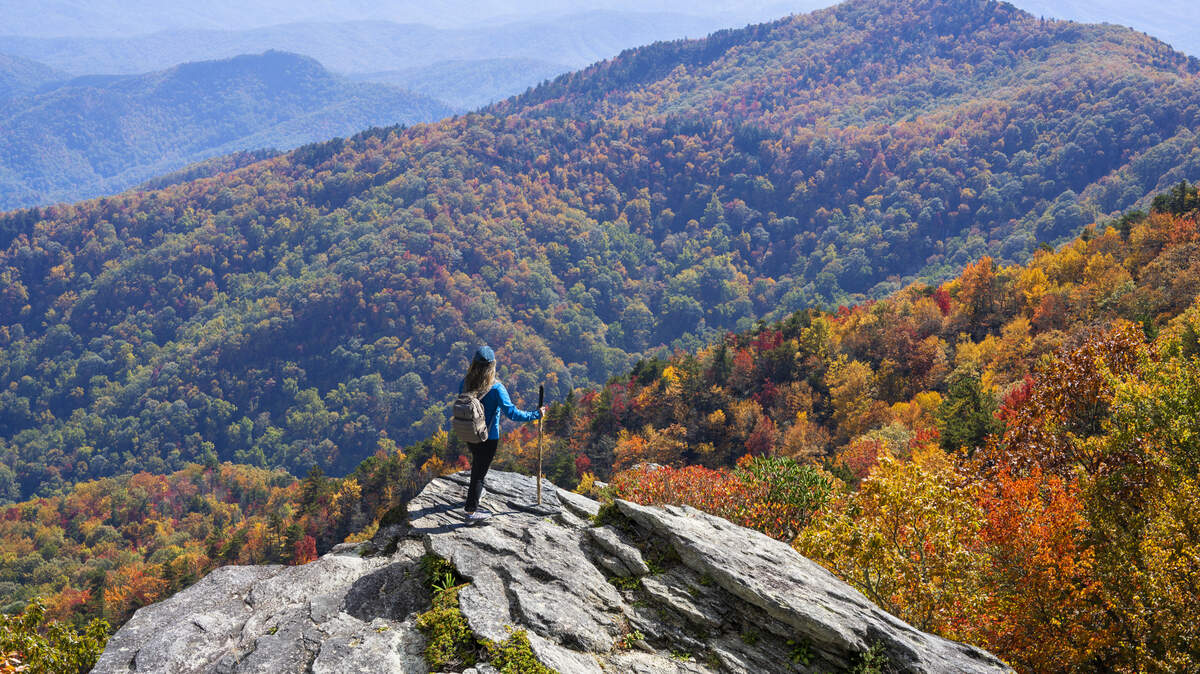
Nestled in the Blue Ridge Mountains, Asheville becomes a painter’s palette in October. The region is famous for its fiery reds and golds that sweep across the ridgelines, yet fall’s shoulder season keeps crowds lighter than in the peak of summer. Hike along the Blue Ridge Parkway, sip cider at a local orchard or explore the River Arts District with its galleries and breweries. Airfare and hotel rates also dip compared to high summer, making it one of the country’s most affordable foliage escapes.
Tucson, Arizona: Desert blooms and stargazing
If you visit Tucson in the shoulder months — March through April and late October — you avoid the blazing desert heat. Spring brings wildflower blooms across Saguaro National Park, while fall nights open up crisp, star-filled skies. The city’s UNESCO-recognized food scene, shaped by Indigenous and Mexican influences, also shines. For an authentic taste of the desert, join a guided hike to learn about cactus fruit harvesting or book a night at a ranch just outside town.
Newport, Rhode Island: Coastal charm after summer
Newport’s cobblestone streets and historic mansions are magnets in July and August. Come in late September, though, and the crowds thin while the ocean still holds its warmth. You can stroll the Cliff Walk in peace, bike through coastal backroads and enjoy raw oysters on the waterfront without waiting in line. Autumn also brings food and wine festivals, giving this classic New England destination a lively yet manageable energy.
Santa Barbara, California: Golden light on the coast
Known as the “American Riviera,” Santa Barbara shines brightest in the fall shoulder season. The Pacific fog lifts more often in September and October, leaving golden sunsets and warm afternoons perfect for wine tasting in the nearby Santa Ynez Valley. Hotel rates typically dip compared to midsummer, and the beaches feel roomier. It is also prime time for whale-watching trips, as humpbacks and blue whales migrate offshore.
Gulf Shores, Alabama: A softer side of the Gulf
By mid-September, the Gulf Coast heat eases while the water stays invitingly warm. Gulf Shores transforms from a family-packed summer spot into a relaxed beach town where you can watch dolphins, kayak the back bays and linger over Gulf shrimp at seaside shacks. Fall festivals — like the National Shrimp Festival — add a local flair that you miss in high season. Lodging prices also fall, stretching your budget further.
Madison, Wisconsin: Culture and color
Set between two lakes, Madison bursts with character during its shoulder seasons. In late spring, the city hums with farmers’ markets, craft beer events and bike rides along blooming lakefront paths. In fall, the University of Wisconsin brings energy back to town and crimson leaves blanket the lakeshores. Crowds never reach the levels of larger Midwestern hubs, so you can experience both natural beauty and cultural life at an unhurried pace.
Anchorage, Alaska: The quiet edge of adventure
Alaska in midsummer can feel crowded with cruise ship traffic. Plan your trip for May or late September and Anchorage slows down while keeping its wild character. Trails remain accessible, wildlife is still active and early snow dusts the surrounding Chugach Mountains. Prices for flights and tours drop as well. You might catch the northern lights on a clear autumn night, a bonus for those willing to brave slightly cooler evenings.
Orlando, Florida: Theme Parks without the lines
Central Florida in March or late September is a different world from its sweltering summers. Crowds at Walt Disney World and Universal thin noticeably, lines shorten and the weather is far more forgiving. Shoulder season often coincides with limited-time festivals, like EPCOT’s International Food & Wine Festival in the fall. Travelers who want to experience the parks at a slower pace will find this window especially rewarding.
Why shoulder season works
Traveling in the margins brings advantages beyond cost savings. Flights and hotels can be up to 30% cheaper than in peak months, but the real value lies in atmosphere. You won’t find yourself jostling for the best views or waiting an hour for a table at a restaurant. Plus, seasonal highlights —spring wildflowers, fall foliage migrating wildlife — often peak during shoulder seasons, giving you front-row access to nature’s best shows.
Planning smart
Shoulder seasons vary depending on the region. In New England, think April to early June or late September into November. Along the Gulf Coast, mid-September to early November delivers warm water with fewer visitors. In the desert Southwest, March and October are golden months. Booking flights a month or two ahead often secures the best rates, but staying flexible — shifting your trip by even a week — can make the difference between battling crowds and having the place to yourself.