Where Should You Solo Travel Internationally in 2026? The 5 Best Countries, Ranked
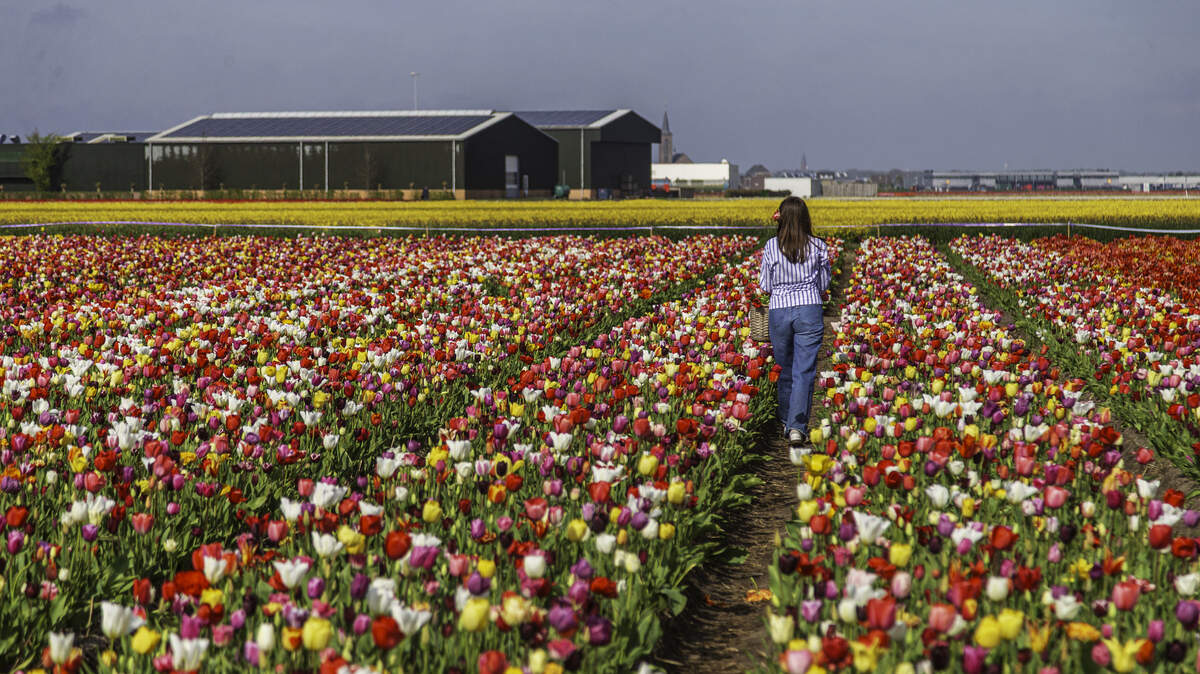
Solo travel isn’t just trending — it’s becoming the default for a growing number of travelers who want to move at their own pace. But if you’re already thinking about where to go this year, you’re ahead of many. The smartest solo travelers don’t just pick a destination that looks good on social media. They optimize for three things: safety, ease and fun.
Here’s the shortlist worth bookmarking now.
The Rankings: Safety First
According to Berkshire Hathaway Travel Protection’s annual list, the top five safest countries to travel to in 2026, in order, are the Netherlands, Australia, Austria, Iceland and Canada.
The ranking isn’t based on gut feeling. It’s determined by results from a survey of travelers combined with “the Global Peace Index, data from Numbeo, and an average of the GeoSure Global scores of the major cities in each country.”
All five countries also appeared on Travel + Leisure’s recent list of the “Best 25 International Destinations for Solo Travel Adventures,” alongside popular spots including Thailand, Albania and Costa Rica.
That kind of overlap across two major rankings signals these aren’t flukes. These are consistent performers.
What Makes Each Destination Worth It
If you’re optimizing for outdoor adventure, Iceland deserves top consideration. Travel + Leisure describes the country as “a haven for travelers who love the outdoors, with caves to explore, volcanoes and glaciers to hike, and geothermal spas to soak in.”
If you care about cultural immersion, Austria delivers. Think opera, art museums and coffeehouse culture — a deeply rich solo experience for anyone drawn to that pace.
The Netherlands is a standout for springtime tulips, world-class attractions like the Van Gogh Museum and a bike-centric infrastructure that makes independent exploration effortless. Bikes dominate the streets, which means getting around on your own feels intuitive, not intimidating.
Canada offers range — national parks, waterfronts, Niagara Falls and trendy urban neighborhoods in Toronto. It’s a destination that flexes between nature and city energy depending on what you need.
Australia rounds out the list with white sand beaches, surfing, art, sports and food — a combination that makes it hard to run out of things to do, even on a longer trip.
The Ease Factor Most Travelers Overlook
Here’s the underrated variable that separates a smooth solo trip from a stressful one: language barrier. When you’re navigating a new country alone, being able to ask for directions, get help or simply strike up a conversation with locals changes everything.
All five countries score well here, and that’s not a coincidence.
Canada’s two official languages are English and French. Australia has no official language, but English is the de facto primary language used for government, education and media. In Iceland, English is taught as a second language in schools early on, so nearly every Icelander speaks it fluently.
The Netherlands might surprise you most. While Dutch is the primary language, over 85% of the population speaks English according to 2024 data. That’s a remarkably high threshold for a country that’s not primarily English-speaking.
Austria requires slightly more flexibility. The official language is German, and only about 37% of the population speaks English in the country as a whole. However, the percentage is much higher in major cities like Vienna and with younger citizens, so most major tourist areas shouldn’t lead to language issues. When in doubt, seek out a young adult for directions or advice: over 61% of those ages 15 to 34 speak English, per the same data.
The Takeaway for 2026 Planning
If you’re already mapping out next year’s solo trip, these five countries give you a rare combination: independently verified safety data, rich solo-friendly experiences and minimal language friction. That’s a framework worth saving — and acting on before peak booking season.
This article was created by content specialists using various tools, including AI.