The Deepest U.S. Lake and Most Glaciated Peak Are Both in the Pacific Northwest
The Pacific Northwest is packed with landmarks that defy expectations. A lake so deep it has no rival in the country. A volcano that lost 1,300 feet of its summit in a single day. A waterfall that draws more than 2 million visitors a year. Here are seven sites where geology, history and sheer scale deliver something worth sharing.
A Volcano Wearing More Ice Than Any Other
Mount Rainier National Park in Washington is home to the highest peak in the Cascades — and the most glaciated peak in the contiguous U.S.A. This glacier-capped stratovolcano is surrounded by wildflower meadows and offers hiking, camping and backcountry skiing.
A Lake Born From Catastrophic Collapse
Crater Lake National Park in Oregon holds the deepest lake in the U.S. — and its origin story is the kind of detail that sticks with you. The lake formed 7,700 years ago, when a violent eruption triggered the collapse of a tall peak. What remains is a caldera filled with incredibly stunning blue water, fed only by rain and snowmelt. Visitors can go camping, stargazing, fishing, hiking and bird watching, or get details and explanations from a Park Ranger by taking a boat or trolley tour.
A Summit That Lost Its Top
Mount St. Helens in Washington is an active volcano with a cratered landscape — the site of the famous 1980 eruption. Due to the eruption, the upper 1,300 feet of the summit was removed by a huge debris avalanche. It left a large horseshoe-shaped crater now partially filled by a lava dome and a glacier. Today you can hike various trails or go kayaking, canoeing or trout fishing on the Coldwater Lake. The scale of the destruction, still visible in the terrain, makes it one of the most dramatic geological classrooms on Earth.
A 620-Foot Waterfall With a 2-Million-Person Fan Club
Multnomah Falls in Oregon stands 620 feet tall, making it Oregon’s tallest waterfall. It’s also the most-visited natural recreation site in the Pacific Northwest, drawing more than 2 million annual visitors. For a closer look, try the out-and-back hike to the overlook atop the upper falls — 2.4 miles total with 800 feet of elevation gain.
A Tower Built for a World’s Fair
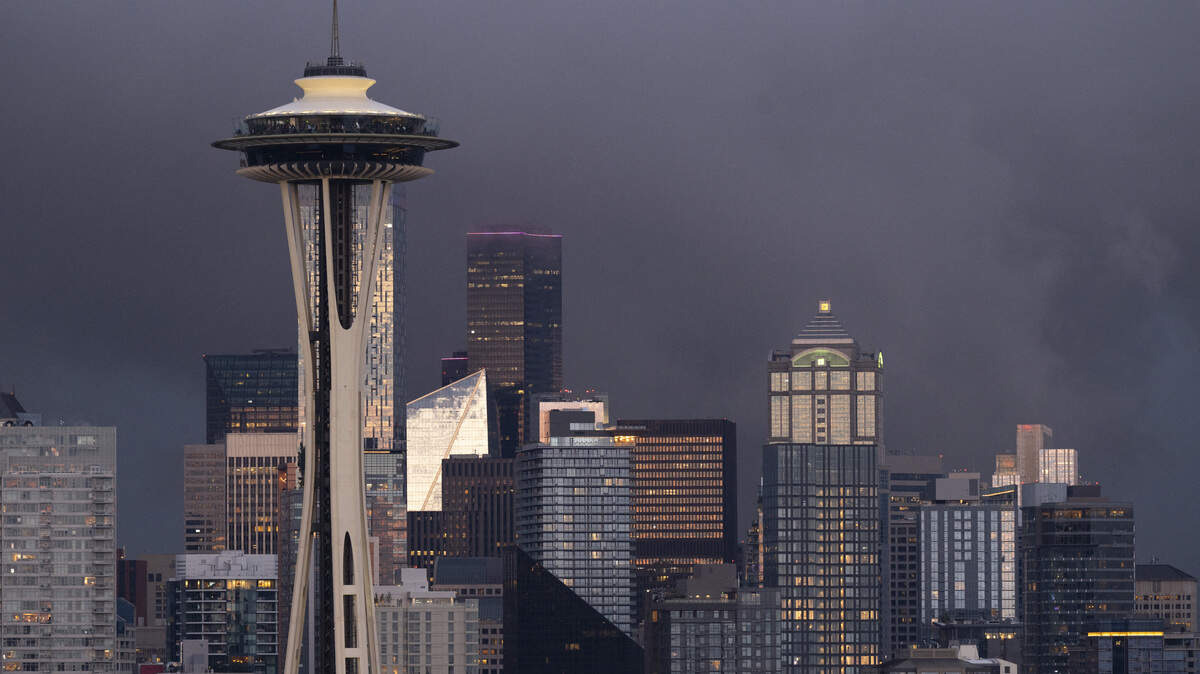
The Space Needle in Seattle, Washington, is easily the most recognizable symbol of the city, standing 605 feet above it. Built for the 1962 World’s Fair, it offers 360-degree views of the city, Puget Sound and the surrounding mountains from the observation deck and rotating bar. Visitors can reserve tickets in advance for general admission, a VIP package or a combo ticket with other attractions in the city.
A Market Older Than Most Stadiums
Pike Place Market in Seattle, Washington, is a public farmers market operating since 1907. It is home to the original Starbucks location and also known for its fish-throwing vendors and delicious local food. The market also contains restaurants, retail shops and crafts markets.
A Museum Dedicated Entirely to Potatoes
The Idaho Potato Museum in Blackfoot, Idaho, features exhibits on the history and cultivation of potatoes. Located in the old Oregon Short Line Railroad Depot, it includes a café and gift shop for potato treats — proof that even the humblest crop can earn its own institution.
The Pacific Northwest rewards those who look closer. Every landmark here carries a story shaped by eruptions, glaciers, time or sheer human ambition — and each one leaves you with a fact worth passing along.
This article was created by content specialists using various tools, including AI.