A Jane Austen Lover’s Guide to England: 6 Literary Pilgrimage Sites From Chawton to Bath
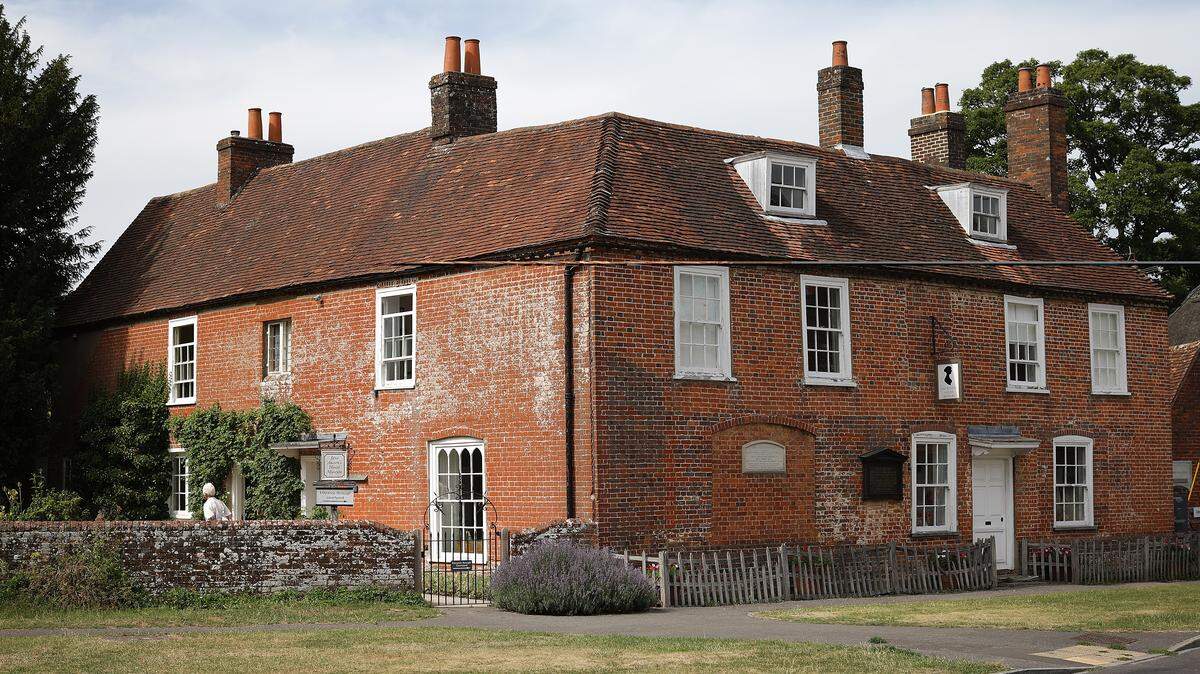
For readers who plan vacations around the books they love, few itineraries reward the effort like a Jane Austen tour of England. Austen completed six novels in her lifetime — among them “Pride and Prejudice,” “Persuasion” and “Northanger Abbey” — before her death in 1817 at age 41. More than two centuries later, her work continues to draw devoted readers to the houses, drawing rooms and country lanes that shaped her imagination.
If a literary pilgrimage is on your bucket list, these six destinations belong on the itinerary.
1. Jane Austen’s House, Chawton
The cottage in the Hampshire village of Chawton is the heart of any Austen tour. She lived here from 1809 until 1817, in a home provided by her wealthy brother Edward Knight after their father’s death. It was within these walls that Austen wrote, revised and published her major novels — the quiet productivity of a writer finally settled.
Today the cottage is a museum, with exhibits devoted to Austen and her family, including her letters, family portraits and first-edition volumes. The most affecting object on display is also the smallest: the modest writing table where she worked, tucked into a sitting room that still feels lived-in. For many visitors, standing beside that table is the moment the trip becomes real.
Plan ahead at the Jane Austen’s House official site, and budget time to walk the surrounding lanes.
2. The Jane Austen Trail Between Chawton and Alton
A short walk from the cottage, the Jane Austen Trail traces the routes Austen herself took between Chawton and the nearby town of Alton. The trail is gentle, well-marked and rich with the kind of pastoral scenery she described so precisely. For readers who have always wanted to step inside an Austen landscape, this is the closest you can get.
Wear comfortable shoes, bring water and let yourself dawdle.
3. Chawton House
Often confused with Jane Austen’s House, Chawton House is a separate property — and worth a visit on its own merits. This was the manor home of Edward Knight, who had been adopted by distant relatives Thomas and Catherine Knight and made their heir. The estate dates to the 1580s, when the Knight family built it. Jane, her mother and her sister visited frequently from the cottage, which was only a short walk away.
If Jane Austen’s House shows where she wrote, Chawton House shows the world she moved through — the wealthier branch of her family, the country estate, the rhythms of social life that fill her novels.
4. The Jane Austen Centre and Festival, Bath
No Austen pilgrimage is complete without Bath. The Austen family moved to the city in 1801 after her father retired, and Jane remained there with her mother and sister until 1806, after his death. Bath became the backdrop for “Northanger Abbey” and “Persuasion,” and the Jane Austen Centre — set inside a Georgian townhouse — focuses on these years and the work they produced.
Time your trip carefully and you can also catch the Jane Austen Festival, held every September. It is the largest and longest-running Jane Austen festival in the world, with promenades through the streets in Regency dress, readings, themed gatherings and Regency balls. The 2026 festival runs Sept. 11-20 — a 10-day immersion that turns the city into a living scene from her novels.
5. The Royal Crescent, Bath
While you are in Bath, do not miss the Royal Crescent. This famous curved row of 30 Georgian terraced houses is one of the city’s most recognizable landmarks and is mentioned several times in “Northanger Abbey.” Its grandeur also echoes the settings of “Persuasion.”
Film adaptations have made the location almost as familiar as the novels themselves. In the 2006 adaptation of “Persuasion,” Sally Hawkins, as Anne Elliot, runs along the crescent in pursuit of Captain Wentworth. In the 2022 Netflix adaptation, the Royal Crescent stands in for Camden Place. Walk the curve at golden hour and the cinematic associations come naturally.
6. Lyme Park, Cheshire
For fans of the 1995 BBC adaptation of “Pride and Prejudice,” Lyme Park is sacred ground. The Cheshire estate served as Pemberley, Mr. Darcy’s home — and the lake where Colin Firth’s Darcy famously emerged from the water remains one of the most visited sites in screen adaptation history. Even readers who prefer the novels to the films find the grounds worth the detour.
7. Winchester Cathedral
End your pilgrimage where Austen’s story ends. She is buried in the north nave aisle of Winchester Cathedral. The reasons she was laid to rest there have never been definitively established, but the memorial stone speaks of “the extraordinary endowments of her mind.” Notably, the inscription does not mention her career as a novelist — an absence that has moved generations of readers who came to pay their respects.
It is the quietest stop on the tour, and often the most meaningful.
This article was created by content specialists using various tools, including AI.