The Best Artisan Workshop Travel Experiences in 2026: Pottery, Tartan, Leather, Perfume and More
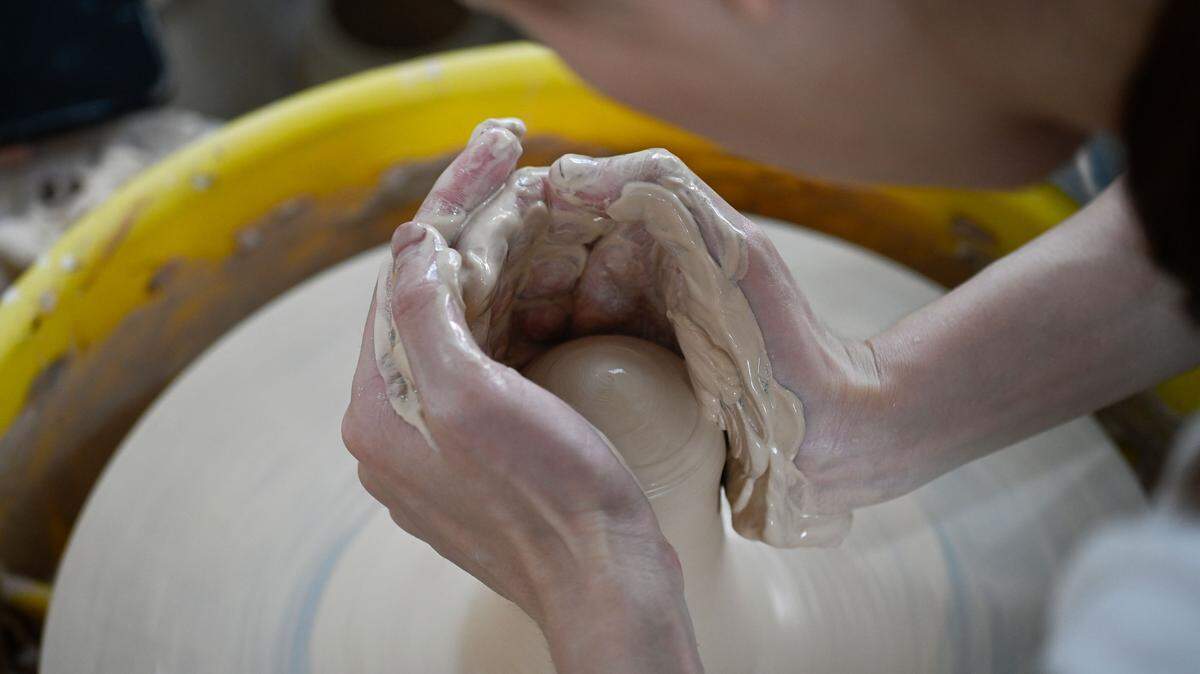
Sightseeing has a ceiling. You walk, you photograph, you leave — and a week later, the trip blurs. That’s the gap artisan workshop travel fills, and it’s why a growing slate of tour operators and small studios are building entire itineraries around learning an actual craft from the people who carry it. The pitch is simple: in a digitized world, working with your hands and learning something ancient and tactile abroad sticks in a way a museum visit doesn’t.
The trend spans continents and price points — from a two-hour perfume class near Paris’s Île Saint-Louis to a week of felting on a remote Finnish estate. Here’s how the model works, who’s leading it and where to actually book.
How Artisan Workshop Travel Works
The core idea is partnership. Operators like Thread Caravan curate heritage craft-focused trips by collaborating directly with locals whose knowledge of a technique is inseparable from the place it comes from. For a Mallorca trip, the company worked with Madrid-native Clara Polanco, who spent every summer of her childhood on the island and now runs the CDMX haberdashery Donde Clara.
“Craft is a window into the land—it uses what grows there, what’s been touched and shaped by generations. When visitors create with their hands, they access a different kind of knowledge: one rooted in rhythm, care, and memory,” Polanco told Vogue in July 2025.
That philosophy — craft as a window into place — is the throughline across nearly every workshop on offer, whether it’s blue-and-white pottery in Fès or tartan weaving in Stirling.
Why Artisan Workshop Travel Matters Now
The appeal is partly a reaction to over-touristed itineraries and screen fatigue, and partly economic: many of these crafts depend on travelers booking sessions to keep the tradition financially viable. Workshops also scale to almost any budget. A pottery and mosaic class in Fès led by local artisan masters runs around $45 per person. A day at Florence’s Scuola del Cuoio — one of the most well-known artisan travel experiences in Europe — starts at around $762.
8 Artisan Workshop Trips Where You Actually Learn a Craft
1. Perfume creation — Paris, France. A two-hour sensory workshop near Île Saint-Louis where participants blend their own fragrance and take home a 50ml bottle. Around $114 per person.
2. Appalachian folk crafts — North Carolina, USA. The John C. Campbell Folk School in western North Carolina runs weekend and week-long programs in wood carving, jewelry-making and hat felting. Programs run $400 to $900.
3. Ikebana flower arranging — Japan. Practiced since the late 15th century, ikebana is taught by instructor Kayoko Kondo in Nagoya, Kyoto and Tokyo. Sessions are 20,000 yen in person or 4,250 yen online.
4. Pottery and mosaic — Fès, Morocco. Fès is renowned for its vibrant blue and white pottery, made with the city’s unique local clay and natural dyes. Small-group workshops with local artisan masters run around $45.
5. Calligraphy — Kyoto, Japan. Centrally located classes are taught by experienced practitioners and sometimes paired with tea ceremonies. Start around $50.
6. Leather bag making — Florence, Italy. The Scuola del Cuoio in Florence’s Santa Croce district offers day workshops and week-long apprenticeships. From around $762.
7. Sheep-to-souvenir felting — Lapland, Finland. Part of a Finland Family Holiday from Intrepid, this workshop on a remote estate outside Rovaniemi walks participants through washing, carding and shaping wool from the family’s own sheep — alongside baking traditional kampanisu pastries from a secret family recipe.
8. Tartan weaving — Stirling, Scotland. New for 2026, Intrepid’s Premium Scotland trip includes a dedicated workshop at Stirling-based Radical Weavers. Travelers learn about tartan patterns, practice traditional weaving and leave with a piece of tartan they wove themselves.
What to Know Before Booking
Workshops vary widely in length, language and skill level. The shortest are two hours; the longest stretch across a week. Some are pure drop-ins, others sit inside a larger guided trip. The constant: you leave with something you made — a bottle, a bag, an arrangement, a length of tartan — and a closer read on the place that taught you how.
This article was created by content specialists using various tools, including AI.