Preventative care tips every man should know: Experts weigh in on healthy aging
As we age we begin to face a new set of challenges when it comes to our physical and mental health. Simply put, our minds and bodies can become less resilient to the stresses of life. It’s easy to accept this as a natural part of getting older and believe there’s nothing you can do about it.
But according to experts, there are preventative actions you can take to safeguard your well-being in your later years. Staying in tune with your body and being proactive in addressing potential struggles can be a game-changer, especially for older men. We asked two health care professionals for their insights into how men can best maintain their health and happiness as they age.
Recognizing mental health challenges
For many reasons, men may experience a decline in their mental health as they get older, which could manifest in the form of depression, anxiety or general feelings of loneliness. Christopher Norman, a Geriatric Nurse Practitioner with the National Council on Aging (NCOA), emphasizes the importance of acknowledging these feelings without judgment. He told us, “Men can create a supportive network through social clubs or mutual friends, engage in regular physical activities and seek professional help when needed”.

Dr. Gary Small, Chair of Psychiatry at Hackensack University Medical Center, adds that education surrounding mental health is critical for early detection and intervention. It’s a common belief that mental health problems are an unavoidable part of aging. Not only is this not true, but misinformation in combination with other cultural and generational factors can lead older men to brush off their feelings, or deny their presence altogether. Open discussion and readily available resources are needed to bypass these negative outcomes.
The connection between physical and mental health
The link between physical and mental health runs deep. Norman said that moving your body boosts endorphin levels, improving mood and reducing feelings of depression and anxiety.
“Living with chronic physical ailments can increase the risk of developing mental health issues,” he notes.

Small agrees, stating that chronic illnesses like arthritis, hypertension, and heart disease heighten the risk for mental health issues. Treating mental health conditions often alleviates symptoms of both the mind and body. In fact, there are many wellness practices emerging that have proven to be beneficial for your physical and mental health, like red light therapy, saunas and cold plunges.
A holistic approach to aging well
Maintaining good all-around health calls for a holistic approach. In summary, Norman advises men to take part in consistent physical activity they enjoy and eat a balanced diet rich in fruits, vegetables, protein and healthy fats. Staying active mentally should also be a top priority.
“The process of learning a new skill is probably more important than mastering it,” he says.
Small adds that social engagement and stress management along with the diet and exercise components are key strategies to reduce the risk of dementia and depression.
What does it really mean to stay active?
Physical activity is key to making you feel strong and capable as you age. “Strength training, aerobic exercises like walking or cycling, and flexibility exercises such as yoga are especially beneficial,” says Norman. Keep in mind exercise doesn’t have to equate to going to the gym by yourself — sign up for a unique fitness class or club sport you haven’t tried before. Find something fun that motivates you to keep moving.

Small said a study shows that even a daily, brisk 30-minute walk outside can reduce the risk of developing Alzheimer’s disease. He also recommends strength and balance training to improve longevity and reduce injury risks from falls.
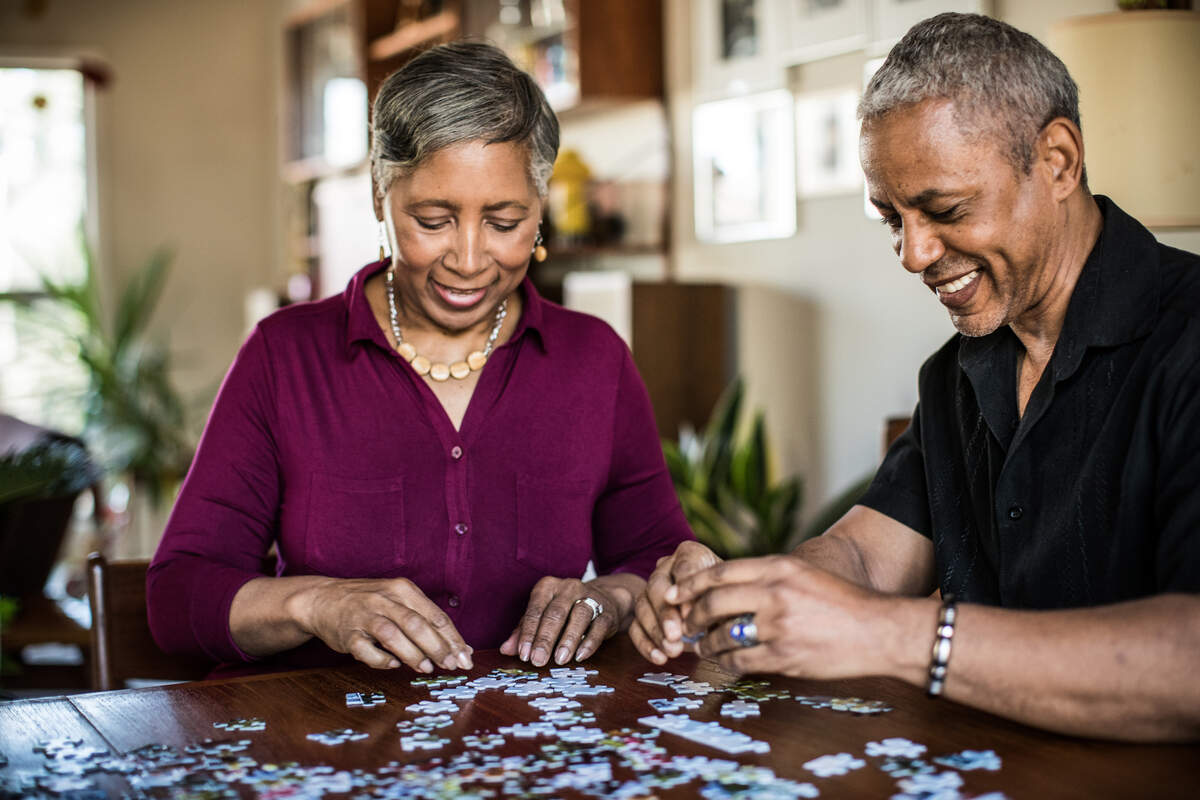
Preventative care tips focus primarily on staying active, which may seem like very general advice. Yet an “active” lifestyle encompasses so much more than just exercise — it includes things like traveling, volunteering, catching up with old friends, working on a creative project, or learning a new skill. Small recommends some other easy habits for mental stimulation like reading, games, and puzzles.
A balanced diet for a better you
A balanced diet goes a long way in preserving your health for years to come. Norman suggests centering your eating around a variety of whole, natural foods while limiting processed foods and high sugar intake.
He explains, “Omega-3 fatty acids, found in fish and nuts, are particularly beneficial for cognitive function and overall brain health”. Small echoes these sentiments, reminding us that portion control can mitigate overeating and weight gain, which negatively affects cognitive function and mental well-being.
It’s a bit easier to mind what you eat at home, since you are the one picking out the ingredients and cooking the meal, but choosing healthy options on restaurant menus is another challenge. However, rest assured you can still enjoy eating out while prioritizing your health through meal customization and intentional ordering.

Managing stress and anxiety
Stress and anxiety take a big toll on how you feel mentally and physically. Norman recommends practices like breathing exercises and mindfulness meditation. Small notes that deep breathing and other relaxation techniques not only reduce stress but also improve sleep, mood and cognitive ability.

If meditation isn’t your thing, try to find another activity that helps you find a sense of inner peace, like ocean swimming, journaling, cooking, art, or listening to a favorite podcast or music. Plus, remember to lean on friends and family for support. Talking about your thoughts out loud can help you clear your mind and alleviate the burden of constant worry. Make it a point to check in with your loved ones often.
Keep up with regular health screenings
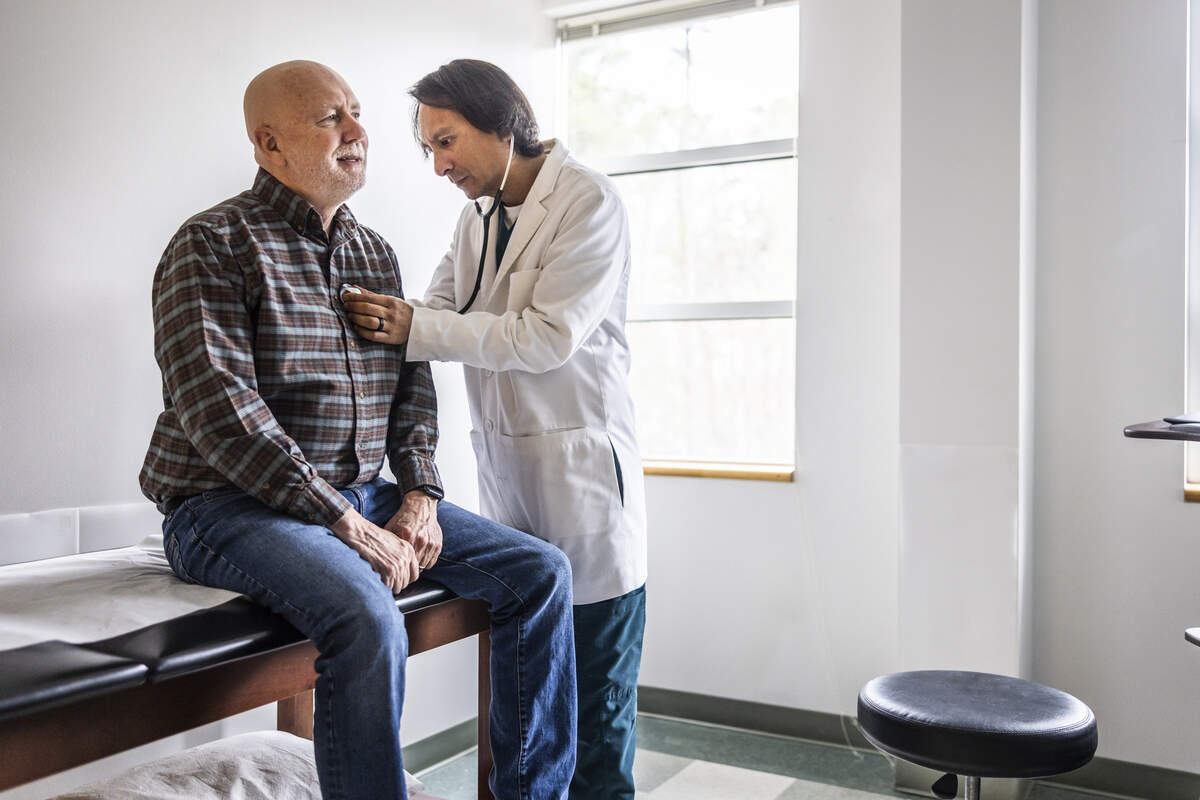
Norman calls out the importance of check ups for conditions that might affect your cognitive health. Regular screenings for blood pressure, cholesterol levels, diabetes, prostate health and colorectal cancer are essential. Norman and Small also advocate for mental health evaluations and cognitive screenings to detect early signs of issues or decline.
Do your best to have an open and honest relationship with your doctor and health care team — this is especially important as you get older. Even if you aren’t 100% sure if what you’re experiencing is normal or you think it’s “not that bad’‘, bring it up anyway. Communication and awareness are at the heart of preventative care.
There’s no reason your later years shouldn’t be some of your best. Thanks to Christopher Norman and Dr. Gary Small for sharing these excellent tips.
*This article contains general health information and is intended for educational purposes only. It is not a substitute for professional medical advice, diagnosis, or treatment. Always consult a qualified healthcare provider if you have medical questions and before making any decisions or changes related to your health.
This story was originally published July 2, 2024 at 3:25 PM.