Natural cycles, big changes: Lara Briden embraces body literacy, future of hormonal health
Conversations surrounding women’s health have been evolving for a long time — and are continuing to change today. Amid all the buzz on social media and beyond, more women have realized that when it comes to their health, there is no “one size fits all” approach. Each of us is completely unique, making it worthwhile to tune into your body and get to know yourself as best you can.
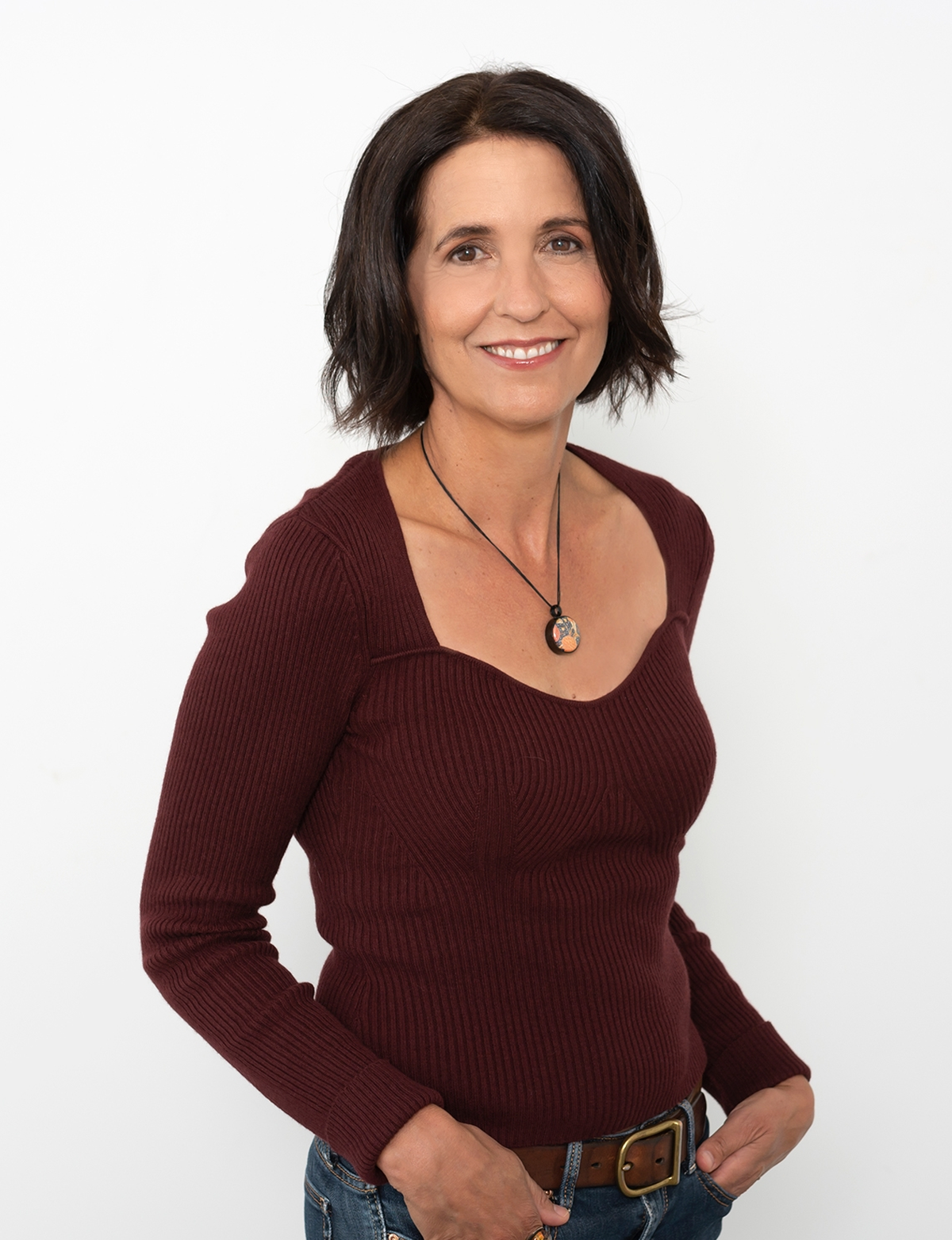
Lara Briden is an evolutionary biologist, naturopathic doctor and author of The Period Repair Manual, among other groundbreaking books. She has been a clear and steady guiding voice for women since her career began. With nearly 20 years of experience working with patients, Lara has dedicated an extraordinary amount of time to helping women get to know the state of their menstrual cycles and hormonal health better.
Her work highlights the power of natural, holistic solutions and is centered on the importance of body literacy — a favorite term of hers which encompasses the idea that we should understand how our bodies function and respond with mindful intention.
The evolution of talking about periods
When Lara first published The Period Repair Manual in 2015, discussions about menstruation and birth control were quite different from what they are today. According to Lara, talking about periods was not considered normal — even the word itself tended to be avoided in conversation.
However, over the past decade, there has been a noticeable shift both in media representation and social acceptance. “It was still taboo to talk about menstruation in public,” she recalls. “When I named my book The Period Repair Manual, people questioned whether it was appropriate to use the word ‘period’ at all.”
Many feared the title would turn off potential readers before they turned the first page, she said.
Fast forward to today and menstruation is no longer a topic that is hidden in the shadows. From athletes openly discussing their cycles to the rise of social media influencers advocating for menstrual health, the mood of the discourse has certainly become more positive.
One significant change Lara noted has been the increased awareness of the possible side effects of hormonal birth control, particularly its impact on mood. Recent research, such as a large Danish study published in the Journal of the American Medical Association, has confirmed what many women have felt firsthand: hormonal birth control can have a significant effect on mental well-being.
Findings such as this, alongside the increased frequency of women sharing their personal stories and struggles, has shown that it’s actually good to ask hard questions — it’s how we make progress. Your experiences are valid, even if they don’t align with what’s seen as the norm. Many experts including Lara would agree — your health is always worth fighting for.
How cycling naturally benefits women
Lara’s approach to hormone health is underscored by the value of cycling naturally. She believes women have an inherent right to make their own hormones if they want to. Her book discusses in great detail how the menstrual cycle can be used as a “fifth vital sign,” akin to temperature or blood pressure. She even likes to refer to it as a “monthly report card” that can clue you in to what’s going on inside your body. When you don’t have a period, these crucial hints may be masked.
“We need to remind women, especially younger women, that it’s actually beneficial to cycle naturally and produce your own hormones,” Lara said.
Many traditional forms of birth control work by suppressing ovulation and in turn, can significantly affect the levels of reproductive hormones present in your body at any given time. These mechanisms are not always well-known or discussed directly.
It’s Lara’s goal to bring these facts to light so when it’s time to make important health decisions, women can address their concerns fully and opt to explore methods that support their hormone health as well as their overall well-being.
Body literacy is a superpower
The value of body literacy cannot be overstated. “Women have been taught to distrust their bodies,” Lara notes, pointing out how this mistrust has led many to rely heavily on pharmaceutical solutions. She acknowledges that health can be confusing, but points out that it doesn’t necessarily have to be that way.
As awareness of natural alternatives grows, more women are thoughtfully tracking their cycles and learning the ins and outs of how their bodies function. Tools like fertility tracking apps, such as Natural Cycles and wearable health technology, like the Oura ring, have made it easier for women to get amazing insights not just into their cycles, but into the whole picture of their health. Having access to this information can literally be life-changing.
“Once you start tracking your body’s rhythms, you begin to understand your own physiology better. You know when you’re ovulating, which means you can predict pretty much exactly when your period will come two weeks later. It’s all about body literacy — learning how your body works — which can be incredibly empowering,” says Lara.
When it comes to your health, you are in charge
The journey toward reclaiming one’s health is a deeply personal one. It’s about giving women the tools they need to make informed decisions, advocate for themselves effectively and identify what’s best for them.
More importantly, Lara wants women to embrace their bodies’ natural processes rather than feel pressured to conform to societal expectations or follow conventional paths that don’t seem to be working in their favor.
“I’m not against birth control,” Lara said. “It can be helpful and even necessary in certain situations. But I do think we need women to be informed and understand the full spectrum of solutions available to them.”
This message has resonated with many women who are looking for ways to support their hormone health without feeling reliant on a prescription.
Above all, Lara would encourage you to take stock of how you feel, think about what’s important to you, evaluate your options and see where that leads.
Finding ways to heal holistically
Lara also emphasizes that holistic health practices are essential to maintaining hormonal harmony within the body. Diet, stress management and regular physical activity all play a vital role in supporting the functions your body needs to perform everyday.
By addressing potential underlying health issues such as nutrient deficiencies, hormone imbalances or chronic stress, women can promote a healthier cycle without the need for medication if they so choose.
“I always ask women to look more closely at their diet and lifestyle choices as a path toward better hormone health,” Lara said. “Simple changes like improving nutrition, reducing stress and using herbal medicines can make a world of difference.”
In The Period Repair Manual, she outlines a wide array of natural remedies and recommendations for combating common issues such as irregular periods, PCOS (polycystic ovarian syndrome), PMS, thyroid imbalances, insulin resistance and hormonal acne, providing practical advice that can be implemented into everyday life.
The future of women’s health starts here
Looking ahead, Lara is optimistic about the direction of menstrual health discussions.
“The biggest change I’ve seen is the move away from the idea that periods are something to be ‘managed’ or ‘controlled’. Rather they are something that can be supported and understood,” she said.
As women learn more about their cycles and get more hands on in terms of caring for their bodies, we can expect an ongoing shift toward holistic and individualized care. On the whole, women today are more informed than ever before, but as we well know, there is always headway to be made. With experts like Lara Briden leading the charge, there is hope for continued advancement in how we approach women’s health.
By prioritizing body literacy, open communication and empathy, we can move toward a future where all women are empowered, educated and in control of their health.
*This article contains general health information and is intended for educational purposes only. It is not a substitute for professional medical advice, diagnosis, or treatment. Always consult a qualified healthcare provider if you have medical questions and before making any decisions or changes related to your health.
This story was originally published December 3, 2024 at 2:08 PM.