
California State Fair will return this summer. Here’s how it’ll be different after COVID
The opening of the first California State Fair in three years is still four months away.
This Sacramento tradition of food, carnival rides, the monorail and “Big Fun” has been stuffed away in storage, like so many other activities, because of COVID-19. And the consequences of the pandemic roll on – related issues and staffing shortages are already causing concerns for annual summer event at a critical juncture in its long history.
A sign of one of the lingering issues: The fair’s big pre-opening event, the State Fair Gala, is among the activities already canceled.
Rick Pickering, California Exposition and State Fair Expo CEO, said he regretted canceling the State Fair gala, but said the gathering of up to 800 people posed pandemic safety concerns in addition to issues with staffing the event. He said the California Exposition and State Fair lost most of its workers during the pandemic, including half of its full-time staff of 60 plus full-time employees and hundreds of seasonal workers.
Even before COVID-19, the California State Fair was seeing major challenges. Attendance in recent years has dropped by around 40% from the early 2000s. Fair officials saw a modest victory in 2019, the last year the fair was held. Attendance topped just over 600,000 for the 17-day event, a 5% increase from the previous year.
In addition, a January 2021 review by an independent auditor raised concerns about the fair’s long-term viability and Cal Expo, the state agency that runs the fair.
Even though reopening after three years offers some opportunity, life on the midway will not be the same.
Actual changes at the fair that runs from July 15-31 are still being worked out, but the gala – featuring samples of the best wines, craft beers, olive oils, cheese and the farm-to-table dinner that attracted hundreds of people – won’t happen at all..
In addition, a shortage of staff means a national goat competition won’t occur and fair exhibits may be smaller or not occur at all, according to Pickering.
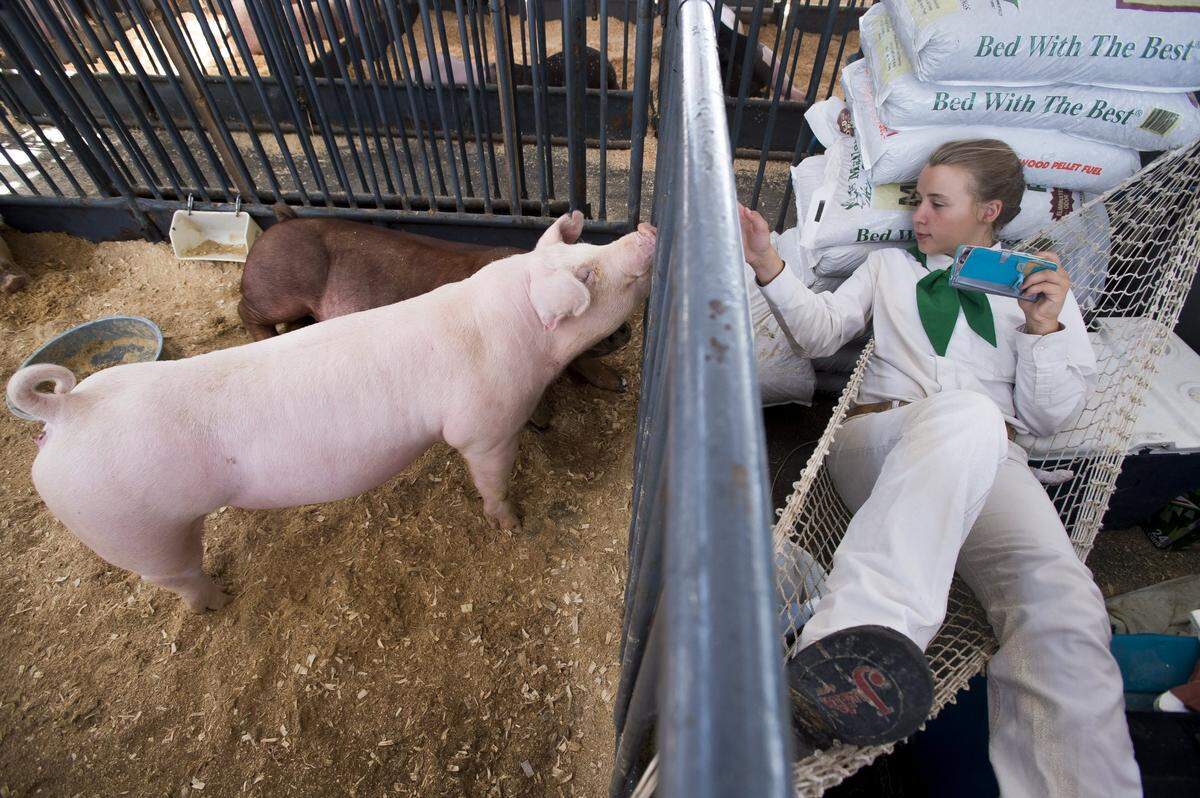
Even with COVID rates going down, Pickering expects some of the physical and tangibles aspects of the fair experience, such as multiple guests holding fruits and vegetables in the horticulture area, to be made off limits.
“The health department is probably not going to allow it,” he said, “unless we have someone standing there wiping off each fruit and vegetable with a disinfectant each time it’s touched.”
Pickering said children’s games could also be problematic.
“There may be some exhibits that we’re not able to do in the same way that we did before,” he. Some of the hands-on exhibits where kids would come up and touch stuff, and then another kid would come up and touch the same thing,” he said.
Pickering said social distancing requirements may also be put in place at exhibits and on rides and ride lines, including the iconic monorail. The monorail, which opened in 1968, is modeled after the ride in Disneyland. Unlike Disneyland, however, the monorail is open only during the far.
A foreboding fair future
None of this bodes especially well for the already-challenged fair or Cal Expo.
The agency also runs a water park, a horse track, the soccer stadium housing the Sacramento Republic soccer team and several RV parks on an approximate 1,000 acre site. It is supposed to be entirely self-supported by revenue it collects.
The fair contributes about 60% of Cal Expo’s revenue and made a modest $120,000 in 2019, the last year the event was held.
But the 2021 independent audit noted that Cal Expo saw an overall $3.7 million loss in 2019. The audit, which was commissioned by Cal Expo, noted that the fair agency faces increasing costs such as paying $1.6 million in California Public Employee’s Retirement System pensions benefits for employees by 2030.
Cal Expo also faces major infrastructure costs.
The Cal Expo site contains at least 100 buildings and a 2018 study said many facilities were “found to be reaching their serviceable life span,” having been built 50 years ago. The state contributed $15 million to renovate some buildings in 2018, but the Cal Expo study found that more than $130 million will be needed to renovate the buildings.
The state infused $12 million in operational support in the current budget year after two years without a fair put Cal Expo into deeper financial trouble. Cal Expo also received an additional $10 million as reimbursement for the cost of holding COVID-19 vaccine events and other health programs during the two years the fair was not held.
Just how much in cash Cal Expo will need to continue operations after this year’s fair is unclear.
“Like most businesses, patrons are beginning to return but it’s too early to determine when the financial picture will fully rebound,” Pickering said. “Cal Expo anticipates that it may need additional support until the full impacts of the pandemic are better understood.”
The auditing firm hired by Cal Expo laid it out bluntly: “Cal Expo continues to make other state entities aware that Cal Expo cannot operate into the future if it continues to absorb costs from the state, as well as address the costs of aging infrastructure.”
Increased competition for Cal Expo
Pickering said even at 600,000 attendees, the fair is still Sacramento’s biggest event. But said the fair faces increasing competition from other events.
The fair audience has been siphoned by competition, the fair CEO said. He noted a large number of other outdoor events that have sprung up in the Sacramento area in recent years, including food and music festivals and other outdoor events.
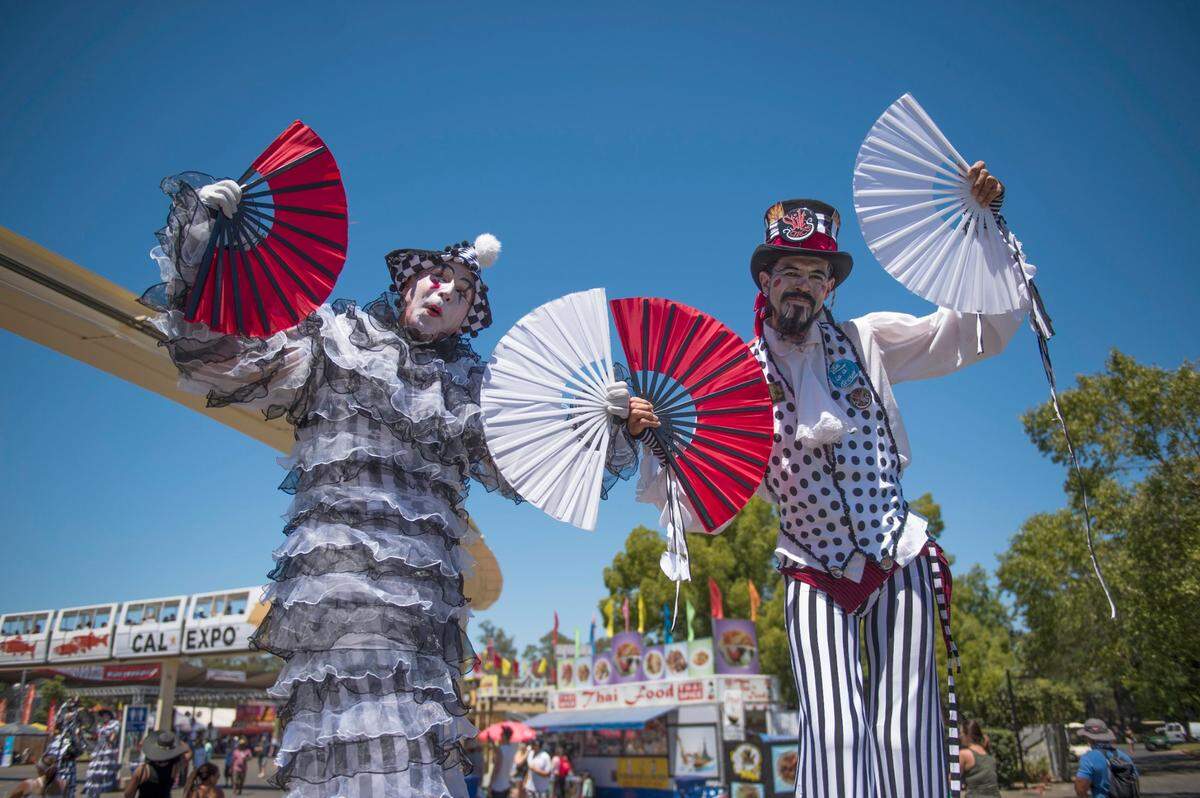
The fair also moved its traditional August dates, which included Labor Day weekend, in 2010 to July.
“While it was difficult to give up the large-attendance that came with the three-day Labor Day weekend, state-wide youth competitors were finding it harder to travel to the State Fair due to schools moving their opening dates into early to mid-August, “ Pickering said.
The gala loss
This year’s fair changes have already rubbed one group, The Friends of The Fair, the wrong way. The group sponsors the annual gala.
“I am very upset about the gala cancellation, “said Harry Ross, executive director of the privately-run organization.
He said the gala helps fund the organization’s $50,000 scholarship fund for deserving students. Ross said the organization plans to give the money this year from reserves, but whether scholarships will be distributed next year is unclear.
“That would really bother me if we couldn’t give out the scholarships,” he said.
Ross, 75, has been a member of the Friends of the Fair for more than 25 years. He said the gala could have been held this year but that state government officials have moved too slowly to return to some safe pre-COVID activities.
“A lot of excuses will be made over this pandemic, but we are a blue state,” Ross said. “This is not the state I was born to. The governor couldn’t care less about the state fair.“
California Gov. Gavin Newsom appoints nine of the 11 members of the California Expo & State Fair and sits on the board – though he sends a representative to board meetings.
The gala is normally held in June, about a month before the fair opens.
While California COVID-19 rates have gone down, Pickering said hundreds of people in two fair buildings eating and drinking – the traditional gala set-up in the past – still could be problematic,
Pickering said safety issues aside, holding the gala is staff-intensive, even with an outside catering company providing servers.
“It’s just too soon coming out of COVID.,” he said.
Dogs and cats and pot
Pickering noted that positive changes will also be part of this year’s fair.
He said an outdoor wine garden will be expanded to 17,000 square feet from 7,000 square feet. He said there will also be a dog and cat pavilion for the first time, where guests can buy pet insurance or learn how to be matched to an animal that reflects their personality.
He said the pavilion is a reflection of our times.
“There’s going to be fewer and fewer people that can raise cows and pigs in the future just with land challenges,” Pickering said
The fair will also be running its first marijuana competition for the best-grown cannabis. Pickering noted that marijuana is a big crop in California and that cannabis farmers should be recognized. .
California will be resuming its state fair a year later than other states.
Statistics from the International Association of Fairs & Expositions in Springfield, Missouri, show that the California State Fair was the only statewide fair event to be canceled in the U.S. in 2021.
The association’s President and CEO Marla Calico said California was more cautious than other states in deciding the show could not go on.
Ross said he is concerned about what the state fair will look like this summer, particularly with less of a focus on agriculture displays, such as goats, and a reduction in potential exhibits.
He said he’s worried that a the event will look less like a state fair. “I hope we don’t end up with a bunch of food trucks and a carnival.”
This story was originally published March 11, 2022 at 5:00 AM.