
This city is the top destination for Mexican food in the Sacramento area. Here’s what you’ll find
Main Streets offer towns a chance to put their best foot forward, to exhibit their choicest offerings. In Woodland’s case, that means Mexican food from end to end.
El Charro Mexican Restaurant & Bar’s streetside patio has great people-watching, but private parties feast on molcajetes and sopapillas in the back room as well.
Antijotos Jaimito taco truck is more suited for birria on the go, while Las Brasas’ veggie vampiro tacos go great with the restaurant’s salsas.
At least 15 Mexican restaurants and food carts line Main Street, front-and-center as one moves through the heart of the city. Dozens more serve customers in surrounding neighborhoods; they’re there as much for community members as they are for culinary tourists.
There’s diversity and depth to Woodland’s Mexican scene, so much so that it’s been baked into the city’s DNA since the 1940s when the Bracero immigration program brought waves of farmworkers to Yolo County. That’s one reason that Woodland today can lay claim to the Sacramento region’s best Mexican food scene.
Woodland is about 19 miles northwest by car from Sacramento. Nearly half of its 61,398 residents identify as Hispanic or Latino, the highest of any percentage of any city in the Sacramento area, according to the 2020 census. Mexican Americans have shaped Woodland in all facets, and their food has defined the way the city eats.
“Hay casi puro Mexicano en Woodland,” said Mariscos El Viejon seafood truck owner Eduardo Granados. “A dónde quieres que vayas, todas hablan español.”
“There’s almost only Mexicans in Woodland. Wherever you go, everyone speaks Spanish.”
It’s not uncommon to hear Southern California transplants complain about the state of Sacramento’s Mexican food. It’s an understandable gripe, to some extent: Los Angeles and San Diego boast two of the best scenes in the United States.
But certain avenues within Sacramento offer a glimpse of that cultural richness: Franklin Boulevard near North and South City Farms, for example, or Northgate Boulevard in South Natomas.
In Woodland, it’s the whole city.
From the man grilling pollo al carbon by Mercadito El Sinaloense to carne asada burgers at Cali-Mex spot Doggeros to Flamita de Oaxaca taco stand outside the Walmart, Woodland’s Mexican American population is inseparable from its food scene.
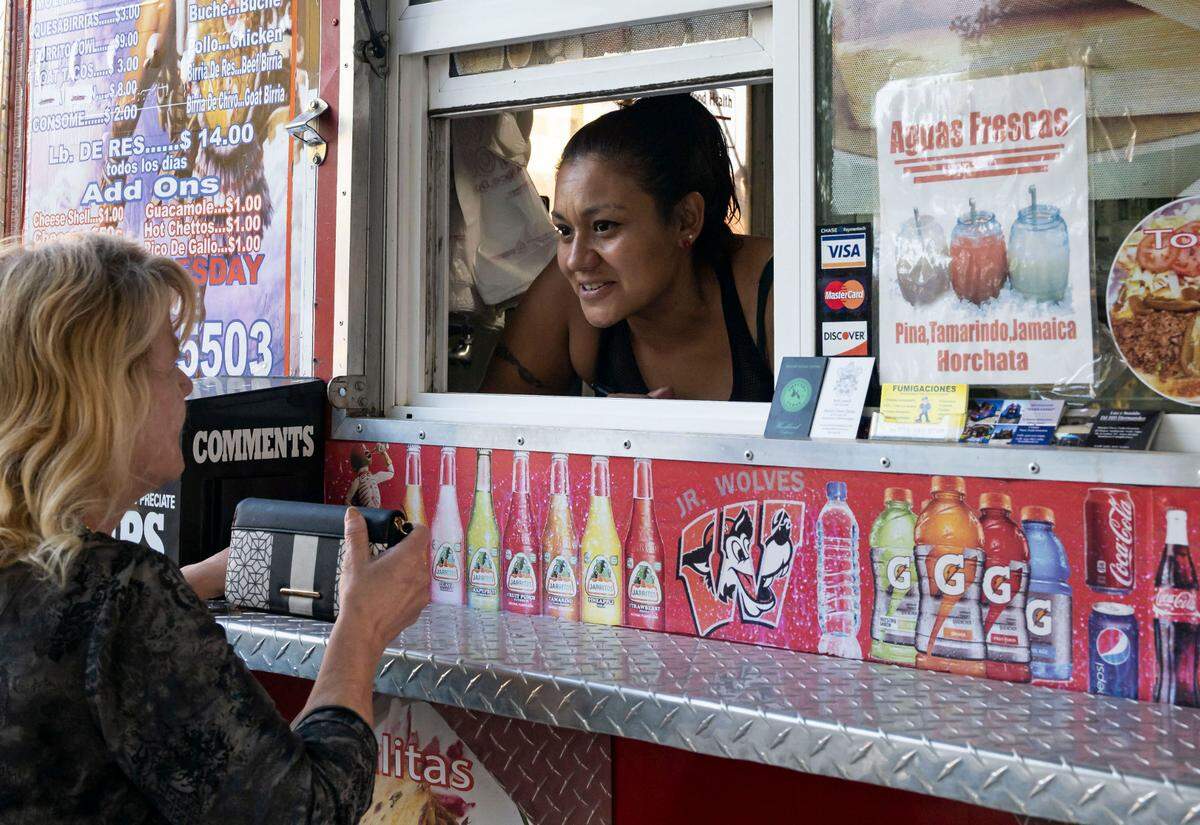
Why Mexicans came to Woodland
Woodland’s relationship with Mexican cuisine dates back to the launch of the Bracero program, a 1942 agreement that brought millions of Mexican laborers to the United States.
The program filled a national agricultural labor gap left by American workers, who were serving in World War II. It provided farms a cheap source of labor by allowing braceros — the Spanish word for manual laborers — to obtain temporary work permits. By the time of its termination in 1964, the program had brought in more than 4 million workers.
Yolo County particularly benefited. In 1958, Yolo County was estimated to have 10,144 seasonal workers which represented over 10% of those statewide, according to the book “Healing Multicultural America.”
Even after the program ended, many farmworkers opted to stay in the area. Some married local women, and others returned to Mexico to return with their families.
Woodland’s growth directly coincided with the increased Mexican population. Between 1950 and 1970, Woodland’s population doubled to 20,677. Mexican food businesses also emerged during that time, with La Villa Restaurant opening in 1950 and El Sombrero Tortilleria in 1960.
By 1980, Hispanics consisted of 23% of the city’s population.
“The demographics really shifted, so Woodland went from a white millionaire in mansions kind of town to Mexicans of all generations,” said Melissa Moreno, the head of the ethnic studies department at Woodland Community College and daughter of a bracero.
Today, many Mexican second and third-generation farmworkers, with ties to the Bracero program, have settled in Woodland. The city has recently made a concerted effort to reach this community, hosting the first Yolo Growers and Farmworkers Festival last June. It drew thousands of attendees, who enjoyed a dancing horse and trick roper performance along with three local bandas.
“We, frankly, have a large amount of this population, and they deserve to have celebrations like this,” said Spencer Bowen, communications and strategic policies manager for the city of Woodland.
Great bites from mobile cooks
Farmworkers line up by Mariscos El Viejon’s bright red truck on Saturday afternoons, just past the Chevron gas station in a parking lot at 5 W Main St. Freshly-delivered paychecks lining their pockets, they come for refreshing tastes of seafood after long, hot days of work.
Granados makes sure to cater to his largely Mexican clientele using a Guanajuato-themed menu, from aguachiles, a raw shrimp dish marinated in lime juice, to a variety of fried seafood tacos topped with avocado.
But the main attraction is a sweet flavored coctel de camarones, or shrimp cocktail, that is typically eaten with tostadas or crackers — and a testament to the popular dish in Granados’ hometown. Its sweet flavor is uncommon among the majority of Mexican restaurants in the U.S., many of which give their coctels a sour taste using lemons and salt.
“When something hits, no lo puedes parrar, es más que esta bueno, todos lo quieren hacer, se hace trendy,” Granados said.
“When something hits, you can’t stop it. And even more so if it’s good, everyone wants to do it, it becomes trendy.”
On weekdays, most customers are gone within minutes, carrying white plastic bags filled with shrimp cocktails, Baja-style fish tacos or tostadas with ceviche. For those who prefer to eat the food right away, there’s a single table with an array of hot sauces.
Granados, 30, works alongside his two employees inside the truck. They’re up at 8 each morning, preparing ingredients and bantering in Spanish. All three immigrated to Woodland from Mexico, with Granados coming at the age of 11 from the city of Guanajuato.
His culinary experience stems from a 10-year stint working at a mariscos restaurant in Sacramento. That’s when he cultivated a passion for seafood and realized the opportunity to seize on the Mexican presence in the area.
Businesses like Granados’ are crucial to Woodland’s farmworkers. The trucks, stands and carts offer quick relief for workers exhausted from long days and looking for an escape from the usual cheap fast food options.
“Sometimes one arrives tired, or very late and the only way is to buy food from food trucks or McDonalds,” said Wilfredo Martinez, former farmworker and owner of the taco stand El Fogoncito.
Only available on the weekends, El Fogoncito’s taco stand in the Mobile parking lot at East Oak Avenue and East Street resembles a food scene out of downtown Los Angeles. The atmosphere has a communal vibe as people tailgate, eat their food standing up or use their car hoods as table tops.
Martinez, a native of Oaxaca, serves items that range from tacos, tortas and quesadillas to lesser known specialties like alambres, a dish of grilled beef topped with grilled peppers, onions and cheese.
The tender, juicy suadero, or brisket, and thick, handmade tortillas especially make this stand worth visiting. Each dish can, and should, be covered with an abundance of the salsas, jalapenos and onions available on a side table.
Woodland’s modern Mexican cuisine
There’s the street level. There are mid-level restaurants. And then there are spots that encapsulate modern Woodland’s dining scene, which matured over the last decade.
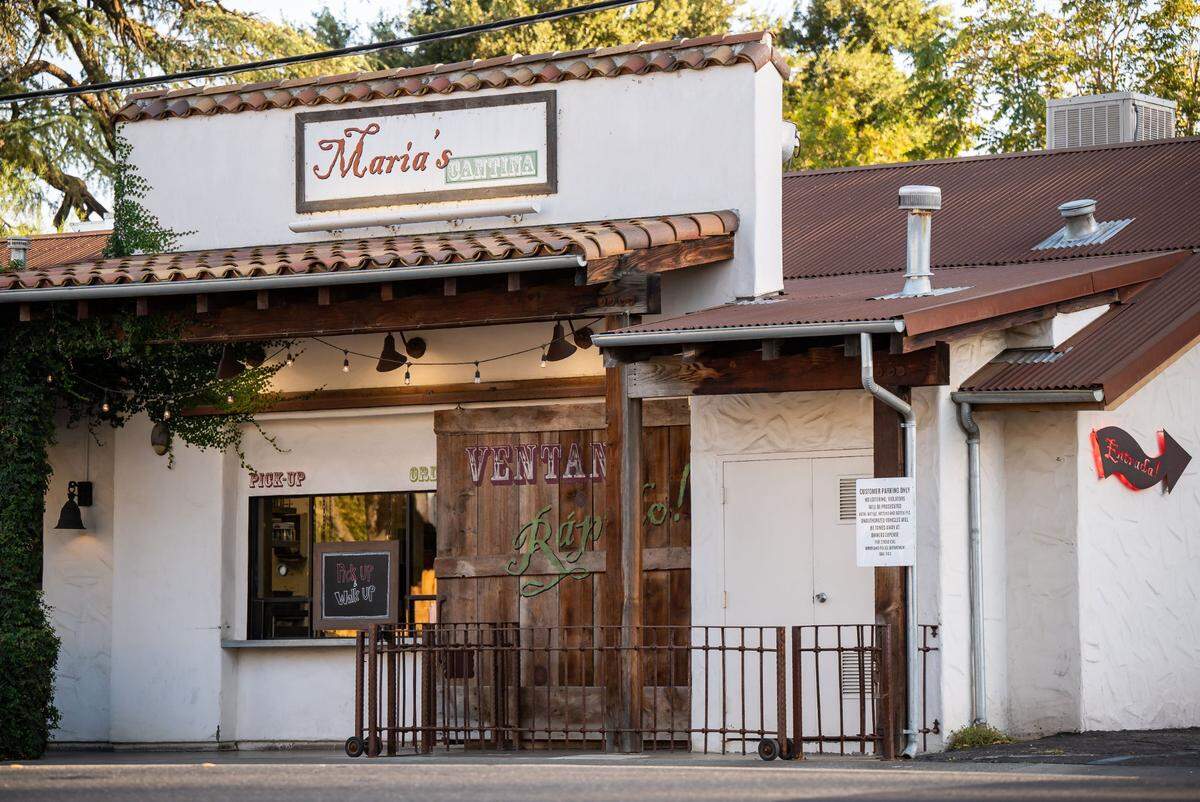
A half-mile north of El Fogoncito, floral margaritas gussied up with elderflower liqueur fill glasses at Maria’s Cantina. It’s heavy on rustic charm — stone floors and countertops, exposed wood beams, silverware twisted to look like wrought iron — but don’t let the old-timey feel distract from chef Maritza Salazar’s culinary innovations.
Born in Davis but raised in the Mexican state of Jalisco, Salazar earned a culinary degree from Colegio Gastronómico Internacional and cooked in Madrid before returning to Yolo County. Casual fans of Mexican cuisine should recognize just about every item on her seasonally rotating menu, but each one has its own tweak.
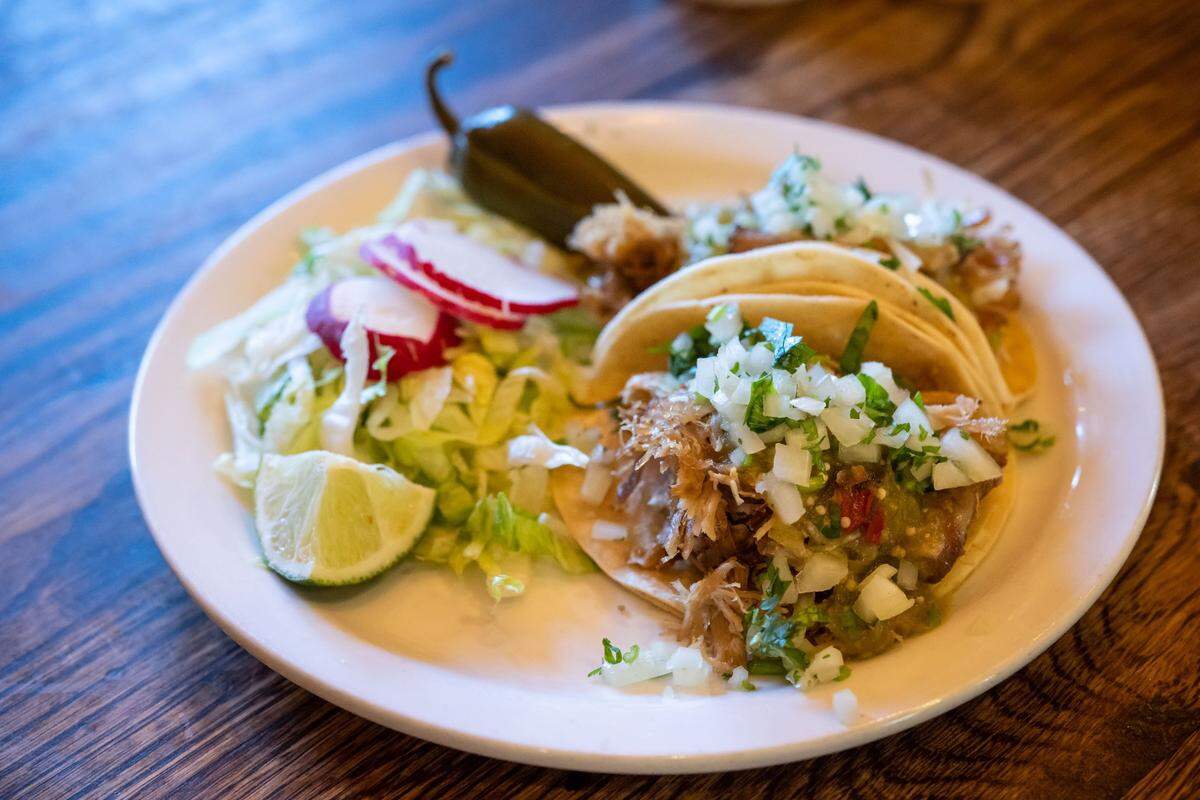
Pineapple salsa lightens Maria’s Michoacán-style carnitas, a flagship item introduced by the opening chef in 2011. Lobster-filled suiza enchiladas are a decadent, rich dish, interrupted only slightly by the Cajun-spiced butter in which the shellfish is covered.
The quesabirria craze gets new life in Salazar’s twin burritos stuffed with shredded short rib meat and a mixture of cheese, consommé included on the side for dipping. Don’t forget to try the flan brûlée, a hybrid of Mexican and French custards.
“This is a Mexican restaurant, but I think it’s a little bit different than the rest of the restaurants,” Salazar said. “We have plates of traditional Mexican food, but with something a little different.”
Latinos fill kitchens across California and the United States, but it’s rare to see them own restaurants that specialize in food from outside their heritage.
Yet Woodland’s Mexican American population is so large and diverse that includes all kinds of concepts.
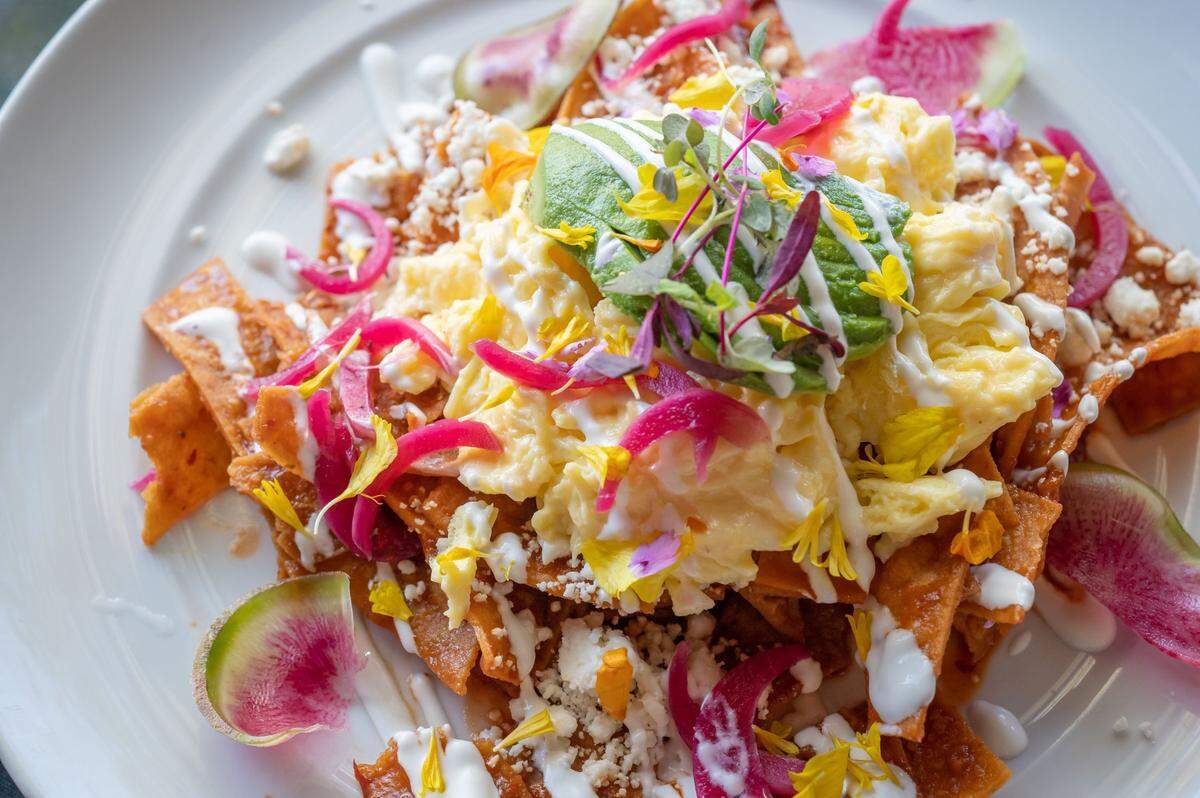
Juan Barajas’ Savory Cafe offers chilaquiles, huevos rancheros and vegan taco bowls, but those items are anomalies. The rest of the menu includes eggs from Vega Farms in Dixon, French dips on Village Bakery (Davis) rolls and cheeseburgers with beef from Panorama Meats in Woodland, best enjoyed around a long communal table with friends or strangers.
Barajas’ grandparents came to Yolo County as farmworkers through the Bracero program. He’s lived there his entire life aside from nine years when his father ran a crop dusting business in Michoacán.
Juan Barajas and his brother Toby worked at a local ranch as teenagers, but began opening Mexican restaurants around Yolo County with their mother in the 2000s. Then in 2015, they bought Savory Cafe and turned it into the kind of New American, farm-to-table restaurant that opened in cities across the country throughout the 2010s.
Framed photos of family farms in Esparto, Capay, Davis and Woodland line Savory Cafe’s entryway, next to a 2019 newspaper article recognizing the restaurant as state Assembly District 4’s small business of the year. A 2015 picture shows the Barajas brothers working at Tower Bridge Dinner; they also helped start Woodland’s own version, called the Dinner on Main.
It’s a restaurant built around the Barajas family’s heritage — as farmworkers in Yolo County’s vast agricultural community, not necessarily as Mexican Americans.
“We’ve always been an entrepreneurial family,” said Barajas, arguably Woodland’s highest-profile restaurateur at present. “We’ve also been laborers out in the fields, and we know the hard work and dedication that goes on out there, so that has caused us to be very respectful of the land that we’re using and the soil.”
This story was originally published November 11, 2022 at 5:00 AM.