California’s two olive oil giants to combine. How will it affect the industry?
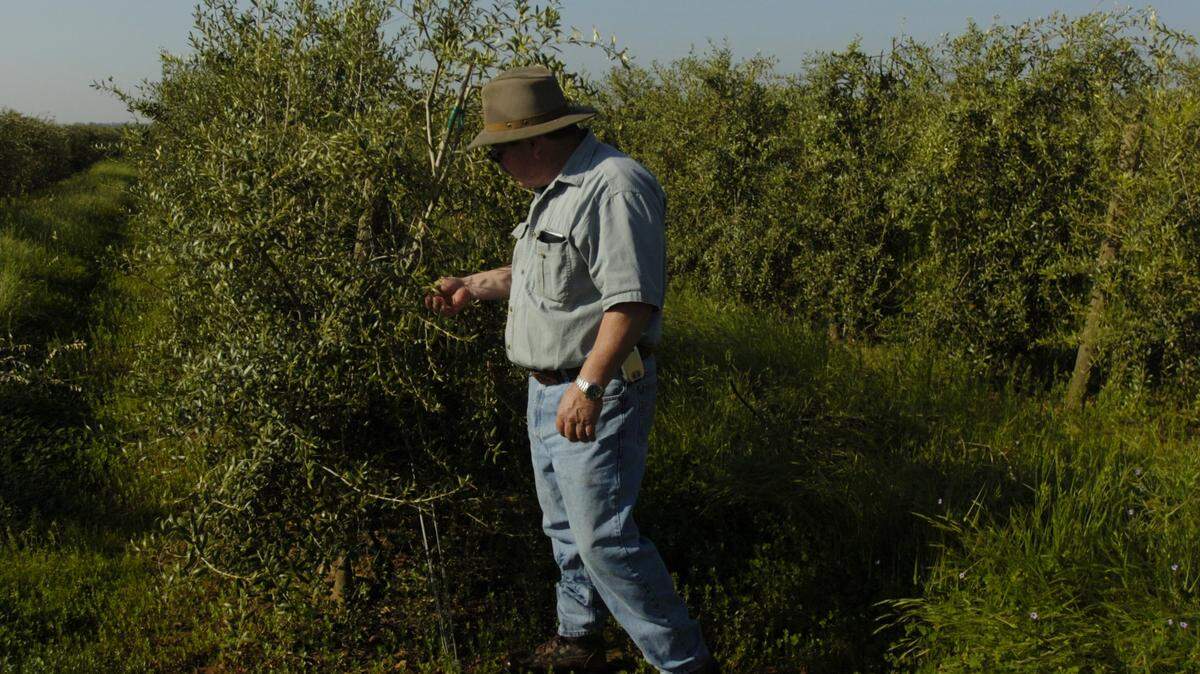
Cobram Estate Olive Oil announced in Decemeber it would acquire California Olive Ranch. The deal would bring the state’s two largest producers together under one umbrella. The U.S. Department of Justice initially suspended the deal to review antitrust implications. Cobram Estate announced Thursday, March 12, it had been cleared by the federal government to proceed with the acquisition.
James Sayre is an assistant professor of cooperative extension at the University of California, Davis. He said the USDA National Agricultural Statistics Service estimates the U.S. grows about 43,000 acres of olives. About 12,000 acres are used for growing table olives and the remaining 31,000 acres are olive oil oriented. The vast majority of which is in California, because the climate is nearly uniquely suited for olive growth.
It also estimates the two companies directly own or lease more than a quarter of state olive oil focused acreage. Additionally, the two companies contract with third-party growers for combined control of another 36 percent of the state’s olive oil production.
Post-merger it would oversee nearly two-thirds of California’s total olive oil production. While Cobram Estate will not absolutely control olive oil production in California, it will have a grossly outsized influence on the industry.
The remaining acreage is owned by a patchwork of small and medium producers. Many of these are boutique brands that sell direct to consumer at ultrapremium prices.
Cobram Estate intends to continue to grow its holdings as well. Already it has acquired 350 acres in Yolo County of former almond orchards that it will be converting to olives, the Sacramento Business Journal reported. With almonds, winegrapes and other fruit crops on the decline, it presents an opportunity for Cobram Estate to expand.
“Of the acreage we own, 70% has been planted and the other 30% — including the recently acquired almond orchard and some wine vineyard acreage — will be converted to olives over the next two years. We are expecting the conversion to a less water-intensive crop in olives will support sustainability efforts in the area,” said Justin Smith, vice president of business development and industry relations for Cobram Estate.
Balancing quantity and quality
There are two main ways of growing olive trees for oil production. Medium- to high-density orchards allow the trees space for their canopies to grow. These typically need to be hand-harvested or using some machinery such as trunk shakers.
Super high-density farming involves planting trees much closer together, and pruning them in such a way that they form tall, narrow hedgerows. These are harvested with tall, sort of upside-down U-shaped machines that pass over the tops of the rows. They shake the trees to dislodge the olives, which are captured and stored for processing.
Hedgerow farming is a necessity for large-scale olive oil production, but it’s limited to a few varieties that can be trained in that way, such as Arbequina, Arbosana and Oliana. These tend to have mild, buttery flavor profiles, making their oils good for everyday use.
The much wider array of olive varieties that can be grown in lower-density farming practices such as Coratina, Leccino and Frantoio each has its own unique flavor profile, lending peppery, grassy, floral and fruity notes. This makes them excellent to blend with, or to stand alone for a statement oil.
Stuart Littell and Pamela Marvel own Grumpy Goats Farm in Capay. Since 2008, they’ve made artisanal olive oil on 17 acres of orchard. They grow an array of varieties including Coratina, Picual, Hojiblanca and others. They produce about 1,100 gallons of oil. Starting out, they had to contend with smaller production.
“We put them together and called it an Italian blend. But lately, each variety produces enough to sort of stand on its own. We think that’s an interesting thing for people to explore different tastes and pungencies and freshness and so on,” Marvel said.
To date, California Olive Ranch has focused almost exclusively on hedgerow production. Cobram Estate has been growing a combination of hedgerow and lower-density orchards to allow them to create a portfolio of oils.
“Some of the varieties you can grow in the medium-, in high-density allow you to produce just different flavor profiles, a little more robust. ... We’ll have a classic flavor, we’ll have a selection that are all more suited to the different varieties. So we do it largely for flavor,” Smith said.
It also brings the benefit of biodiversity. More variety allows for more resilience when faced with issues. One bad year for Arbiquina crops could be devastating for the large-scale farmers.
As Cobram continues to expand its orchards, it intends to trend in that direction.
“We will probably end up about 50-50, in terms of medium-density plantings and super high-density,” Smith said.
Room for the little guy
As Cobram Estate conquers the California market, it stands to reason that it will also have more sway in terms of landing on the grocery store shelf. On the one hand, this helps California olive oil continue to take a more esteemed position against imported oils. Smaller producers are more skeptical.
“We’re not particularly excited about this move at all, because we think it’ll have a negative effect on us. It gradually comes to the point where you need to get big or get out,” Marvel said.
The main way these producers can compete is by leaning in to their hands-on approach.
“We can grow each varietal, we can give it personal attention, and we can pick it at exactly the right stage of ripeness. When they’re going in with the tractor, they can’t respond to the needs of the trees. We have to have a better product overall to compete,” Marvel said.
Cobram Estate sees this as a case of the tide rising all boats.
“We’re pretty committed to California olive oil. So we will push the SKUs more and more into 100 percent California grown extra virgin olive oil. California Olive Ranch has some blends of different things right now, and our vision is really to make it California grown exclusively to try to help maintain a premium price point for California extra virgin,” Smith said. “This will help us out with the acreage we grow, but will also help maintain higher prices for our growers as well.”
This story was originally published March 16, 2026 at 11:21 AM.