Meet the Kentucky Bourbon Trail, the Distillery Trail Experience Every Whiskey Fan Should Plan to Visit
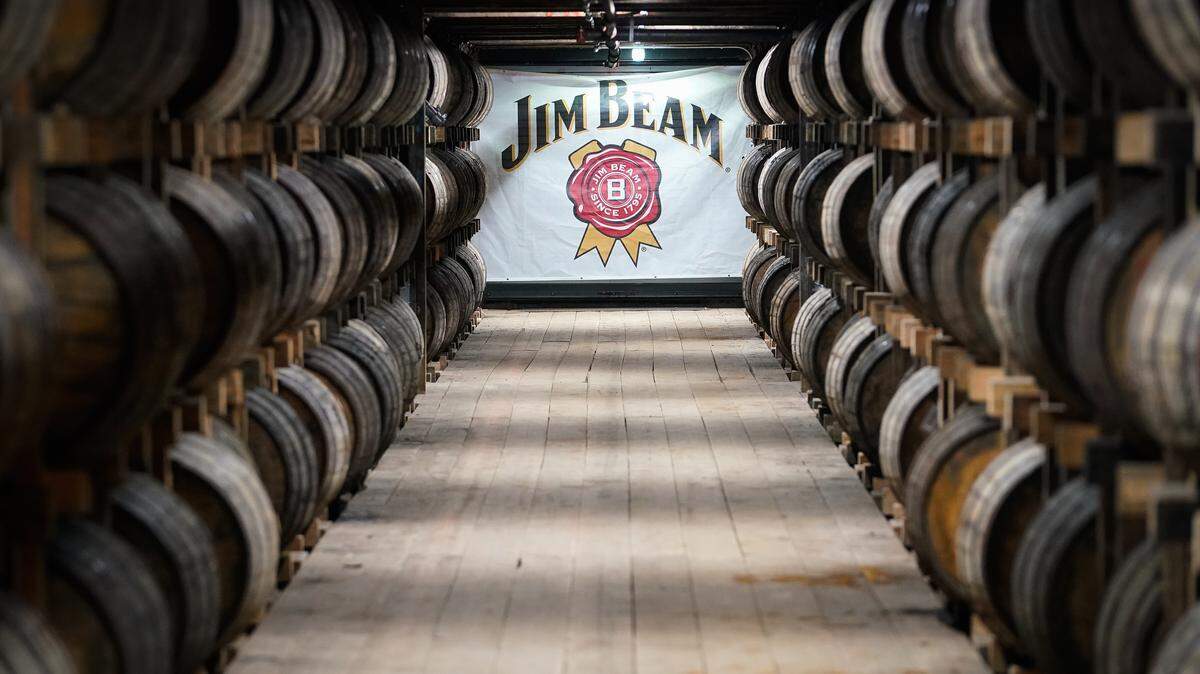
Bourbon tourism is booming, and travelers are asking the same questions before booking flights to Louisville or Lexington. Here is what you need to know about the Kentucky Bourbon Trail before you map out your distillery stops.
What Is the Kentucky Bourbon Trail and How Does It Work?
The Kentucky Bourbon Trail is a self-guided driving tour through Kentucky’s most iconic bourbon distilleries, officially launched in 1999 by the Kentucky Distillers’ Association. It is not a single road but a curated network of distilleries spread across the state that travelers visit at their own pace.
For More Information: Winery & Distillery Trail Tours Go Sober-Curious — Here’s What Non-Drinkers Can Expect
The trail grew into two distinct experiences, which have now been combined into one large official trail. The original main tour features the household-name producers most bourbon drinkers already recognize, while the Kentucky Bourbon Trail Craft Tour highlights smaller, artisan distilleries for a more intimate experience. Together, the trail and craft tour include more than 60 locations, which means choosing a region matters more than trying to check every box.
Kentucky’s grip on the category is what makes the trip worth taking in the first place. The state is considered the birthplace of American bourbon, and 95% of the world’s bourbon is produced there, according to the Kentucky Distillers’ Association. That concentration is why a single driving trip can put you inside the rickhouses and tasting rooms behind nearly every major label on the back bar.
The distilleries themselves are split across several regions: Northern, Central, Western, Louisville, Lexington and Bardstown. Each cluster has its own character, and the official site recommends focusing on one region at a time rather than trying to crisscross the state. That advice matters more than it sounds, because driving times between regions can eat an entire afternoon that you would rather spend on a tour.
First-time visitors usually start at the official welcome center, located on the first floor of the Frazier Kentucky History Museum in Louisville. It functions as the orientation point for the entire distillery trail, with information on routes and current distillery offerings.
Think of the trail less as a checklist and more as a framework. You pick a region, build a route around two or three distilleries a day and let the rest of Kentucky — the food, the scenery, the small towns — fill in the gaps between pours.
Which Distilleries Are on the Kentucky Bourbon Trail?
The trail’s biggest draws are the household names that dominate bourbon shelves nationwide. Major stops include Maker’s Mark, Buffalo Trace, Woodford Reserve, Jim Beam and Wild Turkey. These are the distilleries most first-time visitors prioritize, and they tend to fill up fastest during peak travel seasons.
Beyond the marquee names, the Craft Tour adds a layer of smaller, boutique distilleries that offer a more intimate experience than the larger operations. These stops often feature smaller tour groups, hands-on tastings and conversations directly with distillers or owners. For travelers who want to understand how bourbon is made at a slower pace, the craft side of the trail is often the more rewarding half of the trip.
Most distilleries regardless of size offer guided tours that walk visitors through the full production process: grain mashing, fermentation, distillation and barrel aging. Tours typically end in a tasting room, where the experience varies widely from stop to stop. Some tastings are free with admission, while others are ticketed and range from basic pours to premium flights featuring limited or single-barrel releases.
The shopping piece is its own draw. Many distilleries feature gift shops with branded merchandise, barrel picks and exclusive bottles available only on-site. For collectors, the on-site-only releases are often the single best reason to make the trip in person rather than relying on a local liquor store.
A few practical notes worth flagging before you book:
- Budget at least one to two hours per distillery stop, and check tour lengths in advance so you do not overpack your day.
- It is common to book tours anywhere from 30 to 90 days in advance, because popular distilleries fill up fast.
- Hours vary by location and by season, so confirm directly with each distillery before locking in your route.
The takeaway: the lineup is deep enough that you cannot reasonably hit it all in one weekend or weeklong trip. Picking three to five distilleries that match your taste — whether that is big-label history or small-batch craft — will give you a better experience than racing through ten spots in a weekend.
When Is the Best Time to Visit the Kentucky Bourbon Trail?
Spring and fall are the best times to visit the Kentucky Bourbon Trail, thanks to mild weather and lighter crowds outside of major holiday weekends. Kentucky summers can be hot and humid, which makes the long drives between rural distilleries less pleasant than they need to be.
Weather is only half the planning equation. Because the trail spans more than 60 locations across multiple regions, the official site recommends choosing one region and focusing on visiting multiple distilleries in that region first for an easier and more convenient trip. Trying to hit Louisville, Bardstown and Lexington in the same weekend usually means more time in the car than in the tasting room.
Transportation is where a lot of first-time visitors get tripped up. The point of the trip is tasting bourbon, which means someone has to stay sober behind the wheel. Travelers typically designate a driver or use a guided bourbon tour company or shuttle service to ensure safe and efficient transportation between stops. Shuttle services also solve the parking and timing problems that come with hopping between distilleries on a tight schedule.
A few logistical realities to plan around:
- Most distilleries are open year-round, but hours vary, so always check before going.
- Some distilleries are in rural areas with limited cell service, so download maps offline before you leave your hotel.
- Booking tours 30 to 90 days in advance is standard for the more popular stops.
The trail is also more than the bourbon. Many distilleries are set on stunning historic properties worth visiting for the scenery alone, and several offer tours that focus on the history of the property in addition to the production process. If you have non-drinkers in your group, those property tours can turn a distillery stop into something everyone enjoys.
For More Information: Winery & Distillery Trail Tours Go Sober-Curious — Here’s What Non-Drinkers Can Expect
Food and lodging round out the trip. The official website offers hotel recommendations ranging from small local bed-and-breakfasts to chain hotels, so travelers can match their stay to their budget. Kentucky’s food scene delivers too, with options ranging from restaurants run by James Beard Award-winning chefs to classic regional offerings on and near the trail. Plan at least one sit-down meal per day around a distillery stop, and the trip stops feeling like a tasting marathon and starts feeling like an actual vacation.
This article was created by content specialists using various tools, including AI.