
As IPAs continue to dominate the craft beer world, Sacramento brewers adapt
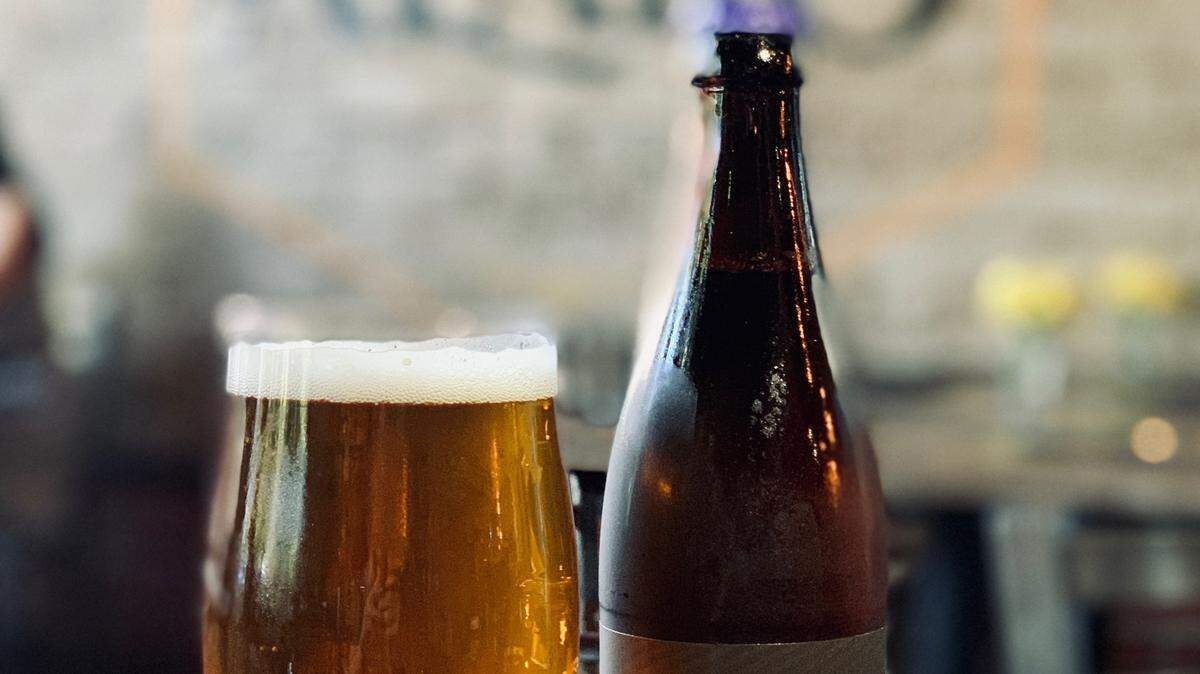
Even though many brewers say they would love to spend more time refining other styles of beer, IPAs play an outsized role in day-to-day operations at Sacramento-area breweries because customers love them.
It’s a simple fact: Customers constantly want a brew that is even weirder or more extreme than the last.
The brewery boom trend appears to be ending, as openings have stagnated in California, but IPAs played an integral role in getting craft brewers to this point. As breweries opened during the boom earlier this decade, sales of IPAs skyrocketed. From 2017 to 2018, sales increased by 10.1 percent.
The financial success of IPAs, and the demand for new tastes, has pushed breweries to become increasingly creative in tinkering with recipes. The next great IPA could be inspired by a gin and tonic instead of a milkshake.
“We’re naturally creative people,” said Andrew Mohsenzadegan, co-founder of Flatland. “If you put us in a box, we’re going to find a way out.”
Mohsenzadegan is always trying something different in his fermentation tanks. With a sour IPA and a pina colada tart in his repertoire, Mohsenzadegan isn’t one to stick to traditional flavors. And, he says, his customers love him for it.
He says new developments in hops in the past three years have created cheaper varieties for brewers to experiment with ever-different IPAs. Make no mistake, there has to be an IPA on draft. Mohsenzadegan said people immediately walked out of Flatland if they did not see an IPA listed on the draft board.
Ray Ballestero, from Alaro in midtown Sacramento, has had a similar experience. If people do not see the brewery’s top-selling British-style IPA, Castillo, or another IPA, then they feel lost, he said.
Each brewery typically keeps at least 12 beers on their boards, with at least one of those an IPA. At Crooked Lane, co-founder and head brewer Teresa Psuty said half her sales come from Crooked Lanes’ 1-2 Punch, a juicy, hazy IPA.
While there’s pressure to produce, brewers said they don’t hate the IPAs. Hazy IPAs, which are not nearly as bitter as a traditional IPA, are the perfect introduction to craft beer for many drinkers.
Larger craft brewers, like Sierra Nevada, are well aware of the trend. Though Sierra Nevada has been making hoppy beers since the early 1980s, the brewer is launching a low-alcohol sour beer in March called Wild Little Thing. It’s a spinoff of the brewery’s wildly popular hazy IPA, Hazy Little Thing, which according to Sierra Nevada is its top draft handle.
All the interest in IPA innovation cuts brewers’ time to refine beers they already created. And the rotating-taps business model means brewers are constantly working on another IPA.
Even though Alaro has only been open since 2018, Ballestero is not new to the craft scene. He has been making beer for nearly 30 years. As a nationally certified beer judge, he has seen the pervasiveness of IPA brewing and its effect on the market.
Refinement is his top goal. Though he consistently has three IPAs available, he is always adjusting them, something that he feels is happening less and less in the industry. As soon as a new beer is sold out, instead of going back and making changes, many breweries are moving on to the next latest and greatest idea.
“I think it’s fun. The industry is rapidly expanding, it’s innovative, but it can be exhausting,” said Ballestero.
Ballestero added that he thinks it would be nearly impossible to be a brewery without an IPA available. Customers wouldn’t go for it.
Tony Phillips is the head brewer at Sacrament Brewing and has been in the food and beverage industry on and off for 10 years. Sacrament is slightly different from the other three breweries because its owner is the same man who owns the restaurant chain Burgers and Brew.
Reproducibility and cost effectiveness of beers plays a greater role for this brewery than it would in other smaller-scale craft breweries. Aside from being creative in his field, Phillips recognizes the need to satisfy market demand, and admits to occasionally feeling pressure to bring out new beers.
“We’re here to make people happy,” said Phillips.
Phillips added he does not mess around too much with styles of beer that are outside of what customers are interested in buying because of limited tank capacity.
Psuty likes to keep her list filled with flagships. The beers she sticks to need to not only sell well, but also need to be curated organically. She sees greater value in creating a steady list instead of chasing what is new. She says sometimes hazy IPAs are “hard to drink, they’re just like a meal.” Instead of trying to seek out something that no one has ever done before, Psuty wants to turn her focus to classic styles.
“There’s so much to be done with hops,” she said. “I love innovation, but I want to make our decisions on drinkability.”
Psuty talked about how beyond making a new beer, it brings her great satisfaction for a person to come from somewhere like Cologne, Germany, taste her kolsch and say that it tastes exactly like it does at home.
It was a compliment Psuty took to heart. While brewers are constantly pushing boundaries and exploring hop profiles for their IPAs, all the brewers in this story cited the simple pilsner as their favorite “anytime” beer.
This story was originally published November 13, 2019 at 5:00 AM.