
Racism forced a family from its home. Now the place is West Sacramento’s hottest cafe
The figs are ripening in Tree House Cafe’s backyard, ready for chef E.B. Shin to blend into a barbecue sauce. Fuyu persimmons will be used in a curry, while their hachiya cousins will find homes in cookies, owner Jeff “Fro” Davis said.
In about a month, two enormous pomegranate trees will explode with fruit, juicy seeds destined for fresh salsas and roasted pork tacos. Oranges will be bound for a mushroom “carnitas” marinade, apples will be sliced for a pomegranate-glazed prosciutto sandwich, mandarins will add acidic bites to salads at the West Sacramento restaurant.
Opened in November 2019 at 630 3rd St., across from the Ziggurat building, Tree House Cafe embodies the farm-to-fork spirit like no other Sacramento-area restaurant. South owner N’Gina Guyton is getting a north Sacramento farm up and running, and Winters’ Putah Creek Cafe has a 4,000-square foot garden across the street. Yet no other restaurant pulls so many ingredients right from its backyard like Tree House.
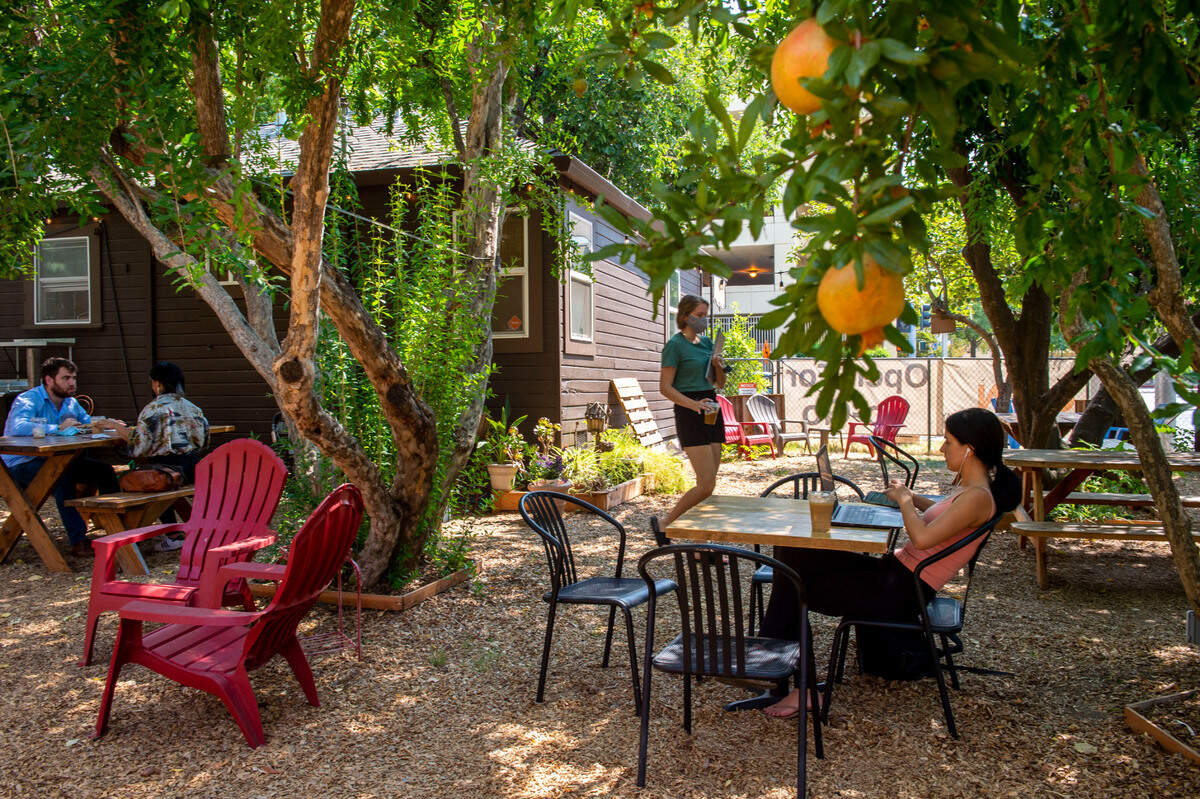
The cafe’s bountiful harvest is also rooted in an ugly chapter of Sacramento history marred by institutional and violent racism. Those trees represent more than just shade and ingredients to Monica Guillen. They’re memories of her father, a Filipino immigrant named Bonifacio Ulatan, who planted them in the years before and after his family members were forced from their home into a riverside tent.
“They’re daddy’s trees. He planted them. A bit of him went into each of them. And I still see him,” Guillen said.
A journey through racism
Ulatan immigrated from the Philippines to San Francisco at 18 with 50 cents, a suitcase full of clothes and an armful of fresh-cut bananas to sustain him throughout the month-long boat ride. He secured a trip up the Sacramento-San Joaquin Delta with a verbal IOU, settled in Isleton and found a job cutting asparagus, Guillen said.
After a decade in the region, most of it spent growing pears for Stillwater Orchards in Courtland, Ulatan met Violet Smith at the shoe store where she worked in downtown Sacramento. He was a sun-darkened Filipino laborer who looked like Louis Armstrong, granddaughter Kimberly Guillen said; Smith was a “Hollywood-gorgeous” World War II widow with blue eyes, fair skin and four children and who would eventually bear four more.
They fell in love, married and used Ulatan’s cash savings in 1943 to buy the two-bed, one-bath house at 630 3rd St., where Monica would be born two years later. They didn’t know what kind of neighborhood they were moving into.
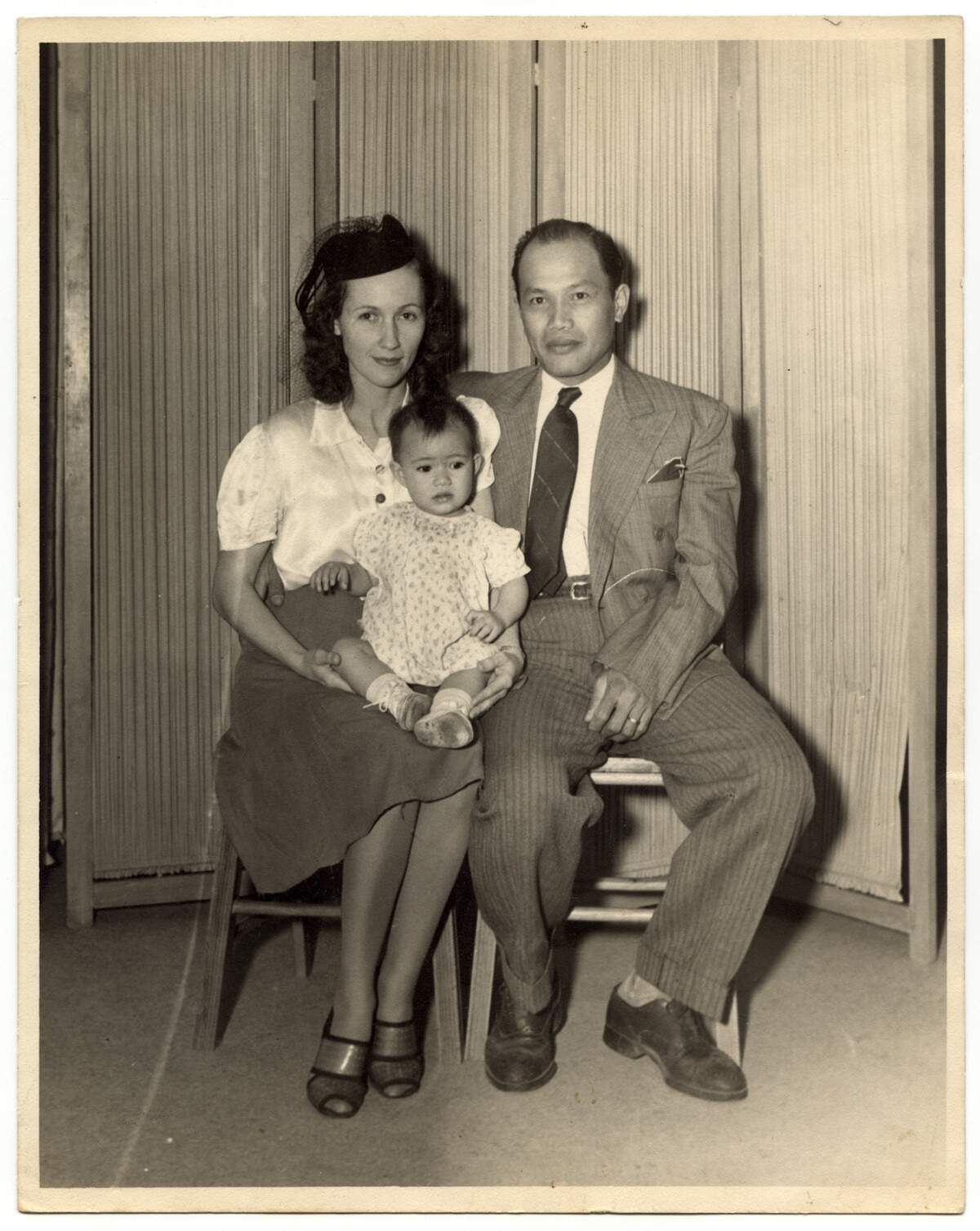
Guillen remembers hearing about a local judge who marched across 3rd Street, accosted her father, and told him, “There’s no way I’m living across the street from a monkey Filipino and his whore of a wife.” She remembers her half-brother walking backward to school with his coat tied around his waist, ready to fight back against whoever might try to jump the boy with the Filipino stepfather.
At Washington Elementary School (in what is now the Metro Place at Washington Square residential neighborhood), a kindergarten teacher regularly pulled Monica out of line and told the otherwise all-white class that she knew they were clean, but she had to inspect Monica “because this one might be dirty.”
One day in 1949, three of Monica’s siblings went missing. Bonifacio found them tied to a tree, surrounded by the judge’s sons and other neighborhood boys who were preparing to stone them, Monica said.
A restaurant is born
Monica is peppy at 76, a social butterfly and still a competitive soccer player who easily recalls decades-old stories. In her lifetime, pockets of Sacramento were that blatantly racist. To people who rebuke modern anti-racist movements like Black Lives Matter, she says: prejudice happens whether you see it or not.
“(Just) because it didn’t happen to you doesn’t mean it didn’t happen to somebody else,” Monica said. “(People say) ‘oh, I’ve never seen that.’ Well, good for you that you didn’t have to witness it. It doesn’t mean it doesn’t happen. All it means is you have had the good fortune not to have seen or experienced it.”
The final straw came in 1950, when the Washington School District was about to force Monica’s brother to repeat fifth grade for the fourth time. The family saw it as racial discrimination, but couldn’t move him to another school within the district.
So they moved out of the district, and the house. Bonifacio took a job at a 90-acre California Packing Corp. pear orchard where Linden Acres neighborhood is now, living among the other laborers in farmworker housing so that his son could get a West Sacramento School District education.
That left Violet and her five children in a tent by the Sacramento River for three months, canning peaches over campfires, until Bonifacio was promoted and could move his family into the supervisor’s cabin. Meanwhile, Monica’s brother who had been held back tested at an eighth-grade level and quickly rejoined classmates his own age.
The Ulatan family stayed in the supervisor’s cabin through Bonifacio’s retirement, renting out 630 3rd St. until the late 1970s.
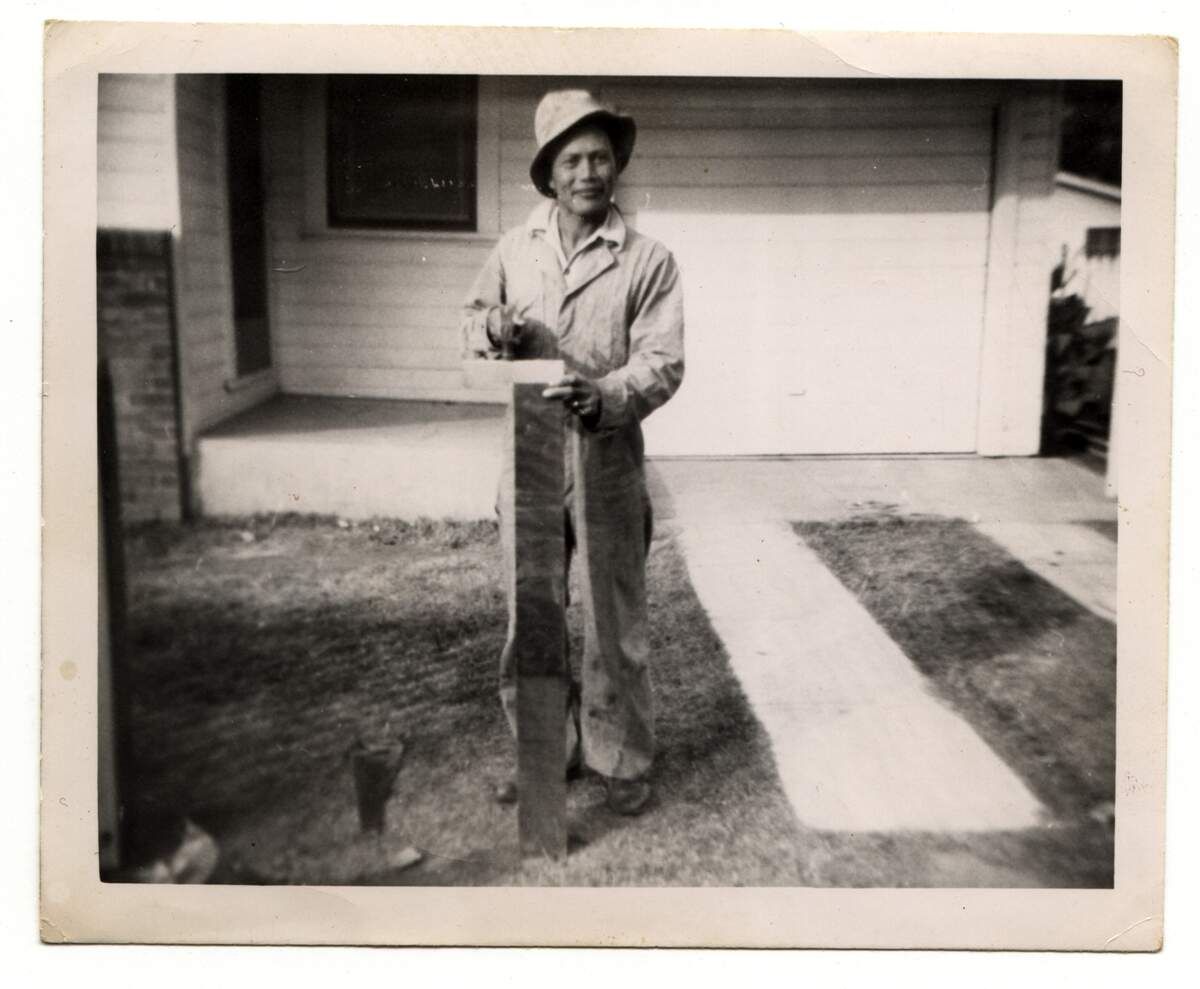
West Sacramento had changed by then, and the house became the family home once again. Various Ulatans lived there throughout the years, including Bonifacio and Violet up until their deaths in 1994 and 2000, respectively.
“The happiest moments of life I can recall were sitting on the stoops at my grandparents’ house,” Kimberly Guillen said.
The Guillens tried opening a restaurant of their own, Third Strike Cafe, at the house but closed it in 2015 after a year and a-half. Soon after, Davis shut down his rock ‘n’ roll Arden Arcade sushi joint Tokyo Fro’s and began searching for a new space.
He set about looking for a new space in midtown or downtown Sacramento, eventually stumbling upon 630 3rd St. through his real estate agent. It was across the Sacramento River from where Davis had been looking, but he was smitten. He called Monica and Kimberly for months, explaining his vision for incorporating the startlingly productive trees until a lease was signed.
“What (Ulatan) had done for the trees, and the amount of fruit that they harvest — it’s insane. The first year, we had more fruit than we had customers,” Davis said.
The family, in turn, appreciates the respect and care Davis and his staff give the trees. Those roots and branches are a living legacy of Bonifacio and Violet, and it’s not hyperbole to say they’re the product of the family’s blood, sweat and tears. Violet miscarried while pregnant with twins, and Bonifacio buried the unborn babies in lunch tins under the orange tree, Monica said.
“We love what Jeff is doing there,” Kimberly Guillen said. “For us, we had to find somebody very special to rent the property because we’re so emotionally attached to the trees. My mom and I go there and we get emotional.”
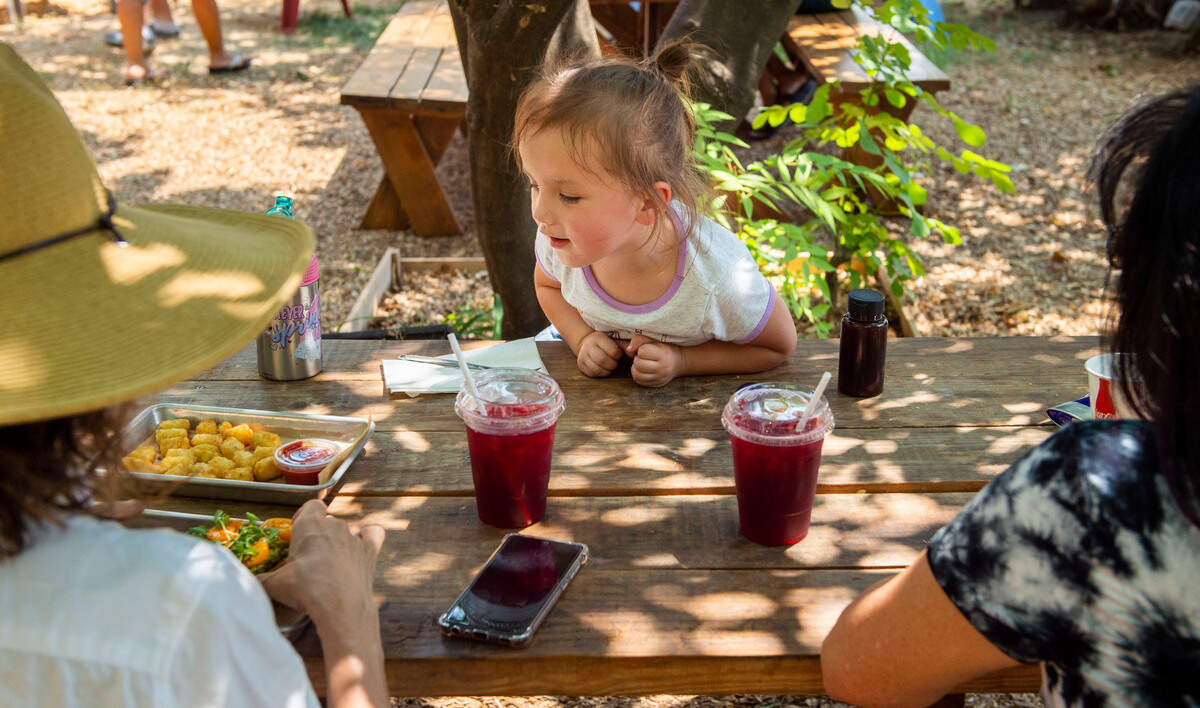
When the Guillens were running Third Strike Cafe, customers weren’t allowed in the unkempt backyard. Now, it’s a hallmark of Tree House thanks to the efforts of lead gardener Zachary Traynor. Here students and white-collar workers sip local beers or Temple Coffee drinks while plugging away on laptops in the fruit trees’ shade.
Carolina Reapers, ghost peppers, habaneros, jalapenos and sweet Italian peppers grow in planter boxes in Tree House’s backyard, near the stage where local musicians perform every week. Chef Shin sprinkles the boxes’ cherry tomatoes and basil atop avocado toast, and uses the San Marzano tomatoes to make spreads for paninis like the Double Dragon, filled with pulled pork, jalapenos and charred scallion remoulade.
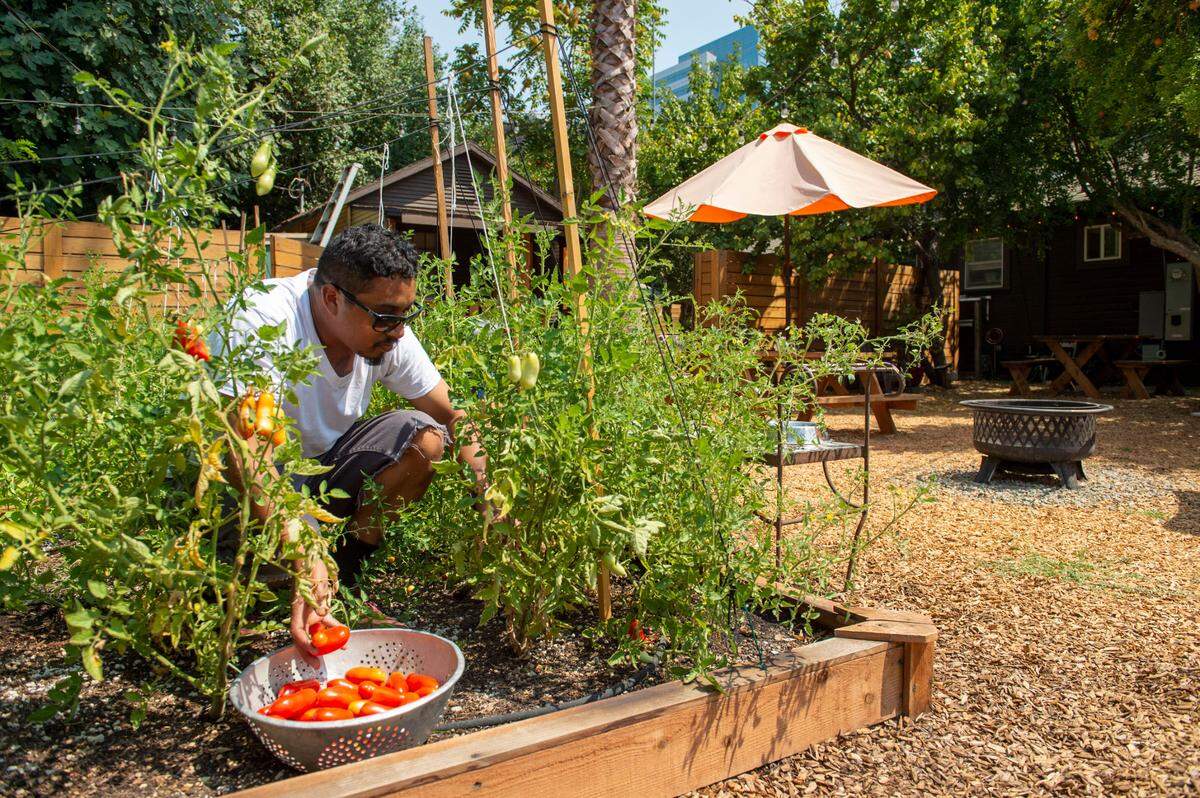
After nearly 80 years, the Ulatan family is getting ready to move on from 630 3rd St. Tree House Cafe’s rental agreement includes an option to buy, which Davis says he plans on exercising. He’s also in the process of buying a house a block away, where he’ll live and grow more San Marzanos for pizza sauce for his upcoming midtown restaurant Fro’s.
“I love the tradition of papa’s trees and plants, and I hope I can keep those trees and plants there,” Davis said. “Fifty years from now, no matter who’s carrying the torch, I hope they treat it the same way I do. It’s extremely cool, because now I feel like I’m part of this family.”
This story was originally published September 9, 2021 at 5:00 AM.