
Aid to restaurants struggling through COVID pandemic is moving through Congress
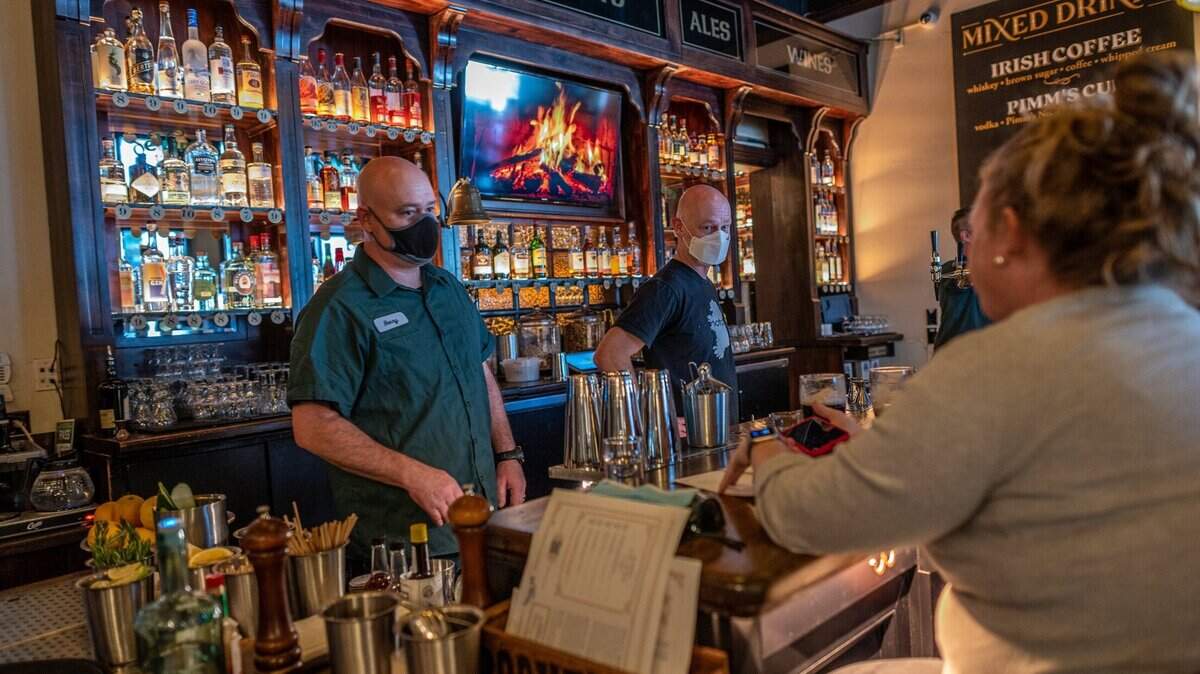
The House of Representatives wants to keep your favorite local restaurants going, restaurants that have struggled to survive during the two years since COVID-19 ravaged their businesses.
So on Thursday, the House voted 223 to 203 to add $42 billion to the federal Restaurant Revitalization Fund as well as another $13 billion to help a variety of small businesses.
The fund was established last year, and its $28.2 billion was quickly claimed. In California, 15,988 restaurants got $5.7 billion worth of help.
But 20,391 restaurants in the state that the government considered qualified for help got nothing.
If the new fund is approved by the Senate, “we’d have the resources to survive,” said David Nayfeld, a San Francisco restaurant owner and member of the Independent Restaurant Coalition board of directors. The coalition was the driving force behind the legislation.
Customers are unlikely to see any instant or obvious changes if the money starts flowing. The impact, he said, will be more subtle–better pay for employees, longer hours, less debt.
“Survival,” he said, when asked about the biggest effect of the money.
Restaurants want pandemic help
California restaurants are continuing to deal with the effects of the pandemic, but “particularly worrisome are the restaurants still trying to catch up on rent payments for months when their restaurants were not fully operating,” said Sharokina Shams, vice president, public affairs at the California Restaurant Association.
Paying debt remains difficult, she said,”when your hours and days of operation continue to be impacted – by staffing shortages that can be attributed to the pandemic, all while menus and costs have been impacted by supply chain issues.”
In Washington Thursday, most of the opponents questioned further government spending, arguing that it could help stoke inflation. Prices in February were up at their steepest annual pace in 40 years.
The bill “is not going to help restaurants and small businesses,” said Rep. Michelle Fischbach. R-Minn. “But of course that is not the Democrats’ intention anyway.”
Democrats, she said, want to use the legislation “as a talking point to distract from their failed policies.”
Some raised questions about the source of the funds. Democrats said the money would come from recovering payments involving pandemic-related fraud. Fischbach said the bill was “not immediately or responsibly paid for.”
The vote was largely partisan. Six Republicans, including Rep. Jay Obernolte, R-Hesperia, joined 217 Democrats in voting yes, while 199 Republicans and four Democrats voted no.
This story was originally published April 8, 2022 at 5:00 AM.
.jpg)