
Beware of the distasteful word: Sacramento’s spice shop embraces lime the right way
Want more food news? Sign up for the Food & Drink newsletter at sacbee.com/foodnews to get your weekly fill.
A rose by any other name might smell as sweet, but a certain leaf’s floral flavor gets soured when referred to by an antiquated, racist name.
The term “kaffir lime,” used to describe a wrinkly green citrus with fragrant leaves often added to Southeast Asian dishes, has largely disappeared from U.S. food media over the last eight years in favor of “makrut lime.” That’s because “kaffir,” taken from the Arabic word for “infidel,” became a slur for Black people during South Africa’s apartheid era. South Africans today refer to it as “the k-word,” and it’s considered so offensive that use of it can result in jail time.
Sacramento remains a few years behind the cutting edge. Menus all over the region, from Taste of Angkor in South Sacramento to Thai House Restaurant in Loehmann’s Plaza to Manaao Thai Cuisine in West Sacramento, list kaffir lime leaves as ingredients.
Much of Southeast Asia still describes the limes as kaffir, and staff at many of those restaurants have known the fruit under that name their whole lives. English comprehension can be a barrier, too.
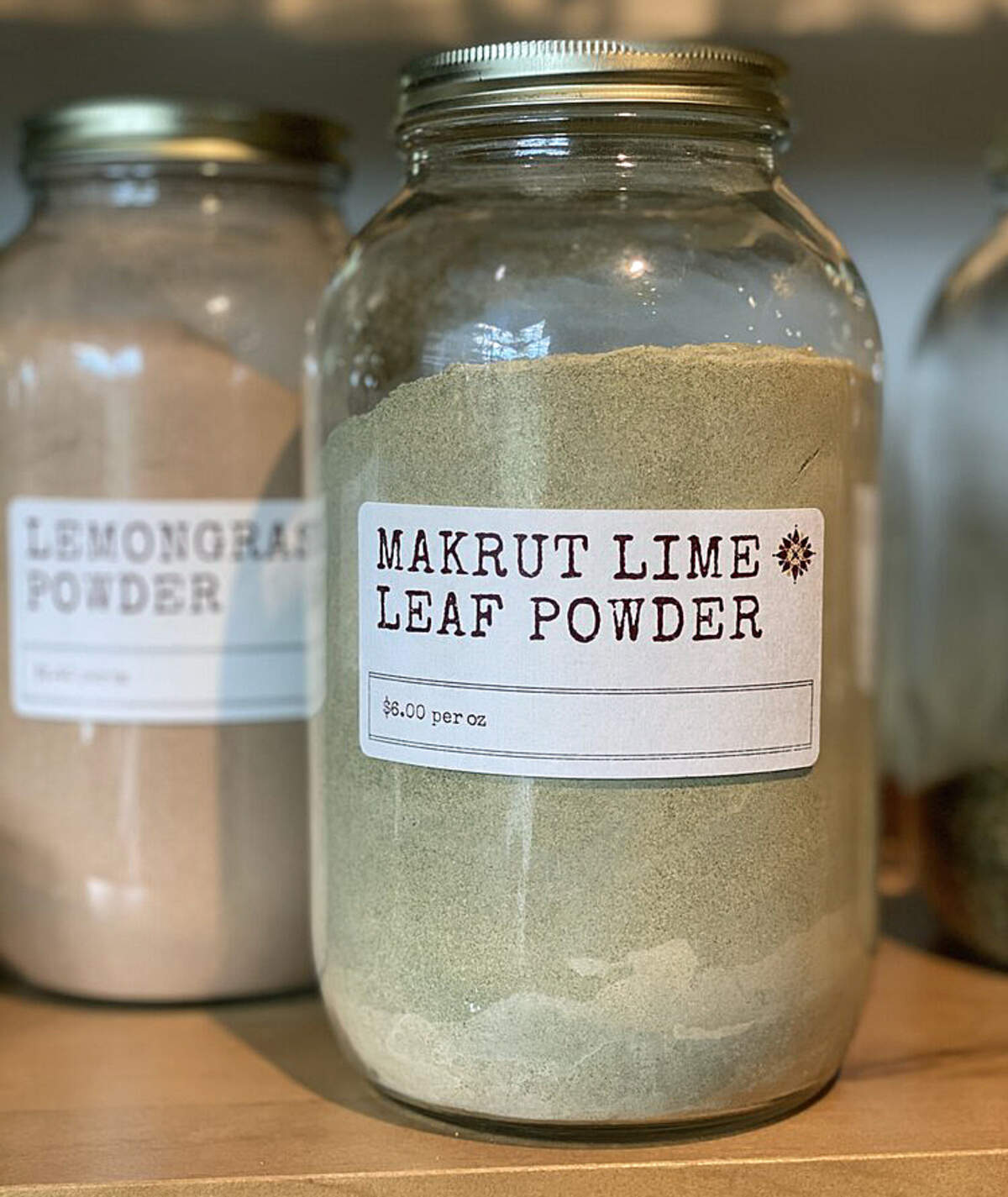
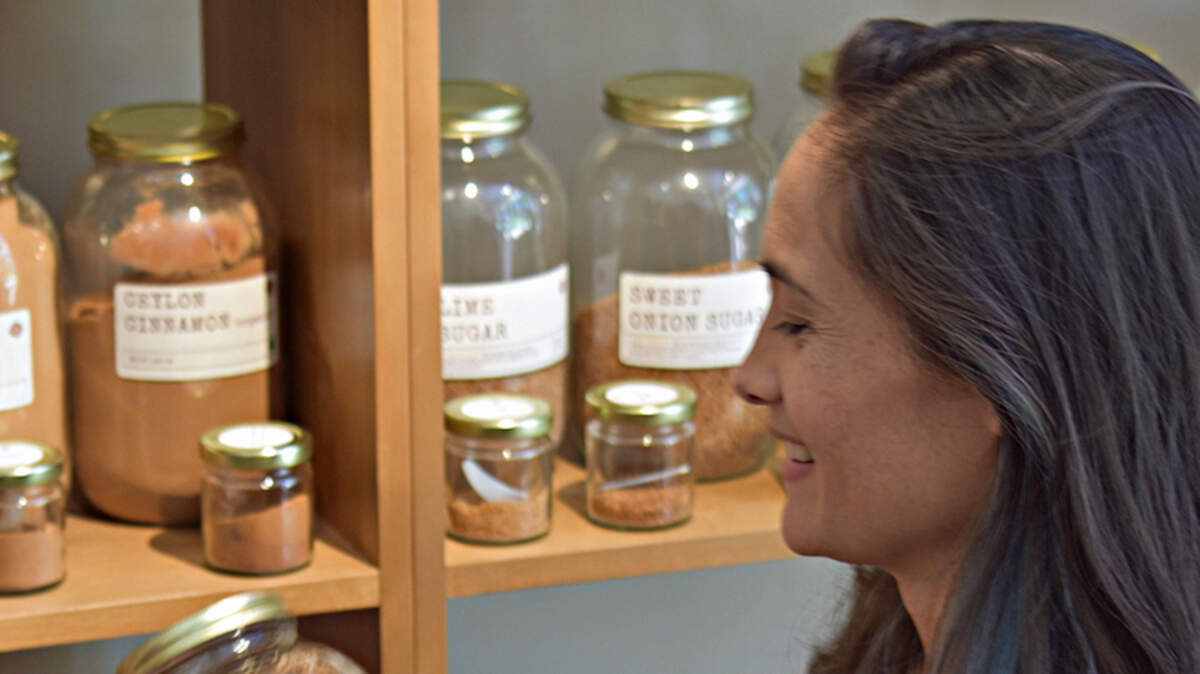
But more restaurateurs (and home cooks) would do well to follow The Allspicery’s lead in dropping “kaffir” for “makrut.” Heather Wong’s beloved Downtown Sacramento spice shop labeled a popular grind as kaffir lime leaf powder up until two or three years ago, when a customer explained why people might take offense.
Now, when customers ask for kaffir powder, Allspicery staff walk them through the logic behind calling it makrut “in a way that’s not intimidating or annoying,” Wong said. There’s also a short explanation on The Allspicery’s website for anyone who might order the powder online.
“The intent of our shop is to make spices accessible and meaningful and available to everyone who wants them, and if any of our spices are impeding that process and making people uncomfortable, we try to rectify it right away,” Wong said.
Many customers have learned something new, but none have resisted the name change, Wong said. It’s an ongoing educational process: her supplier in Thailand still lists the leaves under their old name. That’s why Wong suggests people speak up if they see an offensive term on a menu or grocery store shelf, but assume the best intentions.
“If they see stuff like this on menus, there’s a chance for education,” Wong said. “If you try to go about it in a graceful way, most of the time people are open and receptive to feedback.”
What I’m Eating
Longtime Sacramentans are probably familiar with Célestin’s Restaurant, but might not know Patrick and Phoebe Celestin’s Creole outpost in its current form. It opened at 25th and J streets in 1983, later moved to 1815 K St. (currently home to The Porch Restaurant & Bar) before shutting down in 2011 and reopening at 3610 McKinley Blvd. in 2018.
For all the changes to Sacramento’s dining scene since 1983, Célestin’s solid reputation and long on-and-off tenure haven’t inspired many imitators. It’s still one of the region’s only restaurants to specialize in Caribbean food, particularly dishes such as griot ($13 as an appetizer or $17 with red beans, rice and a cucumber-tomato salad as an entree) from Patrick Celestin’s native Haiti.
Célestin’s griot involves marinating pork chunks in orange and lime juice before braising them with habaneros and deep-frying to form a crispy shell around the meat. The meat is served with an acidic pink Haitian hot sauce called ti-malice — add this to most everything — and a pair of tostones (fried plantains).
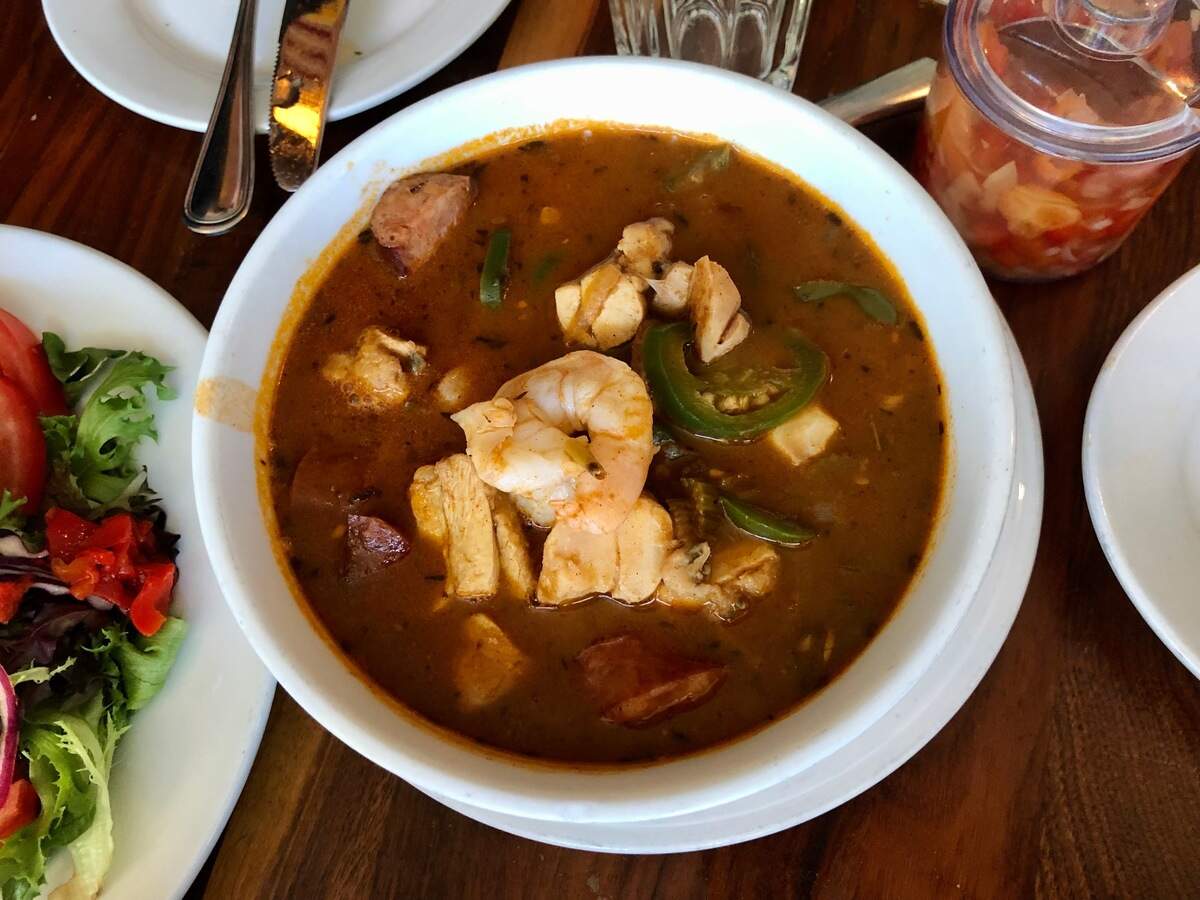
Gumbo ($26) is Célestin’s flagship dish, packed with chicken, wild snapper, shrimp, kielbasa and scallops (there’s an all-seafood option as well). Yet the fish was even better in the Brazilian-style Pacific snapper ($19), tender to the tooth in a piquant mix of coconut milk, tomato sauce and lime juice.
My friends and I washed it all down with margajitos ($8 a glass, $21 a pitcher), an imitation margarita/mojito hybrid actually made with white port and moscato. Muddled mint, lime juice, those sweet wines and a whole lot of ice came together beautifully for blissful summer refreshment.
I’m now posting Sacramento food and drink content to Instagram under the handle @egeleats. Follow along for more bites and drinks that don’t make it into the newsletter!
Openings & closings
- You’ll definitely find me at South, N’Gina Guyton’s soul food spot in Southside Park, before it shuts down at the end of June. Guyton is planning to open a new restaurant called Miss N’Gina in midtown or downtown Sacramento around the end of summer.
- Dan and Kate Lowrance just opened Camerado Brewing’s pint-sized taproom at 2650 Cameron Park Drive, Suite 370, in Cameron Park. It’s the second El Dorado County craft beer bar to open in recent weeks, following Nectar at the Villa’s launch at 3905 Park Drive in El Dorado Hills.
- Juju Kitchen & Cocktails, a new downtown Sacramento concept from The Press Bistro’s former chef/owner David English, opened June 1 at 1501 L St. All food comes on $7 small plates (think harissa-coated grilled chicken bites, corn-Parmesan arancini or beef barbacoa tacos), and most options are gluten-free.