
Inflation is driving up prices at Sacramento restaurants — from $13 bread to Selland’s weekly deal
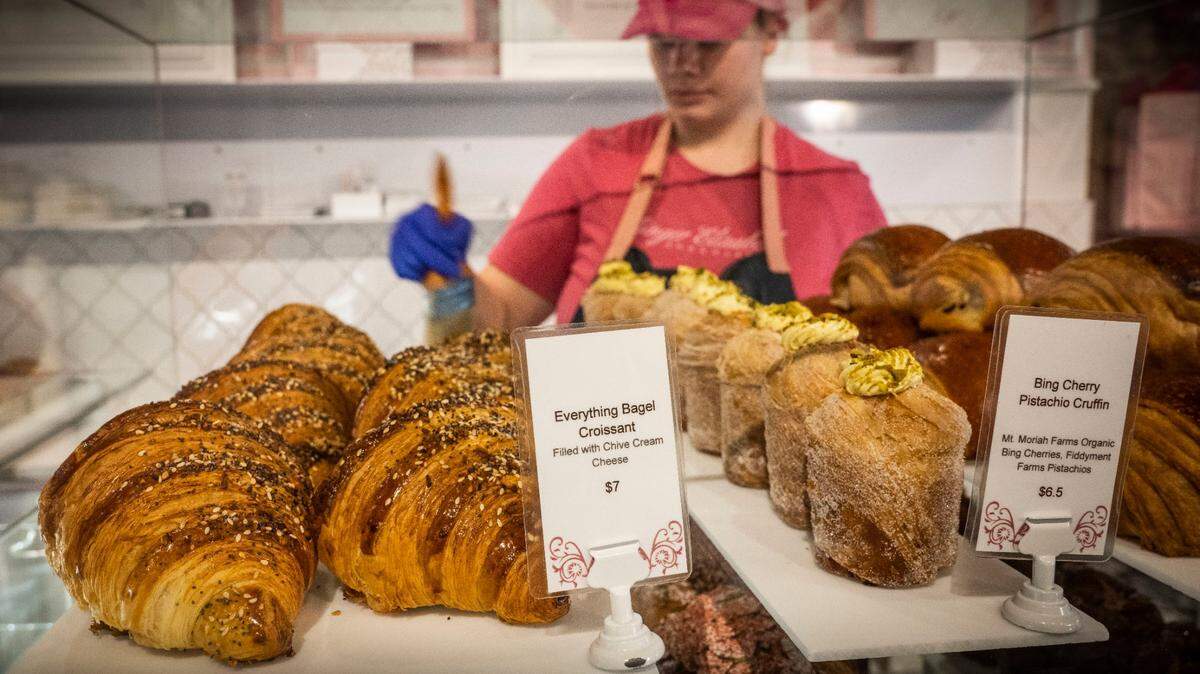
Selland’s Market-Cafe’s 2 for $25 deal was a pre-pandemic weeknight dining staple for customers near the East Sacramento, Land Park and El Dorado Hills restaurants.
Each Market-Cafe location (along with sister restaurant OBO’ Italian Table & Bar) paired two servings of a certain special with a select bottle of wine for a date night steal. Entrees varied — chicken fettuccine Alfredo with crispy shallots, say, or macaroni and cheese topped with pork carnitas — but the price remained steady since the offer was introduced in 2008.
That is, until 2019, when the deal suddenly became 2 for $29. It rose again earlier this year to $32 — still a bargain, but a sign of rising costs across the board.
The U.S. rate of inflation reached a 40-year high in June, and Sacramento’s food scene hasn’t been insulated. Prices are up at restaurants throughout the region, from local bakeries to humble takeout spots to dinner destinations such as Selland’s Market-Cafe and OBO,’ where the weekly special was an especially obvious sign of the times.
“We have the same struggle as everybody else. You’re trying to control food costs and what happens with the supply chain, and the two of those things together are impactful,” said Selland Family Restaurants CEO Josh Nelson. “There’s no silver bullet, just a million little things you have to do to keep it from eating at your bottom line.”
Food prices rose by 10.6% in the Western U.S. from June 2021 through June 2022, according to the Bureau of Labor Statistics. Costs have steadily climbed at California grocery stores, and eating out isn’t any cheaper.
Loaves of bread now cost $13 at Faria Bakery in North Oak Park, a reported casualty of the rising cost of flour. Dona Mari Cocinita, a popular taco truck that often posts up near the intersection of Franklin Boulevard and 47th Avenue, raised prices across the board in May for the first time since opening four years ago, citing “the outrageous price increase” from suppliers in an Instagram post.
Jen Kitchen, a casual to-go Chinese restaurant near Hollywood Park, has scrawled its expansive menu on butcher paper on the wall facing the register. All prices have been crossed out; the staff directs customers to takeout menus, where everything is 25 cents to $1 more than previously advertised.
The cost of cooking oil has doubled since new management took over Jen Kitchen two years ago, general manager Alex Jiang said. Chicken breasts have tripled, and the restaurant’s PG&E bill is up 30%.
Customer reactions to the increases have been mixed, Jiang said.
“Some of them understand, and some of them complain. Nothing we can do,” he said.
New prices at Sacramento Chinese restaurant
The takeout-only Chinese restaurant’s relatively limited volume exacerbates those price increases. Chains can place mass orders; the smaller the operation and storage space, the more costly an order per item.
“When (larger restaurants) purchase supplies, they can get (them) in bulk. And when we do it, we only do it once or twice a week in smaller amounts,” Jiang said. “Suppliers tend to give you a discount if you purchase 10 boxes of chicken instead of one.”
Wages are another issue. The minimum wage rose a dollar to $14 per hour at the start of the new year, which Jiang said has hurt Jen Kitchen’s bottom line. Restaurants that pay more than minimum wage have another issue: they’ve been driven into a bidding war for talented, dependable cooks and other personnel as the industry-wide staffing shortage persists.
Ginger Elizabeth Chocolates and Ginger Elizabeth Patisserie in midtown Sacramento have increased their wages 25-30% across all positions over the past two years, owner Ginger Elizabeth Hahn said.
“It’s all about getting employees who want to work, who need a job, who have a skill set and want to bring something to the table,” Hahn said. “That’s super hard to find, so to be anywhere near competitive, you just have to keep raising wages.”
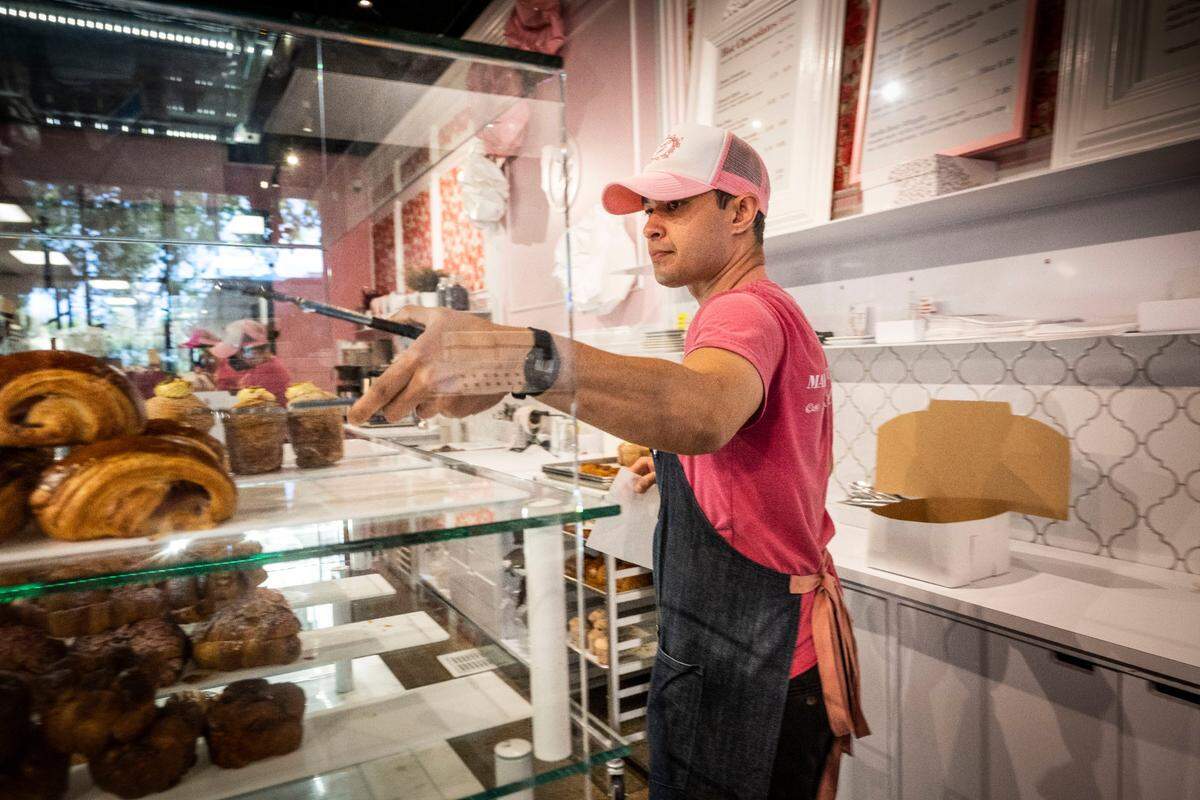
Cooking classes at Ginger Elizabeth
Menu prices may be up, but often not as much as supply costs. Many restaurateurs have resisted passing the full of their rapidly-rising expenses off to customers, afraid eye-popping bills will scare them off.
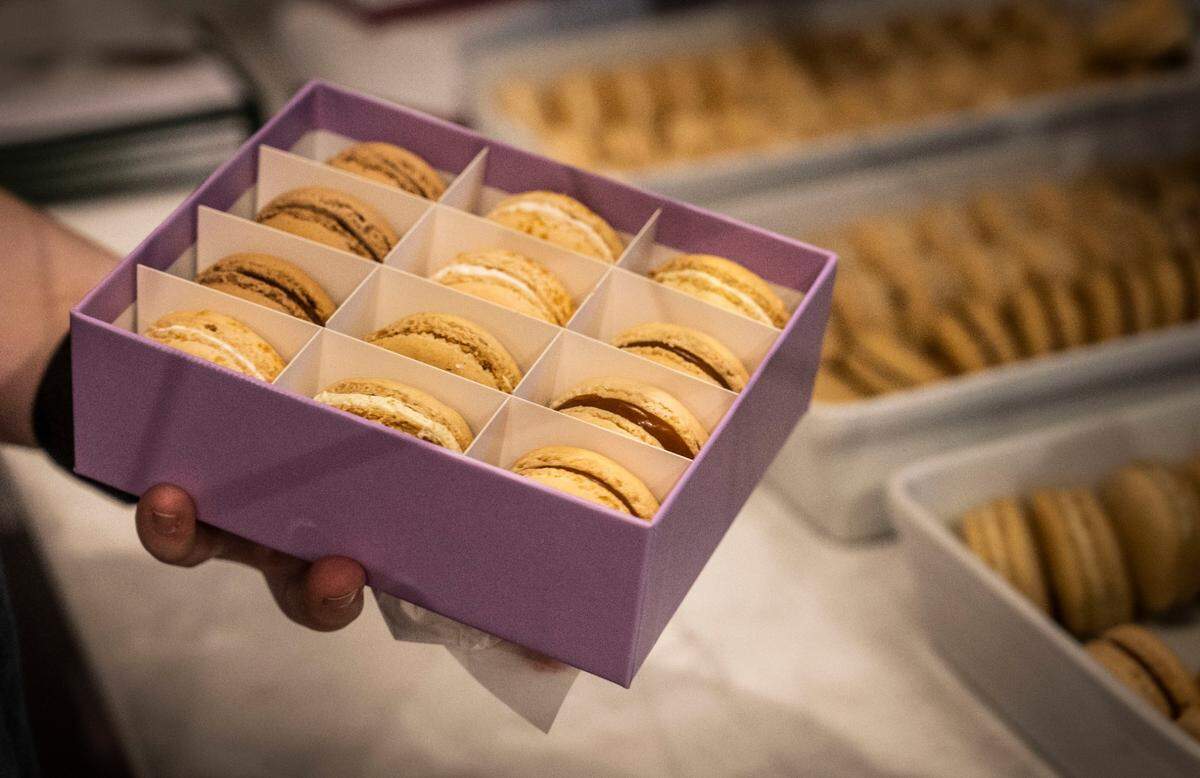
Ginger Elizabeth Patisserie gets about 200 pounds of butter per week from Willows-based Sierra Nevada Cheese Co. and a couple hundred pounds of ham per month from Fra’Mani out of Berkeley; the cost of each rose 30-50% two months ago, Hahn said. Yet the French-inspired bakery has only hiked the price of macarons or chocolates made at its sister shop by 25 cents apiece, in part because many pastries are already $5-$8.
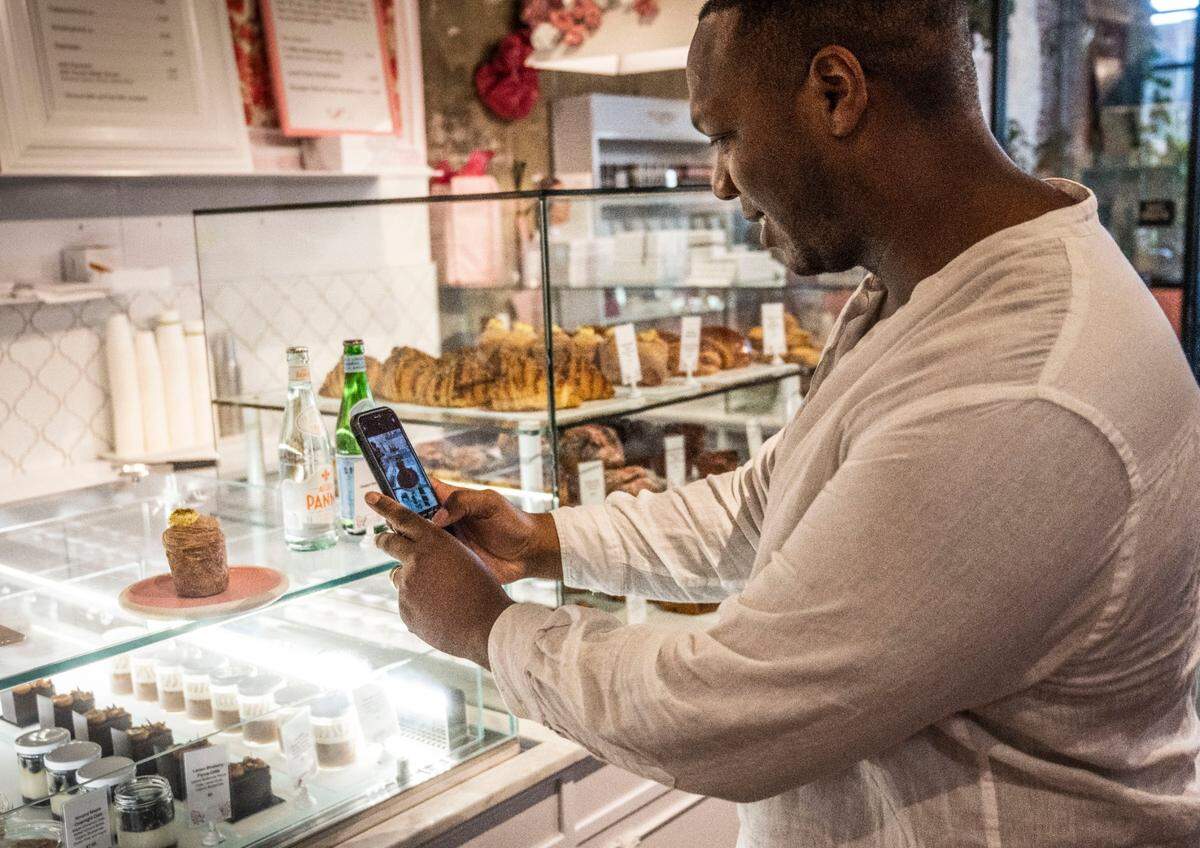
Hahn has instead begun offering cooking classes, hoping to drum up some additional revenue that way. Ginger Elizabeth is also expanding its lunch options, a passion project inspired by what the Hahns eat at home (Ginger’s husband/business partner Tom previously worked at The French Laundry and Manresa, both of which have three Michelin stars) as well as economic opportunities.
Still, Ginger Elizabeth anticipates at least a 30% drop in profits this year, Hahn said. That’ll come out of the owners’ earnings, and also means less money to pour back into the business for future projects.
If there’s a silver lining to raised food costs and tough economic times, it’s forced innovation, Hahn said. Few people wanted Ginger Elizabeth Chocolates’ truffles when the shop opened in summer 2008. So Hahn started making ice cream and slid it between jumbo macarons, creating the macaron ice cream sandwiches that quickly propelled her operation to local fame.
“I hate the word ‘pivot’ because we did it so much during COVID, but it’s a true statement. You don’t get to just open the store and have it go the way you wanted,” Hahn said. “Sometimes through mistakes and hard times, you can create the best of things ... something great will come out of this time, for sure.”
This story was originally published August 12, 2022 at 5:00 AM.