
Yemeni coffee? Sea moss butter? These food trends are on Sacramento’s horizon in 2025
Sacramento’s next food craze will be regional Central American dishes — or dried limes, or all-you-can-eat tacos or a Southeast Asian herb similar to coriander. It all depends on who you ask.
No crystal balls exist to forecast changes to Sacramento’s dining scene in the year to come. But insight from a trio of local chefs, plus one food influencer on the cutting edge, forecast a bevy of changes in 2025 — some small, others seismic.
The year ahead promises continued invention, along with reversion to some older techniques and business models. Some changes are already underway.
Old coffee — and more — done anew
The coffee industry that powers the U.S. originated in Yemen in the 15th century, yet Yemeni coffee — a more earthy, rustic version of Italian or American drinks — only began spreading from Detroit to the rest of the country within the past year or two. Franchisee Najla Althaibani opened the first Sacramento area’s regional cafe, Qamaria Yemeni Coffee Co., in Folsom in July, followed by Qisa Coffee in Curtis Park and Sana’a Cafe on The Kay downtown.
As in other U.S. cities, these cafes have become third spaces for many Arab Americans and cultural curiosities from non-Arabs. Sana’a Cafe stays open until 11 p.m. or midnight seven days a week, and is often full deep into those hours, a nonalcoholic late-night hangout for people who might for eschew drinking for religious, health or other reasons.
Yemeni cafes’ food options tend to differ from Starbucks or Peet’s, too. Qisa Coffee founder Abdul Aziz first charmed customers by hawking Turkish delights and Narnia-like lokum at his farmers’ market coffee stand, and those sweets are now available in the brick-and-mortar store. Qamaria’s colorful cakes made with pistachio, saffron and knafeh light up the display case.
Non-Yemeni cafes, meanwhile, have gravitated toward more ambitious food menus. Localis sous chef Polo Adamo was wowed earlier this year by La Costa Cafe, which specializes in ceviche in Boulevard Park, and Scorpio Coffee, a Japanese-influenced Richmond Grove cafe that serves items such as koshikari rice with flaked salmon, wakame and green tea dashi.

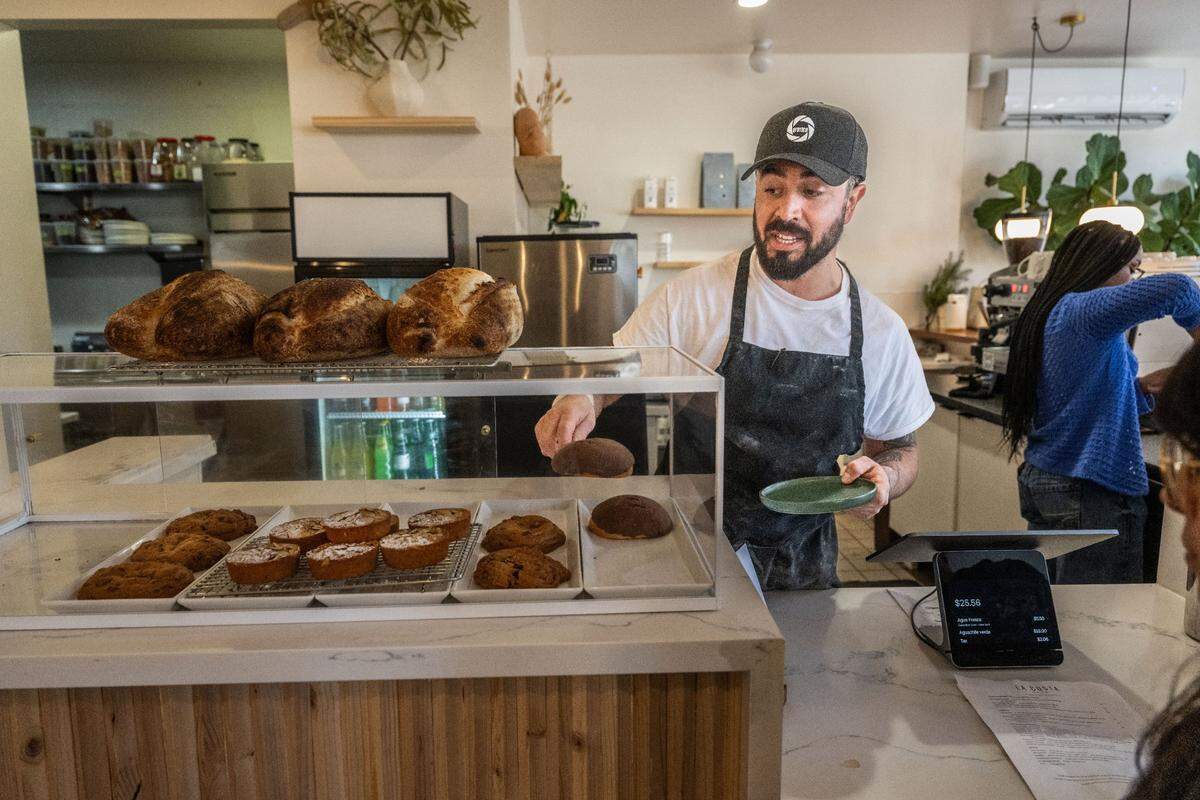
His Michelin-starred restaurant purchased Betty Wine Bar & Bottle Shop a month ago in Southside Park, and has already rolled out a number of changes, including 9 a.m.-9 p.m. service with daily-rotating coffee. While Adamo isn’t involved in Betty’s operations, he’s already a fan.
“That’s the kind of restaurant I’ve wanted forever — more than a coffee shop, less than a full restaurant, something where I can go in, get something to eat and bounce,” Adamo said. “A hybrid restaurant where it’s a coffee shop or wine bar with food that’s approachable and done really well? I think that’s going to be big. I think that’s what people want.”
Key ingredients
Tyler Bond works in Old Sacramento these days as a culinary advisor to Armenian American steakhouse V’s Paradise. Yet he’s thinking ahead to his eagerly-awaited contemporary Asian restaurant Chu Mai (opening Jan. 29 in partnership with Kru’s Billy Ngo), where customers will be introduced to ingredients such as rau ram.
Often referred to as Vietnamese coriander but unrelated to that namesake herb, rau ram’s long, peppery leaves are regularly eaten fresh in fish stews and chicken salads. Though it’s a bit hard to find now, that could change in the year ahead, Bond said.

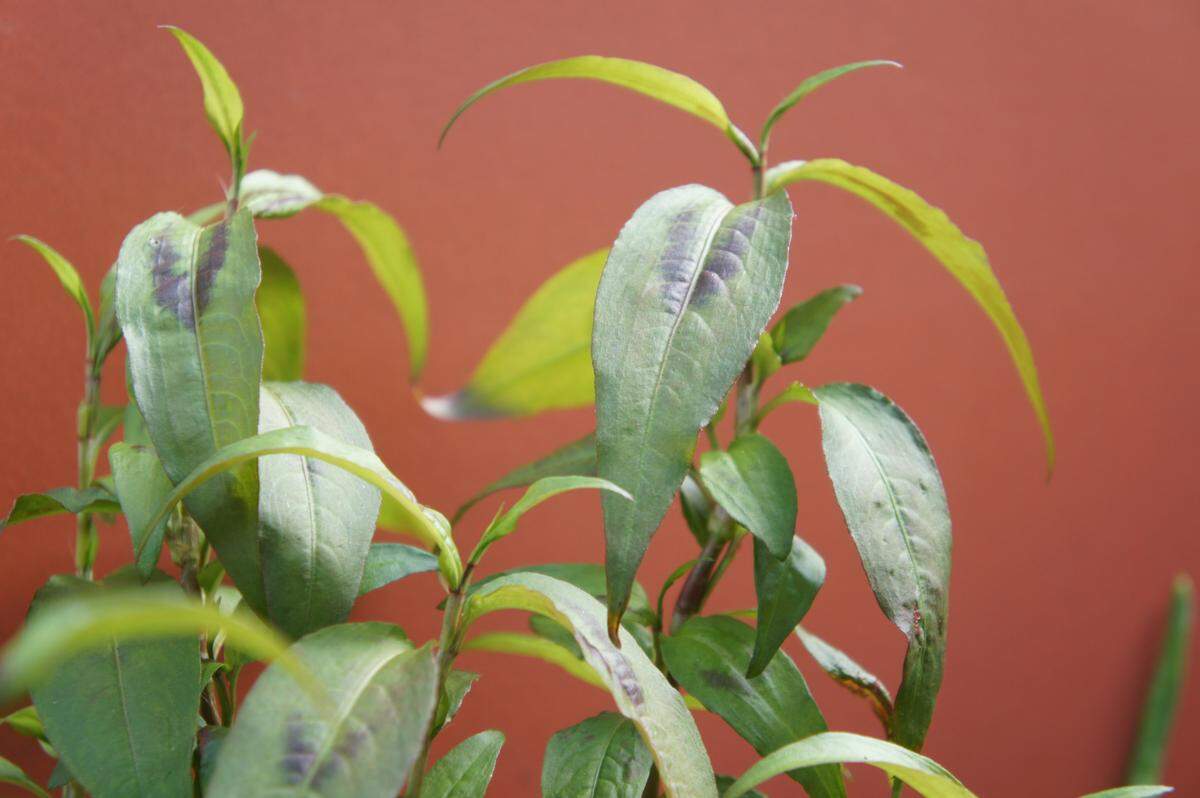
“It’s one of those specialty ingredients you have to get at those nice Asian markets on Stockton Boulevard or Fruitridge Road, and it’s an herb that you can eat with all Vietnamese food as a garnish or in a salad or whatever,” Bond said.
Social media can often drive the next food trend, and feeds around the U.S. are full of people playing with butter — making it from goat’s milk, infusing it with spices or even adding sea moss for claimed health benefits, said Cassandra Ng, a West Sacramento-based food blogger and influencer (@eatwcass on Instagram and Tik Tok).
Dried limes’ eye-catching rind and unique flavor may make it viral in 2025, she said. Often used to flavor Middle Eastern soups and stews, they’re smokier and tangier than the Persian limes widely available in produce aisles and have a distinctive gray-black exterior.
Some home cooks already deploy dried limes or rau ram in traditional recipes. The gap between amateurs and pros continues to shrink, said Adamo, who’s been impressed with the techniques and knowledge of his friends outside the industry.
“I’ve seen home cooks are going through another phase of trying more advanced things. People are making stuff at home, and it’s like restaurant-quality stuff. And then the home cooks who were already at a little bit higher level, they’re going up another step.
They’re starting to use stuff like Xantham gum and vacuum seals, which is fascinating. People are making not just apple tarts but things like leek tarts, and plating at home because they want to make it look nice. That’s like a restaurant. You’re restaurant cooking.”
Big is back
Tired of mass tapas-ification, where shareable small plates end up accruing a big bill? Don’t worry: the pendulum may be swinging back.
Restaurants are returning to the basics of starch, protein and vegetables on a plate, rather than $14 dishes where everyone at the table gets two or three bites, Adamo said. Those heftier, more expensive dishes may still be intended to split, but they’re designed to better satiate diners.
Look for simplicity to shine through on those plates, said Jeana Marie Pecha, the executive chef and owner of Omakase Por Favor in Lincoln and, as of November, midtown Sacramento. Pecha spent Christmas in Los Angeles, where she saw chefs pushing forward excellent ingredients in their purest forms, letting them stand tall with only an accompaniment or two nearby.

That’s the case at Cantina Pedregal, a Northeastern Mexican fine dining concept in Folsom that was one of the Sacramento region’s hottest openings in 2024. Multi-person platters of grilled chicken or carne asada rib eye are simply served with scallions and salsa roja or sweet garlic puree.
“It’s not so much about having 45 different pieces of food on the plate, but having two to three that are done really well,” Pecha said. “We had that big gastronomy push where it’s, like, foams and salts and ‘can you do a carrot 10 different ways?’ I think we’re coming past that and going into (a trend of) a lot less ingredients and a lot less touches on the place, and just making sure it’s really good.”
Sacramentans will also be able to feast to their hearts’ content at more all-you-can-eat options, Ng said. All-inclusive Brazilian steakhouses, hot pot joints and Korean barbecue restaurants continued to open across the region in 2024.
When Tacos 34 expanded from a food stand to a downtown full-service concept called Thirtyfour Mexican Cantina, co-owner Serapio Nambo and his family introduced all-you-can-eat Fridays, a smorgasbord of carnitas, guacamole, mini quesadillas and more. For Ng, it was a novel approach to this specific cuisine.
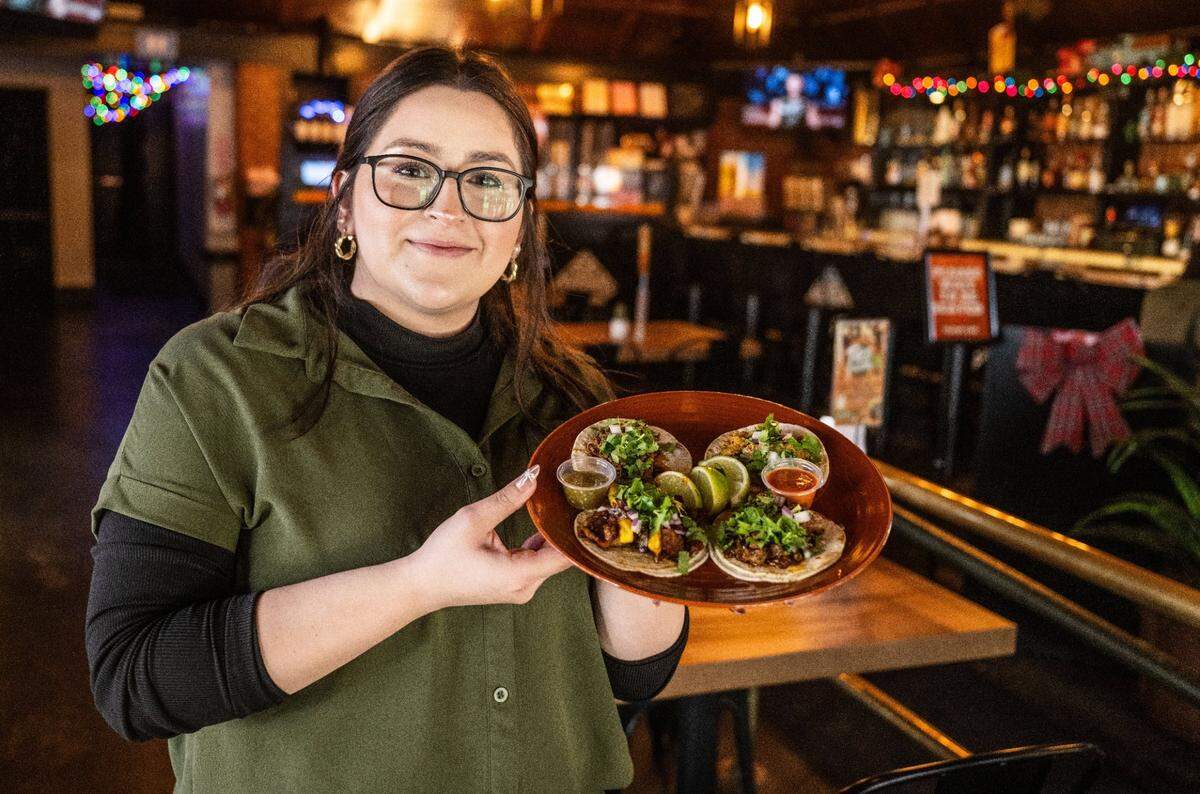

“I really loved their food already, and an all-you-can-eat option is really interesting because you don’t see that with a lot of Mexican places,” Ng said. “They’re trying to expand because they’re a small family business, and I think that’s really a good way for them to stand out from the crowd.”
The next hot cuisine is ...
Staple ingredients from an array of Asian countries have become commonplace in many cooks’ kitchens. The New York Times’ cooking section has recipes for gochujang-boosted butter noodles, potato stew and caramel cookies, and few issues of Bon Appetit lack the word miso, whether using it to add umami to fish, glazed carrots or mushroom risotto.
Casual diners discovered the differences between Chinese and Vietnamese cuisines. Then they learned how to tell Northern and Southern Thai dishes apart, Adamo said. Their hyper-fixation on that part of the world seems to have reached its saturation point, he said, along with Sacramento’s booming pizza scene.
Next up: Central and South American food. Adamo anticipates people gaining a better understanding of cuisines in small, oft-overlooked countries such as Guatemala or Honduras.
As it stands now, those foods are mostly locally limited to homes and a few all-encompassing restaurants such as El Boritracho, which began serving Nicaraguan, Honduran, Puerto Rican, Salvadorean, and Mexican food in Citrus Heights in 2023. Yet Chicha Peruvian Kitchen and pupusa-serving Zoe Coffee & Tacos’ 2024 moves to the grid offer hope that the limelight is coming.
“It’s always been like, ‘oh, yeah, empanadas, that’s from ... somewhere,” Adamo said. “But now you have places like Zoe Coffee & Tacos or La Costa ... I think we’re going to start seeing more some South and Central American, (whether) it’s Peruvian or Brazilian or Colombian.”
Behind-the-scenes changes
Bond broke into restaurant cooking in 1997 because he was, in his own words, a high school misfit who saw a community of other misfits. Some were students, some lacked a formal education and some had criminal records.
He’d like to hire the next generation of line cooks and servers at Chu Mai. But as at Lemon Grass Restaurant, where he was previously a partner, it’s been challenging to find employees that buy into a team atmosphere.
“I’ve seen a decline like I’ve never seen before in my whole career in quality employees wanting to work in the restaurant industry,” Bond said. “I’m hoping that we see a trend of people that love working. They love working with the team. They love focusing on their job. I want to see youth that want to be chefs again, that pick out a restaurant to work with that chef, to work with that team, to soak up that stuff.”
Restaurant cooking is a demanding, often punishing career with few formal benefits. And while some restaurants add surcharges to fund their employees’ health care or pay their line a bit more, those add-ons are often unpopular.
A 2024 state law threatened to eliminate such surcharges before being altered to exclude restaurants from a group of affected businesses that included ticket sellers and short-term rentals. Still, restaurants eager to build loyal customers will choose not to bake in hidden costs, Pecha said.
“I think that after 2024, people are really looking for restaurants they can trust. Guests are looking for transparency, so I think we’re going to see a lot of the hidden fees on bills being taken off, the extra gratuity being taken off,” Pecha said. “That’s something that we’ve been doing, and I just see more and more people craving that.”
This story was originally published January 3, 2025 at 5:00 AM.