
From France to Woodland, a family cooking oil business La Tourangelle takes root
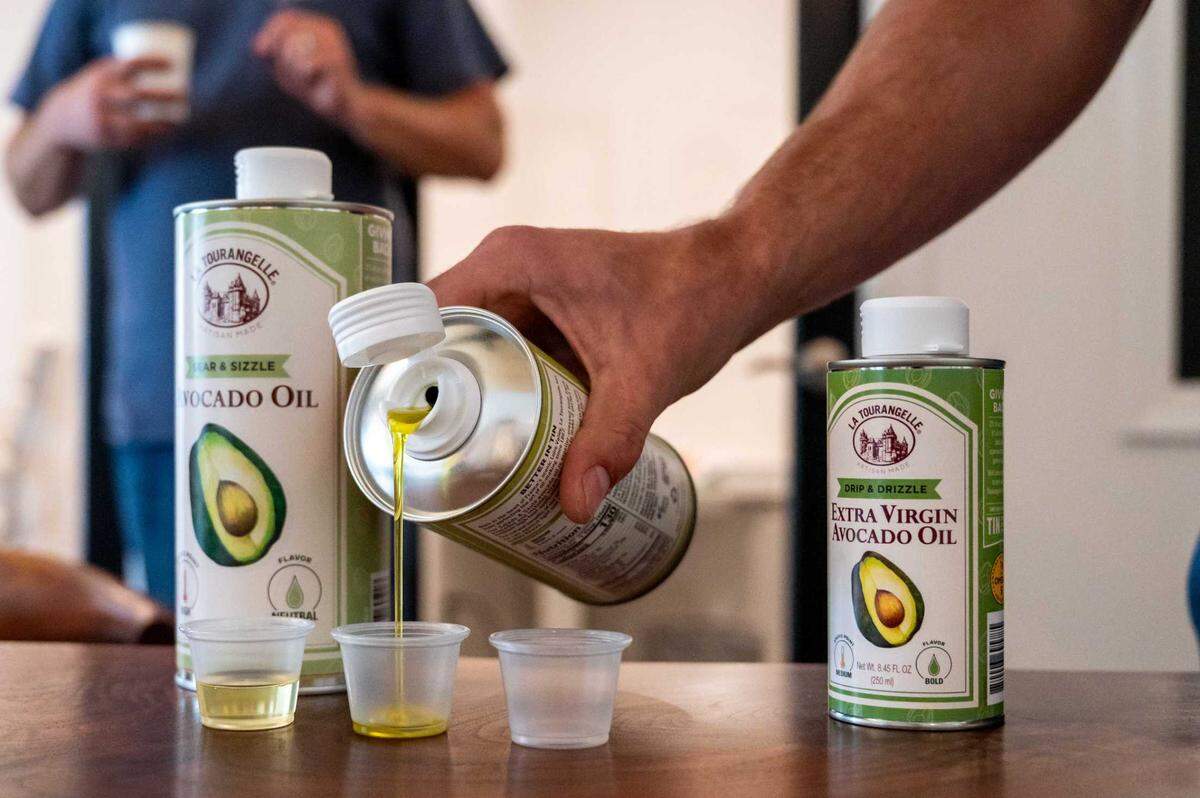
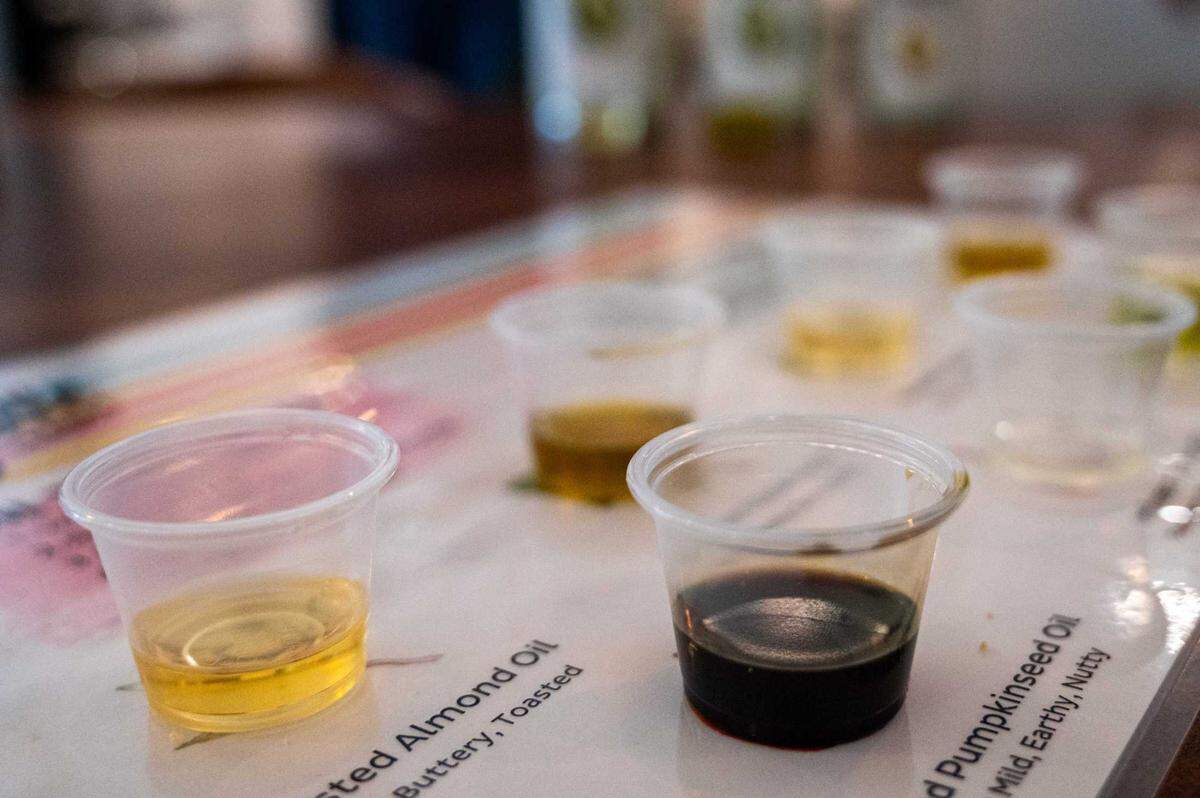
Warm, nutty aromas perfume the air at the La Tourangelle oil mill in northwest Woodland. Walnuts, almonds and pistachios constantly circulate the production facility, undergoing more than 16 hours of processing per batch before being shipped out in lightweight tin cans to retailers and consumers.
Making high-quality artisan nut oils is the heart of La Tourangelle’s production, but its social and environmental responsibility mission guides everything from ingredient sourcing to packaging.
In 2002, Matthieu Kohlmeyer left France’s Loire Valley — taking two cast-iron oil presses with him — to bring his family’s 135-year-old oil company to Northern California, seeking to introduce La Tourangelle’s signature roasted walnut oil to American tastes.
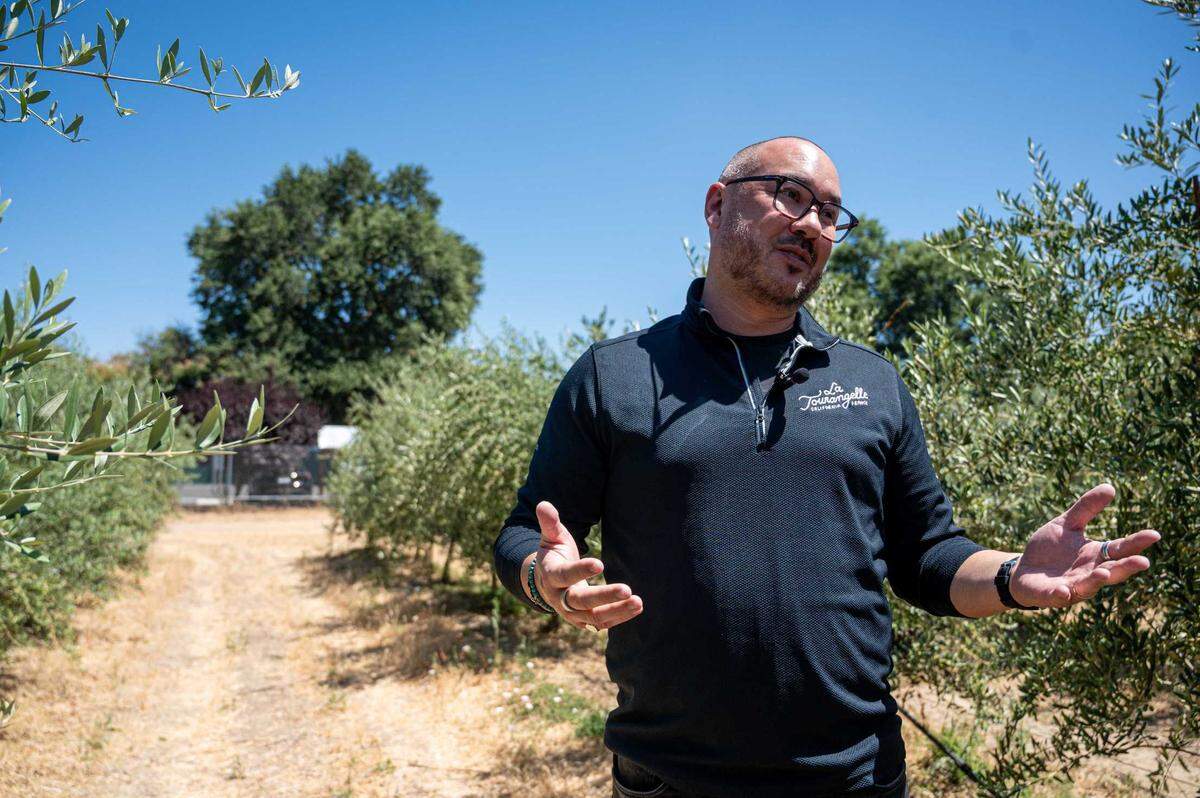
The U.S. branch started out of a small green building off County Road 98B, surrounded by acres of tomato fields and the former production facility of Woodland Nut Oils. In 2017, Kohlmeyer purchased the entire 28-acre property and later replaced the tomatoes with around 10,000 olive trees, which were used to launch a California-grown olive oil in 2024.
Now, the processing plant is primarily powered by a 2-acre, 350-kilowatt-hour solar farm on site.
From Day 1, Kohlmeyer hoped to have a presence in natural foods retailers like Whole Foods, which uphold strict sustainability standards in the products they sell. La Tourangelle marketing executive Peter Wynkoop said the standards have never been difficult goals for Kohlmeyer’s team to meet, which may have helped La Tourangelle’s cooking oils become one of the bestsellers at the grocery chain.
“(Kohlmeyer) has always wanted to do everything a bit better,” Wynkoop said.
Kohlmeyer’s efforts have been recognized five times by the Good Food Foundation awards — for roasted walnut, hazelnut and pistachio oils.
As its name suggests, the Good Food Foundation awards producers who create high-quality products, with sustainability and health standards as critical prerequisites. To be considered in the oils category, La Tourangelle’s pistachio oil — which won in 2025 — was required to be free of artificial or genetically modified ingredients, grown without synthetic pesticides or herbicides, and milled without heat or chemical extraction.
Roasting, milling and bottling oils out of Woodland is strategically ideal: Olives are grown at the company’s doorstep in Capay Valley, while the majority of the country’s walnuts and almonds are cultivated across the Sacramento and San Joaquin valleys, and pistachios come from the southern San Joaquin Valley.
“Our operation wouldn’t make sense in Nevada, let alone Texas, or really anywhere else in the world,” said David Pringle, director of engineering.
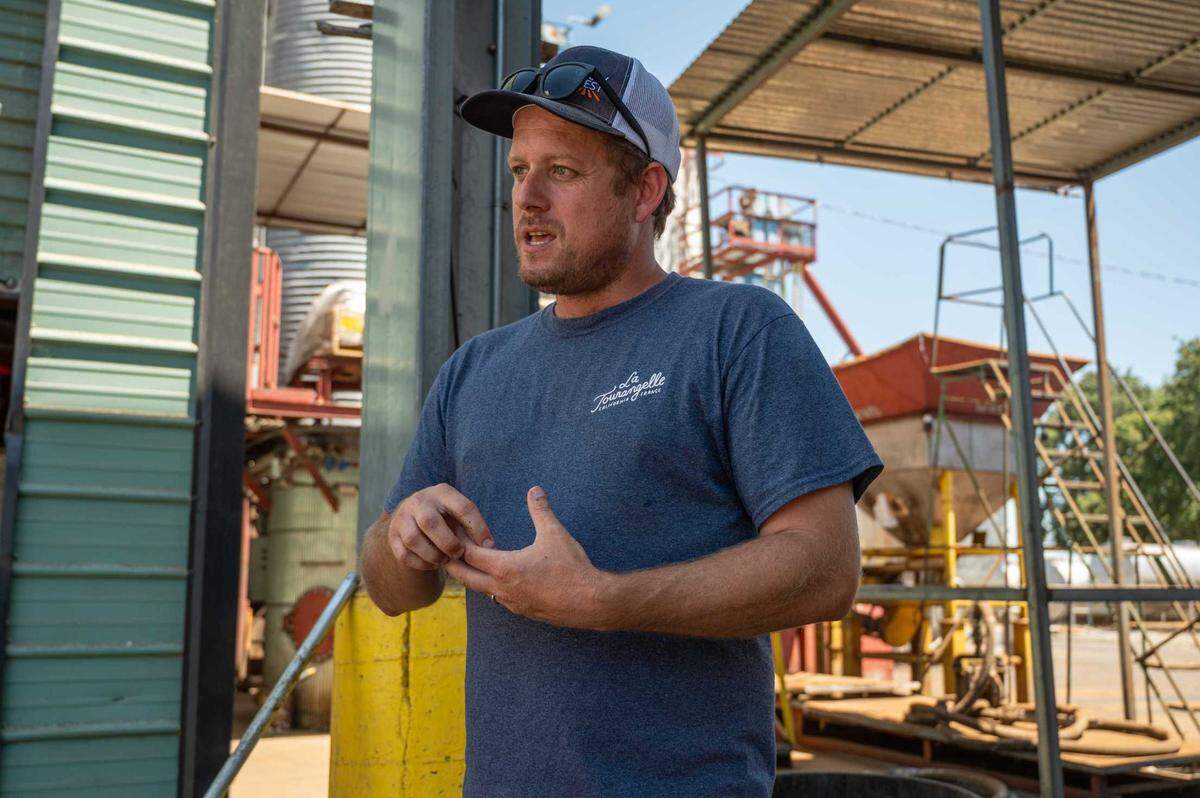
La Tourangelle works with farming partners across the valley to upcycle even nut shells, reducing production waste across the board, according to Pringle
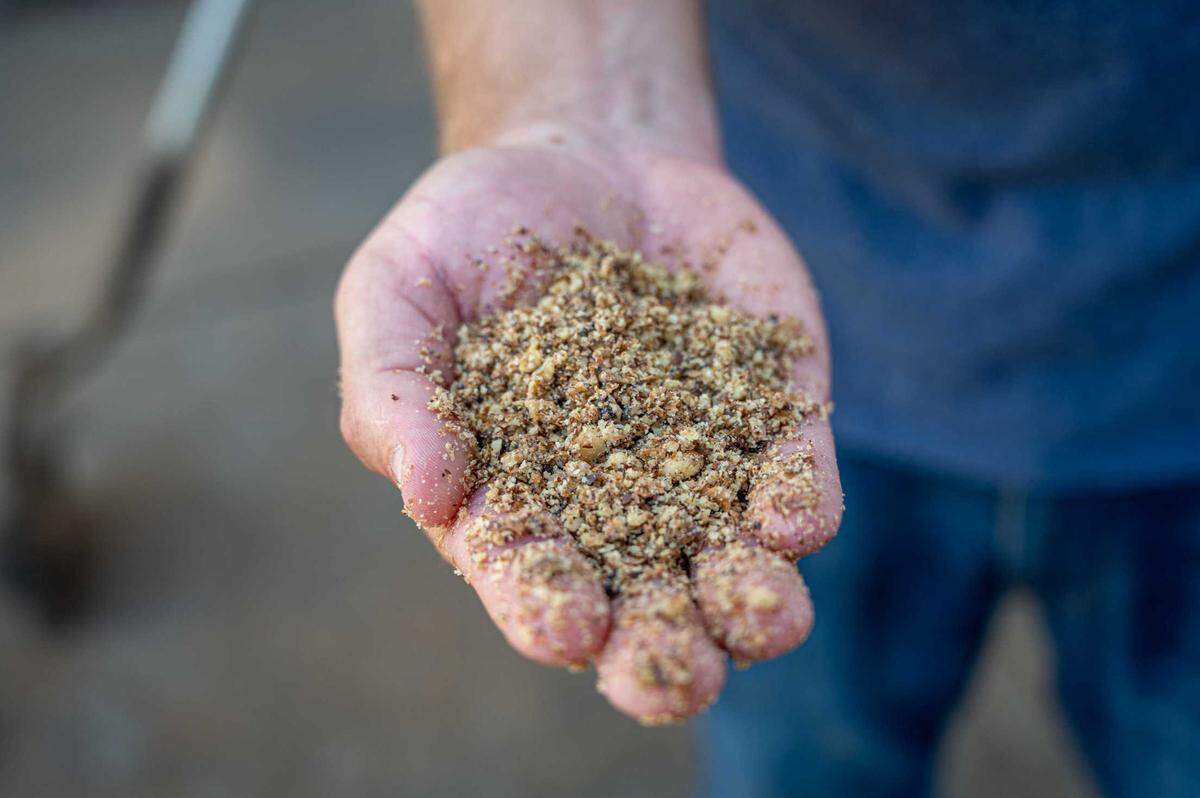
A mix of shells and morsels from walnuts and almonds, known as “oil stock,” come to the plant by the truckload, prime for extracting and filtering into highly refined oil. After pressing, the “cakes” of oil stock are used as cattle feed at farms across the region. Pringle said the mill is able to process more than 50,000 pounds of raw oil stock per day.
“It’s honestly the reason we’re here (in the Sacramento Valley),” he said.
With deep connections among sustainable farmers in the valley, La Tourangelle has been able to tap its network when retailers request specific products, even expanding production at some farms.
When Whole Foods requested a regenerative-farmed cooking oil, La Tourangelle worked with Sutter County-based Park Farming Organics to begin cultivating sunflowers with regenerative practices, according to Pringle. The pressed sunflower seed pucks were later sent to the Straus Family Creamery dairy farm in Marin County for livestock feed, he said.
To further the company’s social philanthropy goals in the region, Kohlmeyer and his wife, Christine Polycarpe, launched the La Tourangelle Foundation in 2020. The following year, the foundation created a small regenerative edible garden for employees and the greater community, which has become something of a teaching lab.
Nearby school districts bring students on field trips to La Tourangelle, where students have the opportunity to plant and harvest vegetables and fruit like lettuce, corn and tomatoes. After, they learn how to cook a recipe with the freshly picked ingredients using a mobile kitchen called a “Charlie Cart,” sponsored by Raley’s, according to Pringle.
“It’s fun when a kid runs up to you with a tomato and says, ‘I didn’t know tomatoes grew on a tree!’” Pringle said. Though he said he gently explains the distinction between a tree and a vine, Pringle said he enjoys seeing young children learn where their food comes from.
La Tourangelle’s foundation also donates profits to the Yolo County Food Bank and the Berkeley Food Network — supporting communities around the company’s current and former headquarters.
Kohlmeyer and his team seem to never stop striving for excellence in their products — during Monday’s visit to the mill, Kohlmeyer was in South America searching for organic sources of sesame seeds for oil.
La Tourangelle is also launching a Peru-based avocado oil production facility, where they are working with regional avocado farmers to upcycle the fruits that are too small or otherwise unwanted by food retailers. According to Wynkoop, the first shipment of Peruvian avocado oil will arrive in the U.S. soon.
“We’re always trying to look for the best possible product,” Wynkoop said. “Always trying to look for organic and (regeneratively farmed ingredients), but ultimately, we’re looking for the best quality product with a great price.”
What I’m Eating
Longtime East Sacramento staple Nopalitos Southwest Cafe houses some seriously large portions of Mexican food.
For more than 30 years, the community cafe has served popular Mexican dishes with a southwestern flair. Although the original owners — Dave and Rose Hanke — never opened their restaurant in the evening, Nopalitos now serves food as late as 8 p.m. after Roberto Timoteo and his family took over in 2022.
In the beef tostada ($14.95), a crispy fried flour tortilla — identical in size to the dinner plate it was served on — is covered in a thin layer of beans, with red chile-braised beef, shredded lettuce, brown salsa, guacamole and sour cream.
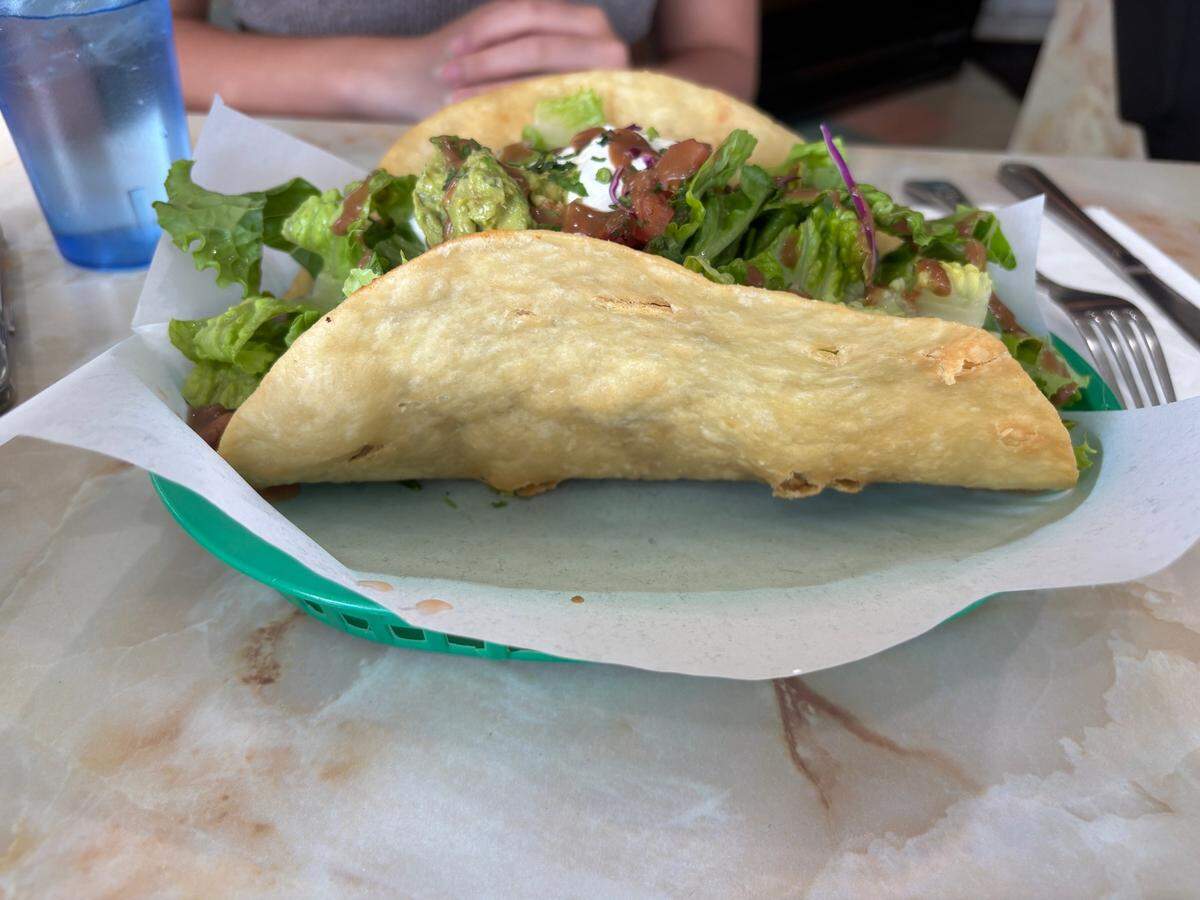
A handheld version of the tostada is the Nopalitos taco ($14.75), which appears to be identical to the tostada but folded into the classic taco shape. The delicate Nopalitos shell may not hold up as well as a soft taco plate ($14.95). Those are wrapped in corn-based tortillas.
The rest of the lunch and dinner menu features familiar bites, from burritos to rice bowls, while an expansive breakfast menu features the restaurant’s namesake ingredient. Nopal, de-spined cooked cactus, is available in a scrambled egg plate ($13.95) or omelet ($16.25).
Nopalitos Southwest Cafe
Address: 5530 H St., Sacramento
Hours: 6:30 a.m.-8 p.m. Tuesday-Friday; 6:30 a.m.-2:30 p.m. Saturday and Monday; closed Sundays
Phone: 916-452-8226
Website: www.nopalitoscafe.com
Drinks: Hot coffee and teas, fountain and bottled soda, bottled tea, juice
Vegetarian options: Plenty across the breakfast and lunch/dinner menus
Noise level: Moderate
Outdoor seating: Bistro-style tables around front patio
Openings & Closings
▪ Liberian restaurant AfroEatz, 1725 I St. in Sacramento, opened its first dine-in spot Monday after a year of slinging West African fufu, egusi and pepper soup out of its downtown Sacramento cloud kitchen. The new Boulevard Park eatery is only offering take-out or delivery service until its grand opening July 26 — Liberia’s independence day.
▪ Chip Cookie launched its second Sacramento location, at 2080 Fair Oaks Blvd., on Saturday, the shop posted on social media. The Utah-based gourmet cookie shop in Campus Commons has a range of classic and specialty bakes, and customers can even customize their perfect cookie.
This story was originally published July 11, 2025 at 7:00 AM.
.jpg)