West African dishes — and secret jollof recipes — take root on Sacramento’s grid
West African cuisine is gaining a foothold in Sacramento, appearing in tucked-away kitchens and family-run spots but introducing diners to dishes long familiar across the region.
The cuisine is defined by a few typical dishes. Universal throughout the region is jollof rice, made with long-grain rice, tomatoes, spices, vegetables and often one or more meats. Senegal claims its origins, but every country asserts that theirs is the best while guarding their recipes like a state secret.
Also pervasive is the combination of some kind of starchy paste, referred to in Nigeria as a “swallow,” paired with a soup for dunking. Fufu is the most common of these dishes, often made from yam.
True yams are not the same thing as sweet potatoes. They’re massive tubers that can grow up to 50 feet in length and weigh over 100 pounds.
The soups are generally thickened to give them a viscous texture that sticks to the starch. If you’ve ever had gumbo made with okra, you’ll understand the idea.
If West African cuisine sounds exotic, you may be surprised at how familiar it tastes. The ingredients, textures and flavors are what formed the foundation of American soul food.
Two spots on Sacramento’s grid are now showcasing these traditions in distinct ways.
Naija Cuisine
Naija Cuisine isn’t exactly a restaurant in the sense you’re probably thinking.
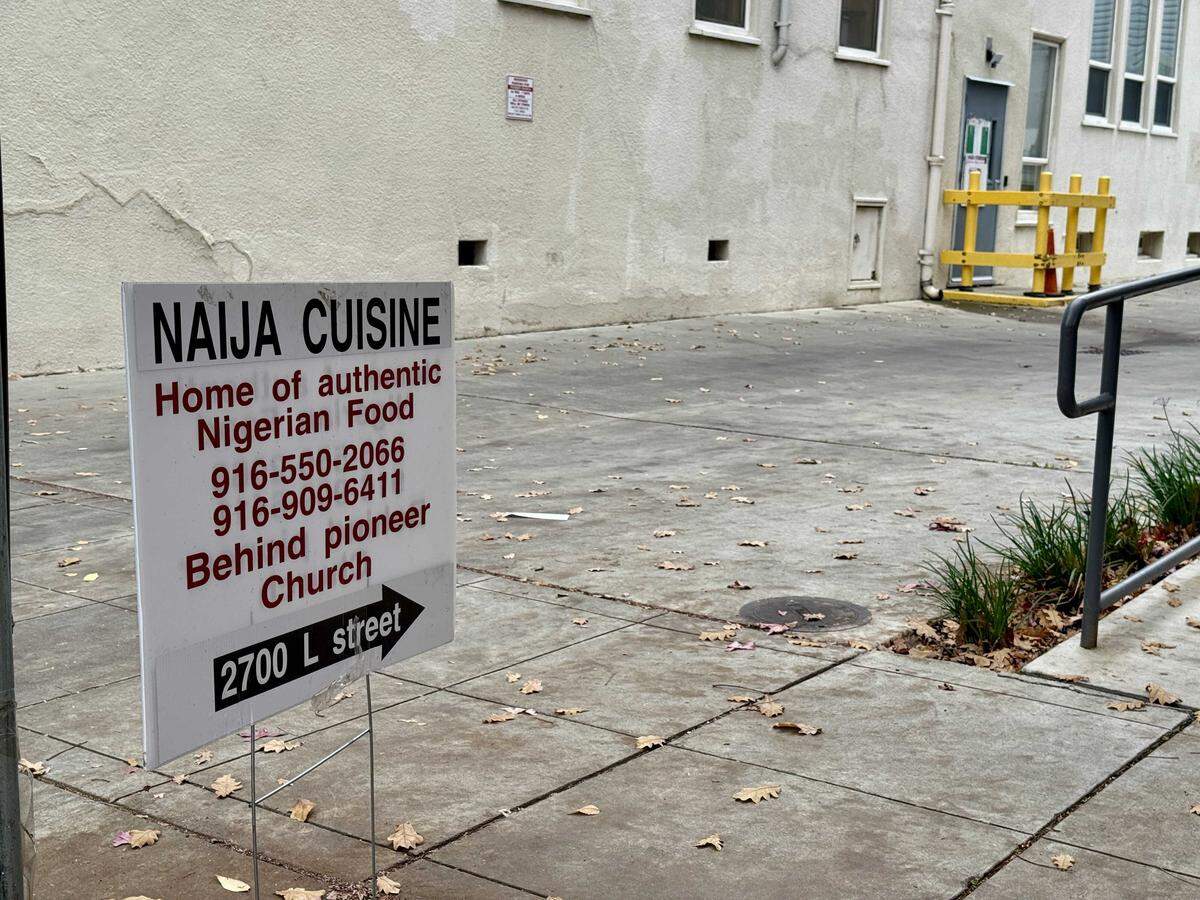
A small sign on the corner of Liestal Alley and 27th Street in midtown points diners toward the back of Pioneer Church. However, it is inside the back of the church.
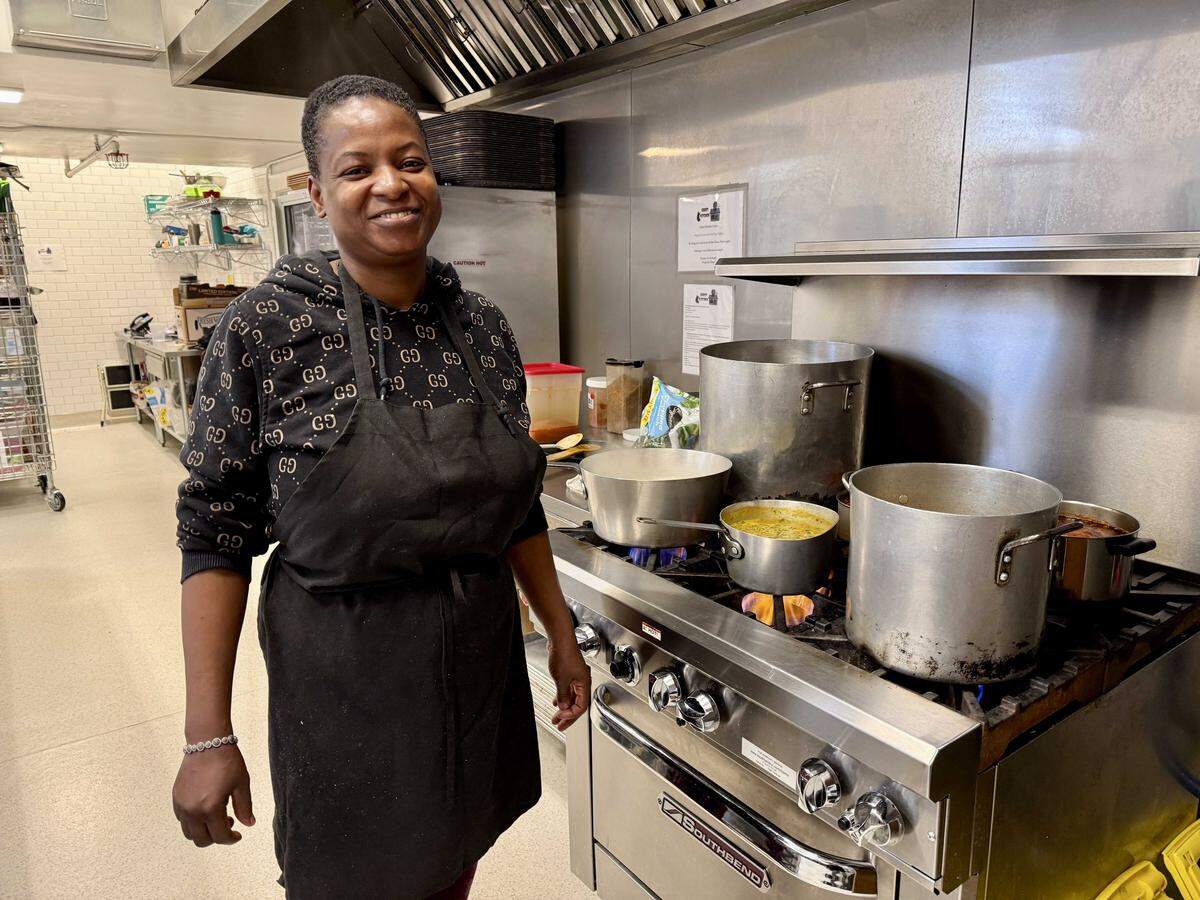
There, in a commercial kitchen, proprietor Adeola Adedayo has a few pots bubbling on a stove. There’s no chafing dishes, no food on display, no place to sit. Everything is made to order, take-out only.
Adedayo used to have a spot in the Sunrise Mall but she said it wasn’t sustainable.
She helped me decide on a few dishes, a sort of greatest hits.
“It’ll take me about half an hour to put it together,” she said. It did.
It’s not to say that she’s kicking back. She’s constantly puttering about the kitchen, tending multiple stations in her own time while the longer-cooked dishes simmer.
“If you want it to taste right, you can’t rush it,” she said. “African food takes time.”
She’s quick to smile and chuckle, and has a charming lilt to her voice.
Adedayo sources many of her ingredients from Nigeria through an importer.
“It’s gotten expensive,” she said, “because of the tariffs.”
Thirty minutes later, she sent me off with a bag full of containers.
The dishes follow a home-style approach, and their flavors build slowly with a mild heat.
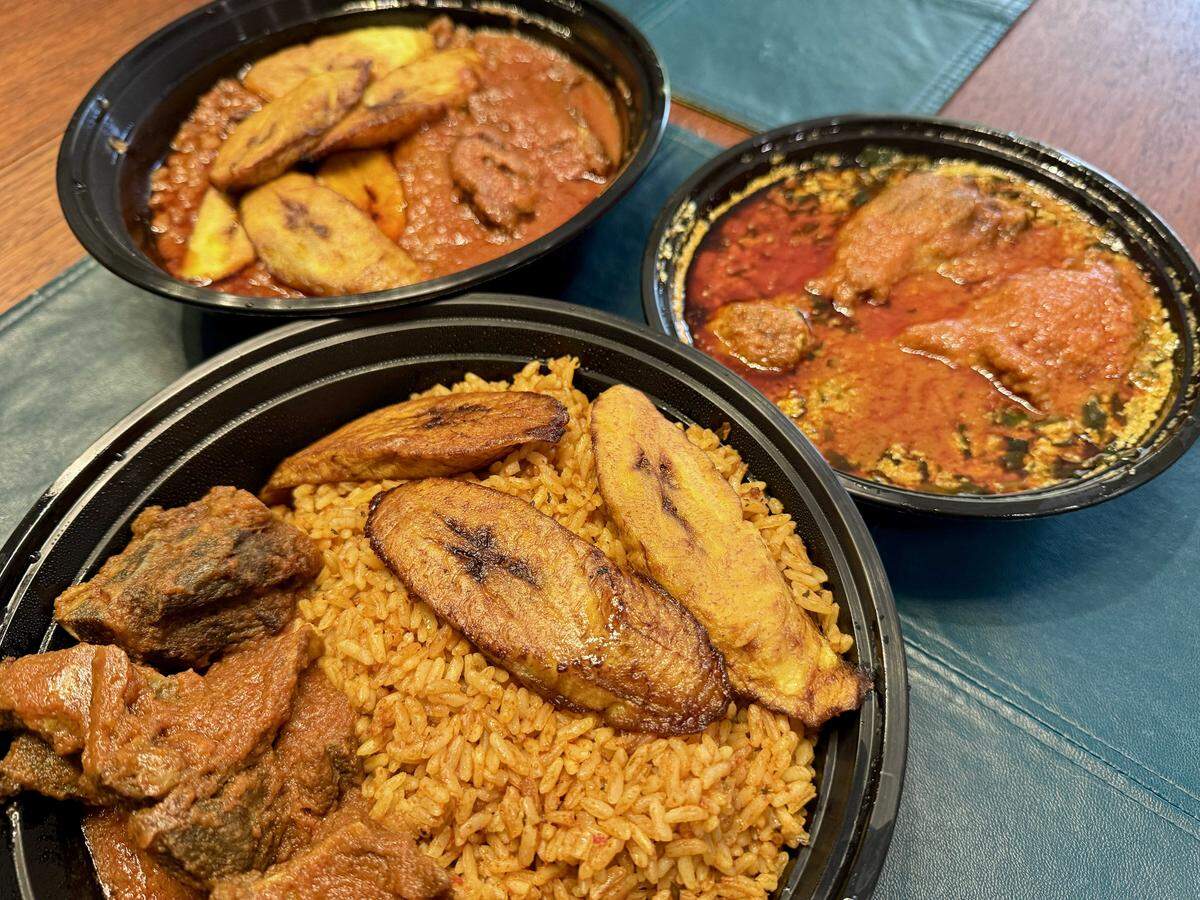
The base of the beans and goat ($24.99) are Nigerian honey beans, akin to black-eyed peas, cooked until soft then seasoned with a sofrito of sorts with bell pepper, habanero and onion and a slick of nutty palm oil. The well-stewed goat fell off the bone, forming a hearty stew.
Egusi ($27), the prevalent soup of Nigeria, is thickened with pounded melon seeds — seasoned with a similar base of peppers, habaneros and onions. It’s finished with spinach and paired with the sticky, mild fufu.
Of course, there’s jollof rice ($27), and Adedayo insists it’s the best: “Mine is cooked the Nigerian way that’s different, and it’s very flavorful and very attentive.”
No one will ever tell you exactly how they make their jollof rice.
I shared the dishes with a friend who used to travel frequently to Nigeria for work. He gave it the thumbs up.
Naija Cuisine
Address: 2700 L St., midtown
Hours: 11 a.m.-7 p.m. Tuesday-Saturday; closed Sundays and Mondays
Phone: 916-550-2066 or 916-909-6411
Vegetarian options: The beans, egusi and jollof rice are available meatless
AfroEatz
The first and only Liberian restaurant in Sacramento, AfroEatz opened in July in the Boulevard Park space that formerly housed Bambi’s Vegan Tacos.
A family-owned business, AfroEatz is run by partners Sayeah Mayson, who goes by Pinky, and Tonia Sambola, and Sambola’s aunt Warnerlyn Warner, whom they call Aunty Becky.
So what makes Liberian cuisine different?
“It’s just in how we put it together. The colors and flavors are just more vibrant,” Mayson said.
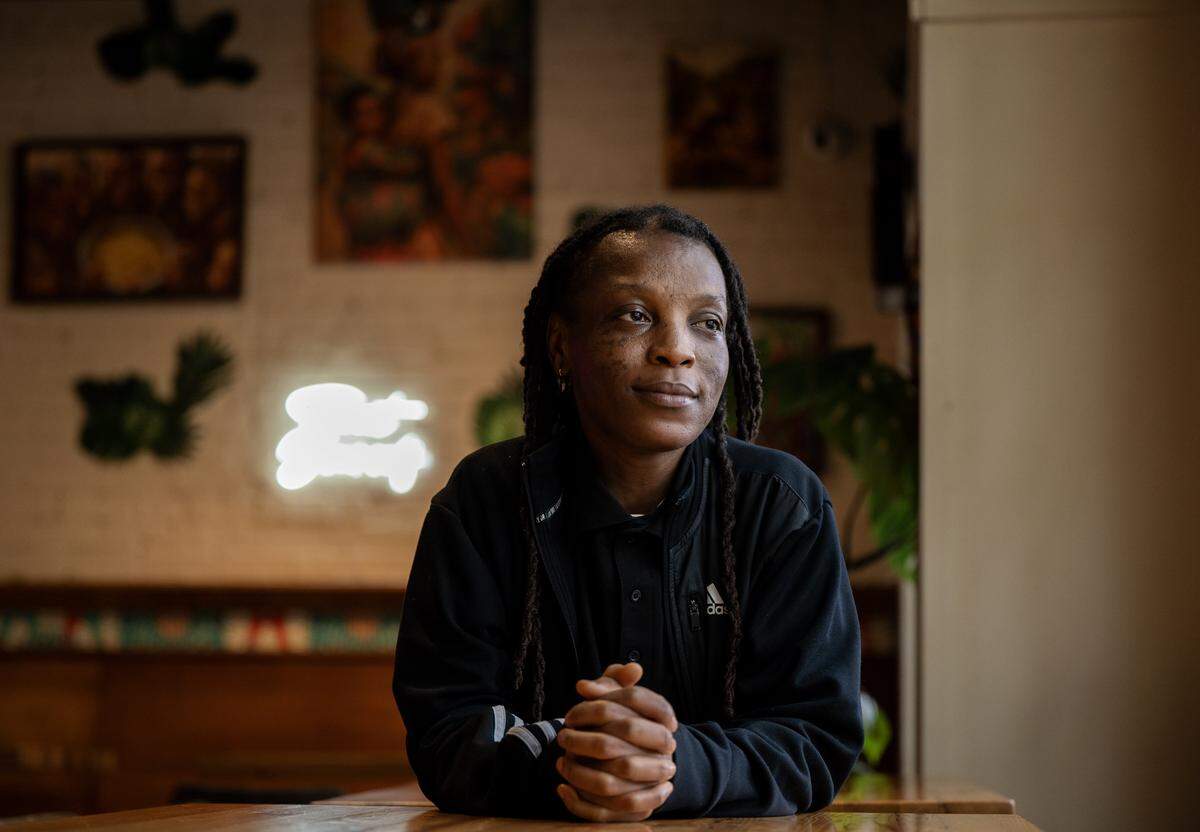
However, she’s not wrong. The jollof rice ($20) is robust, with plump grains of rice and a persistent but not overly assertive heat.
AfroEatz’s fufu is made from plantain rather than yam, giving it a sweeter taste and a creamier texture. It’s an excellent foil for their soups including the pepper soup ($26.99), bristling with the heat of black pepper.
The peanut butter soup ($26.99) is more gravy-like and richly savory, and the fried cassava leaves ($26.99) are more akin to Southern braised collards, but with an earthier flavor.
Beverages are limited to soft drinks, including Vimto ($4.75), a British soda popular on Africa’s Atlantic coast and flavored with grape, black currant and raspberry.
The place was kept outright chilly on our visits, but the electric heat of the dishes brought an internal warmth.
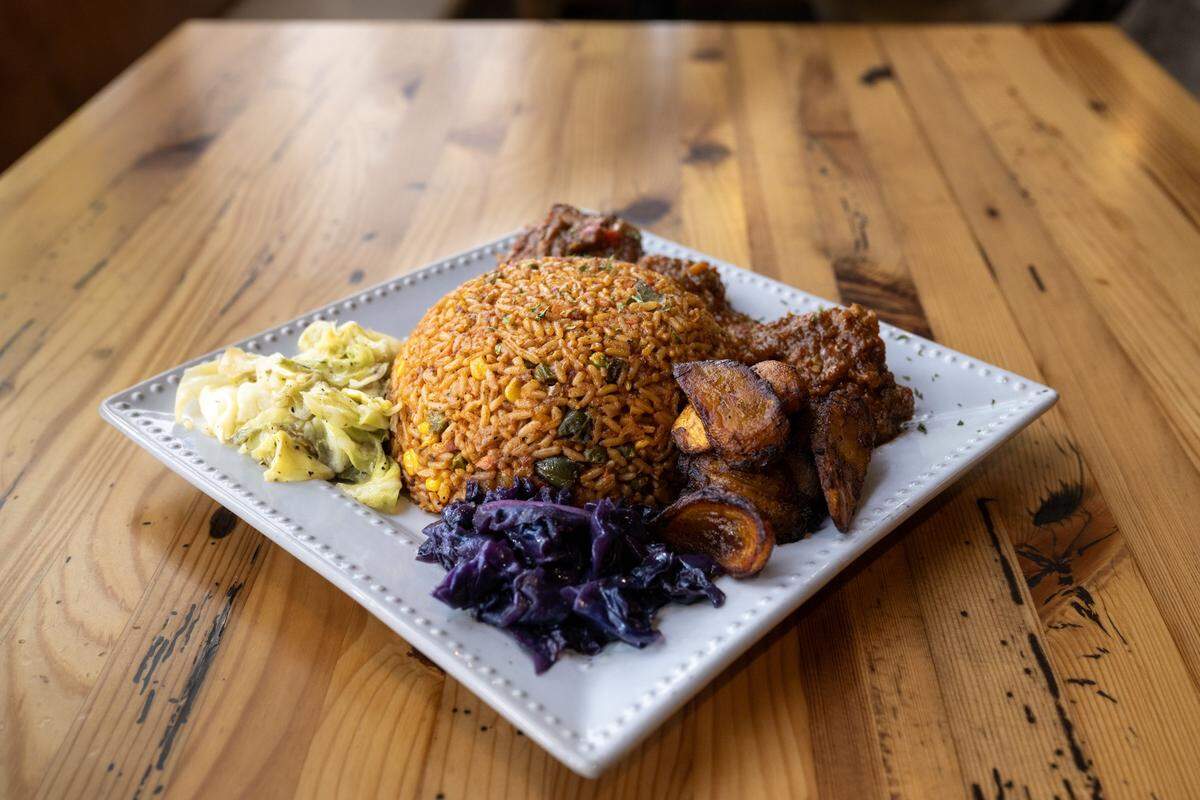
AfroEatz
Address: 1725 I St., Boulevard Park
Hours: noon-7 p.m. Sunday-Thursday; noon-8 p.m. Fridays and Saturdays
Phone: 916-633-2175
Website: afroeatz.com
Vegetarian options: Ample — meatless versions of jollof rice, pepper soup and egusi and fufu available
Noise level: Moderate
This story was originally published December 11, 2025 at 5:00 AM.