Farm-to-fork restaurant wins sustainability grant, invests it in farm partners
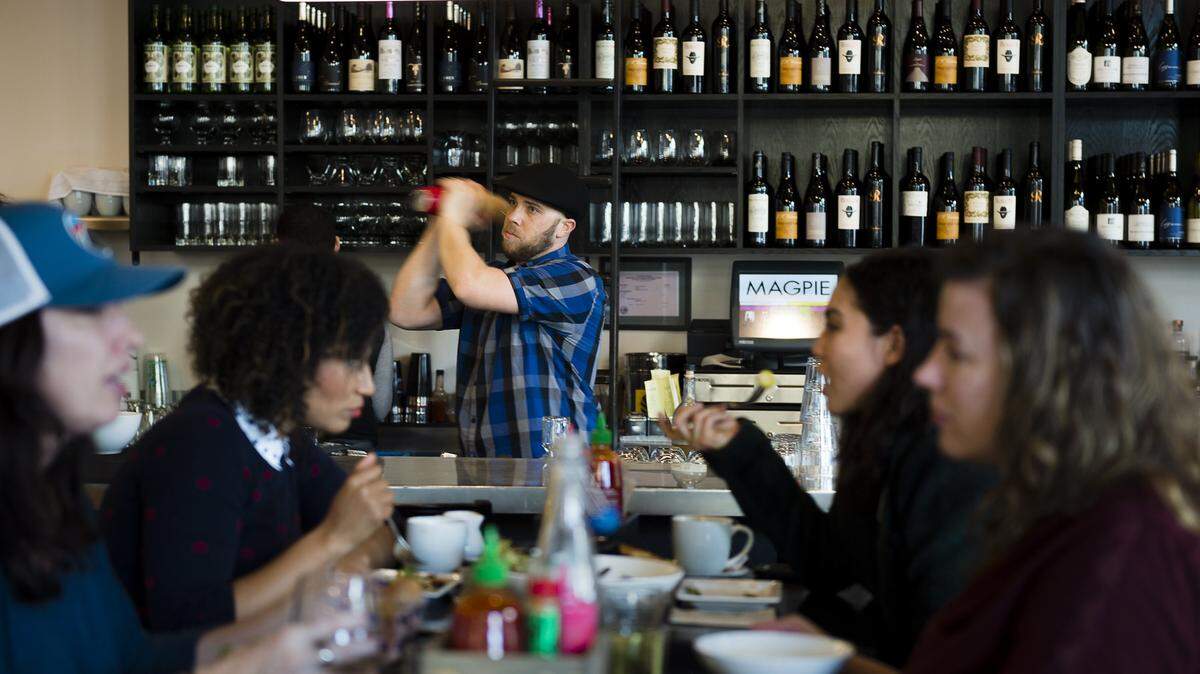
Magpie Cafe, a longtime farm-to-fork restaurant in midtown, has received a $25,000 grant in recognition of their sustainable practices. Alongside its commitment to preservation, waste reduction and whole-animal cooking, the coalition that awarded the grant noted Magpie’s long-term relationships with regional producers.
The award is part of the inaugural Independent Restaurant Coalition and Chase Innovator Awards, which granted $1 million to 40 restaurants and bars nationwide that promote sustainability and environmental innovation.
Janel Inouye, co-founder of Magpie, is using that money to invest in the farms and providers they contract with, effectively pre-paying for their products for the season.
Magpie has long-standing relationships with several small local farms, chiefly Azolla Farm in Pleasant Grove, Rio Linda’s Ladyhawke Farm, Root 64 in Tallac Village, Sweet Mabel in West Sacramento and Fireclay Farm of Davis. Each farm received a disbursement from Magpie.
Inouye said she was inspired to do this by none other than one of the matriarchs of the movement, Alice Waters of Berkeley’s Chez Panisse. Waters highlighted the power of community supported agriculture, where farms sell directly to consumers via a subscription model, and noted how restaurants could do the same.
“I think it was about 10 years ago that I saw Alice Waters speak about various ways that restaurants can be impactful. What she was talking about is financially, if you’re a restaurant, and you’re doing well, what about trying to kind of move this concept of community supported agriculture into the restaurants, where restaurants can prepay for the season, and it helps the small farms when when their inputs are high,” Inouye said.
The idea stuck with her for years, but she could rarely muster the funds to make much of an impact.
“Whenever people say that the restaurant business is low-margin, they’re not joking,” she said. “When I saw this award, it’s like, this would be such a great opportunity to distribute this to our farms that we work with and really test this concept out.”
The objective is that, by pre-paying for a season’s worth of produce, Inouye can keep more of the restaurant’s margins to rebuild a reserve so they can replicate the grant program internally on an ongoing basis.
The timing is important. Many tiny farms rely on USDA grants, which are increasingly at risk. As recently as March 24, the USDA canceled $300 million in grants from the Increasing Land, Capital, and Market Access Program. Five year projects for the program were granted in 2023.
It’s no silver bullet solution, though. Farming is risky business, and anything could happen along the way as they grow their crops.
“Writing these checks to some of these farmers, they are a little bit nervous about taking money up front because they’re so used to managing their funds as they come in. We’ve seen some of our farms just lose entire rows of something, or just a whole season of something because there’s like these weird underground parasites,” she said. “So it is a little nerve-wracking for them, but I say, don’t worry about it that much, because this is a grant and it’s an experiment, and if it has to carry over into 2027, we’re good with that.”
Magpie recently opened a second restaurant in Sacramento International Airport’s Terminal A as part of its effort to introduce more local food to the terminal.