What’s a shrub? Davis couple crafts drinking vinegar for home-based business
It all started on a date night. Cindy Lamar and Tina Yang were dining out in Sebastopol, and wanted something special to drink. Yang doesn’t drink alcohol, and the couple lamented the lack of interesting options at most places. That’s when they noticed shrubs on the menu.
“Usually, there’s just like soda or juice or sparkling water, or some like Shirley Temple or whatever. We got excited because this sounded really interesting. We read the ingredients, and we were like, wow, okay. So, we each ordered a different one, and we tasted them, and they were just really super refreshing,” Lamar said.
Unlike bland water or insipid fruit juices, the vinegary tang of the shrubs cut through the richness of the food of the brew pub where they were dining. The two were instantly hooked, and so Lamar began researching how to make them.
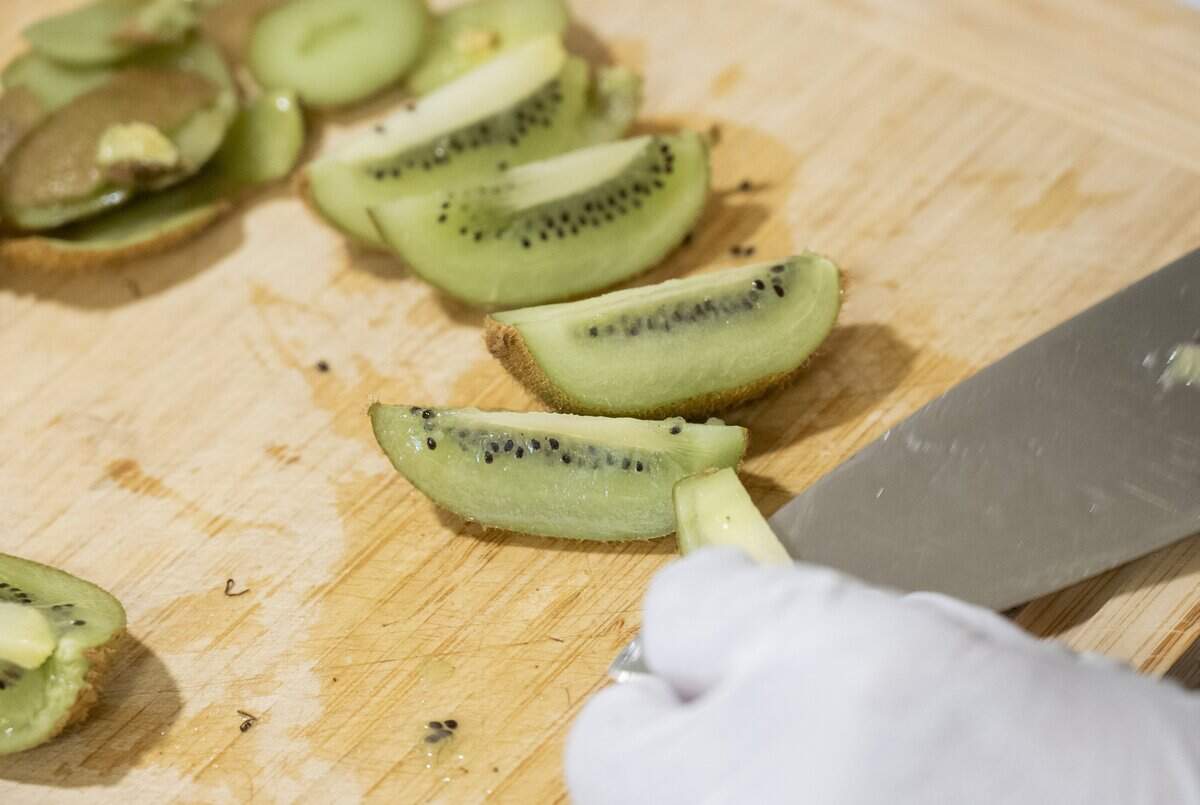
The idea of a drinking vinegar may sound strange, but shrubs have roots going back to the American Revolution. One typical method to make them is to combine fruit and sugar and allow the mix to sit for hours or overnight in the refrigerator. The maceration releases juices from the fruit, which are then strained off and combined with vinegar. Herbs and spices can be added for extra complexity. The resulting liquid is sweet, fruity and sharply acidic.
Odds are you’ve even seen shrubs on local bar menus, but maybe didn’t notice. Currently, Magpie Cafe offers a Farmer’s Friend, made with Meyer lemon peppercorn sage shrub, bourbon and ginger beer. Kru’s Open Sesame, a riff on a gimlet, features sesame-infused gin, dry vermouth, cucumber-yuzu shrub, lemon and yuzu bitters.
Shrubs can be enjoyed without alcohol of course. Diluted about three-to-one with sparkling water will result in the zippy, thirst-quenching beverage Lamar and Yang decided to pursue making.
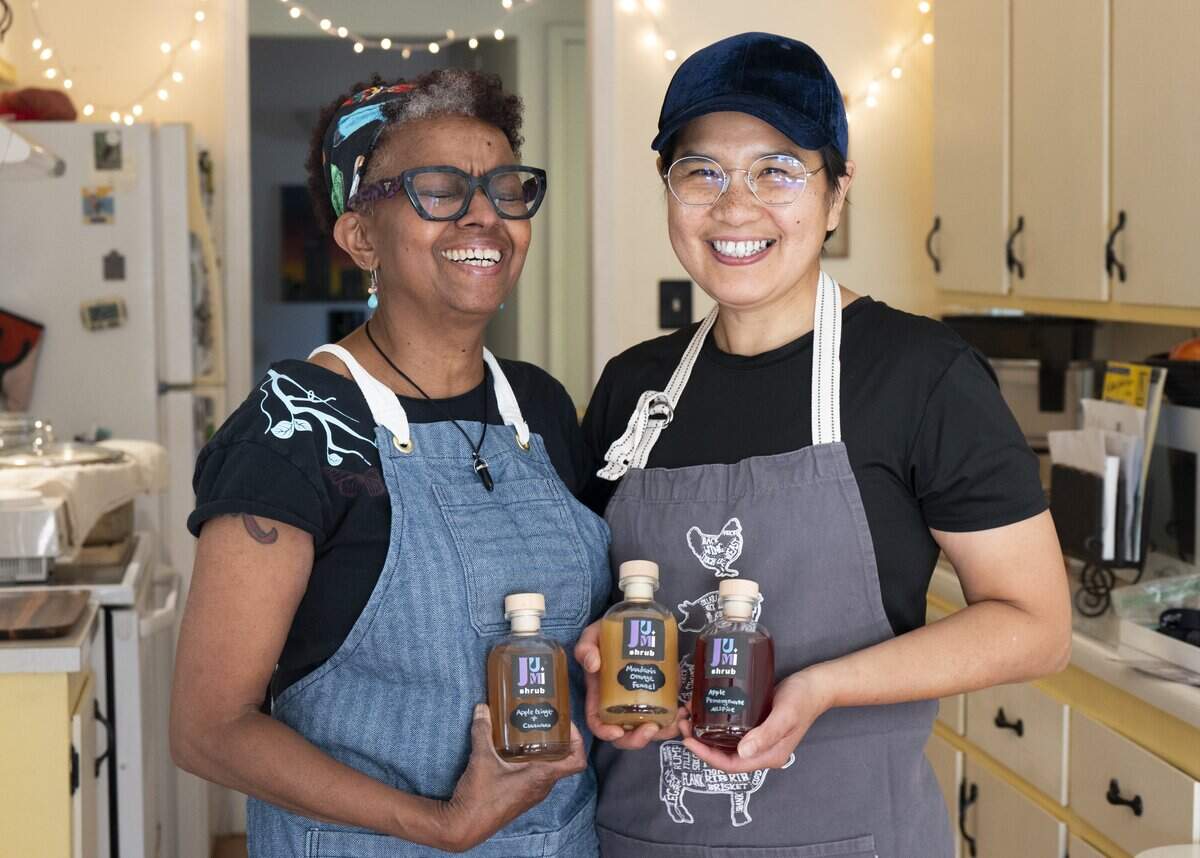
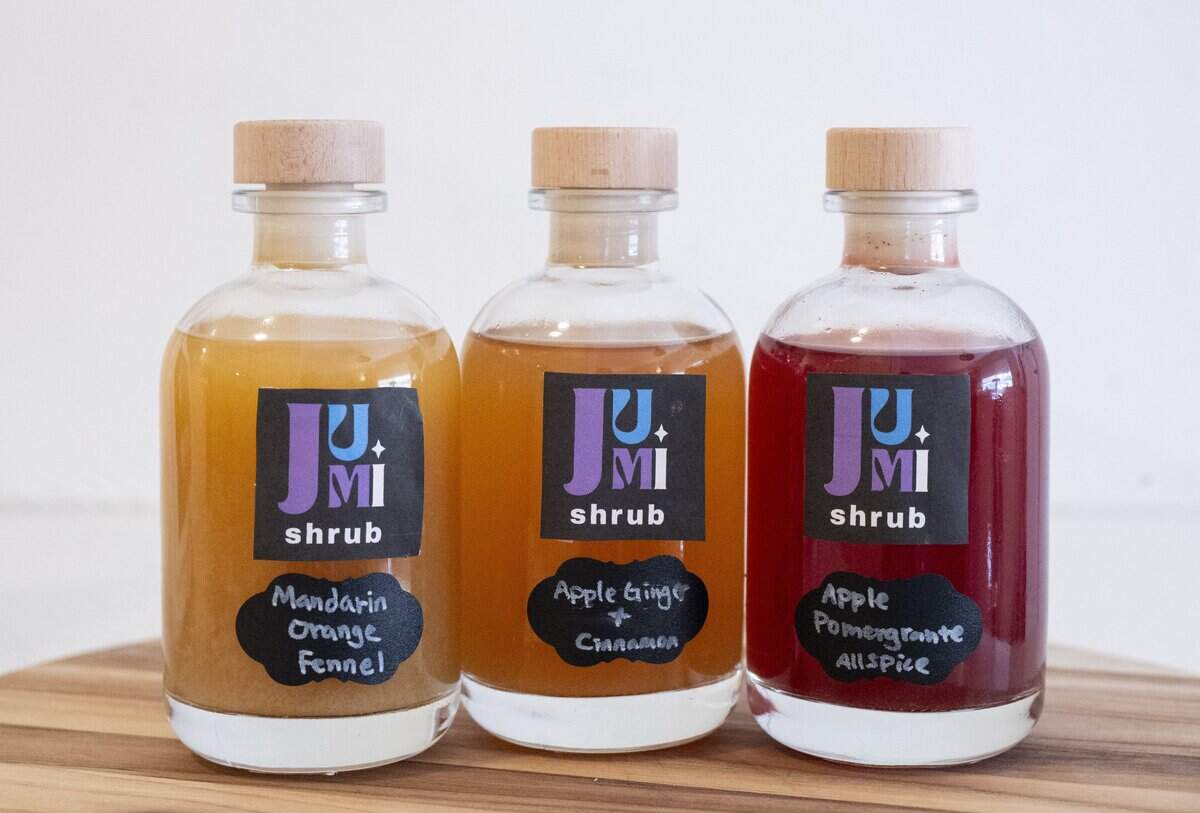
Lamar began experimenting with different flavors, creating combinations like orange-ginger and watermelon-mint. Noting that there has been a general trend toward zero-alcohol drinks, the Davis-based couple decided to turn their delicious hobby into an actual business, Jumi Shrub.
Yang’s professional background is in food science, so she was well equipped for the functional side of the business. They had heard about the Alchemist Microenterprise Academy (AMA), an incubator program designed to help budding entrepreneurs develop a business plan and prepare to launch. They enrolled, graduating at the end of May.
Since its inception in 2019, the Alchemist program has ushered 232 small businesses through the trainings. Many of the businesses have been minority-owned, with 75 percent run by people of color, 64 percent by women and 58 percent being low-income.
For food businesses that have graduated from the AMA, Alchemist also offers a Kitchen Incubator Program (AKIP), which focuses on the particular challenges of that industry, such as permitting, food safety and scaling. The program offers one-on-one coaching with participants beyond the program to ensure the business not only gets off the ground, but also stays afloat.
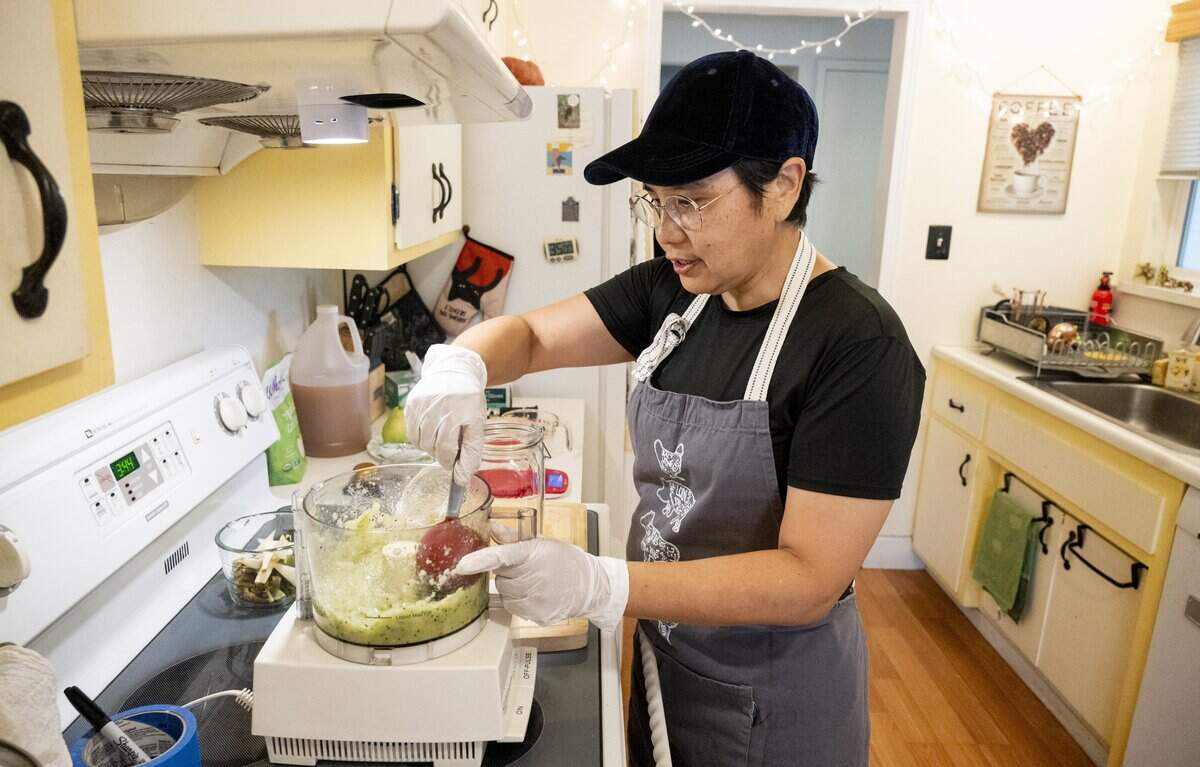
To make their shrubs, Lamar and Yang pulse fruit in a food processor. They prefer the finer grind versus hand-chopping to create more exposure and release more juice. This is added to vinegar with sugar and any other seasonings and put in a large jar, which they keep in a cool, dark place for seven to 10 days. They use apple cider vinegar with a live mother, so it continues to ferment. (Mother is a colony of acetic acid bacteria which helps in the fermentation process.)
At that point, the fruit solids and seasonings are strained off, and the clarified shrub is ready to package. The mother’s job is done, and in order to make the product shelf-stable and safe, it’s poured into bottles, sealed and pasteurized.
Production is small, and the couple is working on scaling up. For now, Jumi Shrubs can only be found at occasional pop-ups, including one at UC Davis’s Hope Cafe in August. They’ve also been in conversation with East Sacramento’s The Allspicery about doing pop-ups there. They’re still working on permits, and once those are settled, you can expect to find Jumi Shrubs on local shelves.