
What to Do After a Car Accident in California
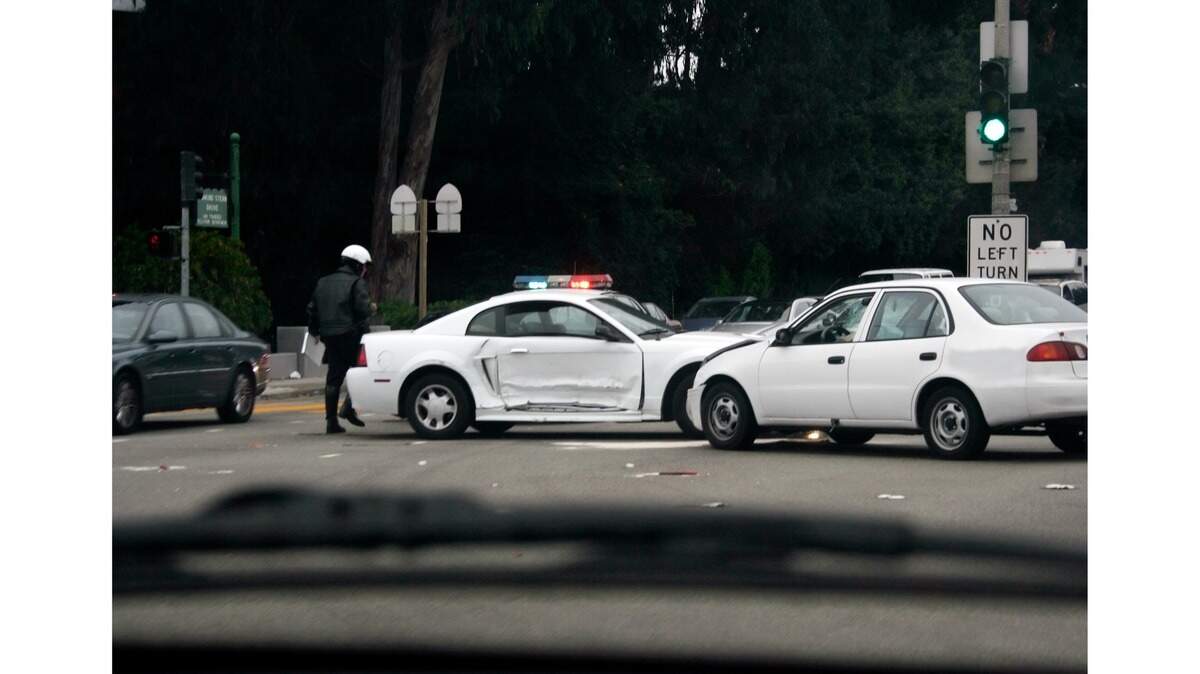
The California Office of Traffic Safety reports that 4,285 people were killed in traffic accidents in the state in 2021. Thousands more people sustained injuries, many of which were life-changing.
Whether a motor vehicle accident is a minor fender bender or a deadly crash, the experience of being involved in a collision can be frightening and disorienting. It can be hard to know what to do if it happens to you.
This simple guide will walk you through the steps you need to take following a car accident in California so you are prepared for what to do in the aftermath.
1. Stop at the Crash and Call The Police
It’s vital that you stop at the crash scene to avoid being charged with a hit-and-run crime. You could face very serious consequences if you don’t stop when you’ve been involved in a crash.
You should also notify the police. If someone has been hurt, you can call 911 and/or the California Highway Patrol (CHP) immediately, as the California DMV explains.
If anyone is killed or injured, even if the injuries are minor, you are required to report the collision to the DMV within 10 days of the accident. You’ll need to complete a Report of Traffic Accident Occurring in California (SR-1). You are also required to complete and submit this report within 10 days if more than $1,000 in property damage occurred as a result of the incident.
2. Alert Your Insurer
You’ll also need to report the accident to your insurance company as soon as possible after the crash. Most insurance companies set deadlines for how soon an accident needs to be reported.
You may be tempted not to report the incident, especially if you believe you were at fault, the crash is minor, and you are worried about premiums increasing. If the other driver was to blame, they may also ask you not to report the incident and promise to just pay your damages instead.
Don’t give into this temptation. Injuries or damage to the vehicles involved can sometimes turn out to be much more extensive and costly than you were expecting. If you have not filed a timely report with the insurance company, it may be more difficult or even impossible to recover from the insurer if it turns out the costs of the crash are outside of your financial reach.

3. Talk to the Other Driver and Witnesses
You need to speak with the others involved in the accident, as well as witnesses to the crash. You and the other driver should exchange contact details and insurance information.
Finding out what others observed at the crash scene is important as well. If there is a dispute over who was at fault or how severe the crash was, the testimony of these other witnesses could be crucial to your ability to make a successful personal injury claim.
4. Take Pictures at the Crash Scene
When possible, if you can do so safely, you should try to document the scene of the accident. Take pictures of all of the involved vehicles and the damage that occurred. This makes it easier to show the specific harm the accident caused.
You can also take pictures of debris in the road, as well as the surrounding area including the location of intersections and stop lights. All of these pictures could be invaluable later in showing how the collision occurred, who was at fault, or how badly you were harmed.
Being able to demonstrate these factors is also very important if you wish to pursue a car accident claim to recover compensation from another driver.
5. Get Medical Help
If you suspect you may have sustained any injuries, no matter how minor, it’s important to see a doctor. In fact, you may want to get a medical checkup as soon as possible after the accident, even if it seems on the surface as though you are unharmed.
Your doctor can be alert to signs of potential hidden injuries that may not be apparent right away, such as internal bleeding. Some conditions, such as whiplash, may also have delayed-onset symptoms that don’t develop until 24, 48, or even as long as 72 hours after the accident.
Seeing a doctor enables you to understand and document all of the potential injuries that occurred as a direct result of the collision. This will ensure you get prompt treatment so you can get on the path to recovery. It will also help you to prove the extent of the damage the crash caused so you can recover full payment for medical care and other losses related to the collision.
6. Understand Your Rights
California is a fault state, which means that if you are hurt in an accident, you have the right to pursue a claim against those who harmed you. You can take legal action to make another driver who caused a crash pay for your monetary damages, even for more minor injuries, unlike in no-fault states.
Under California Civil Code Section 1714, the law states that people and companies are responsible not just for the results of their willful acts but also if they harm others as a result of their “want of ordinary care or skill.”
This means if someone is less careful than the average motorist behind the wheel and causes a crash as a result, you can pursue a claim against them. In fact, under comparative fault rules established in Li v. Yellow Cab Co., 532 P.2d 1226 (1975), you can make your claim even if they were only partly to blame and you were mostly at fault — although your damages will be reduced based on the percentage of fault attributed to you.
You’ll need to know how to navigate the legal system, though, and you also must take action within the statute of limitations. The time limit is two years for injury claims under California Code of Civil Procedure section 335.1.
It’s imperative you know and understand these rules because a lot of money is often at stake in car accident claims. You don’t want to jeopardize your ability to recover compensation from the person or entity who is to blame for what happened to you or your loved one.
7. Get Help from a California Car Accident Lawyer
Because it can be a challenge to navigate the legal system and to stand up for your rights, you should seriously consider working with a California car accident lawyer. You can take steps to find an attorney after a car accident, including:
Asking for referrals from friends and loved ones or from attorneys you have done business with in the past.
Finding a personal injury attorney who specializes in car accident cases, including those similar to yours. For example, if you were involved in a collision with a large truck, you should consult with a truck accident lawyer because they will know the ins-and-outs of Federal Motor Carrier Safety Regulations that could impact your claim.
Interviewing attorneys and finding a lawyer who works on a contingency fee basis and who you feel comfortable communicating with. A contingency fee basis means your lawyer doesn’t get paid legal fees unless and until you recover compensation for your losses
Your attorney can help you with most of the steps you’ll need to take after a car accident, including gathering and presenting evidence, negotiating a settlement with the insurance company, and litigating your case in court if necessary to get the compensation you deserve.
FAQ
Should You Always Call the Police After a Car Accident in California?
You should call the police immediately if someone has been hurt. Calling the police is helpful because you can obtain a police report detailing what happened at the crash scene. This could make it easier for you to prove the other driver was to blame and must compensate you for your losses.
Do You Have to Report a Car Accident in California?
You must file a Report of Traffic Accident Occurring in California (SR-1) to the California DMV within 10 days of the accident if anyone was hurt or killed or if at least $1,000 of property damage occurred.
How Long After a Car Accident Do You Have to File a Claim in California?
There is a two-year statute of limitations for injury claims under California Code of Civil Procedure section 335.1. You should file your claim within that time to ensure it is not time-barred and that you are able to move forward with your case.
.
This story was originally published August 20, 2024 at 11:15 AM.