$1,400 checks update: Fewer payments and lower unemployment aid weighed by senators
Senate Democrats are eyeing changes to the $1.9 trillion COVID-19 relief package as they aim to pass the legislation by March 14.
That could mean changes from the House version of the bill, which provided $1,400 stimulus checks for most Americans and an additional $400 weekly unemployment benefits, along with increased child tax credits and state and local aid.
The U.S. House of Representatives passed the bill mostly along party lines, 219-212, on Saturday. Now, the package is being considered in the U.S. Senate, where Democrats are expected to use the reconciliation process — which allows for “expedited consideration” of legislation on spending, taxes and debt and only requires a simple majority instead of 60 votes for passage — to advance the bill.
Democrats are looking to pass the package before enhanced unemployment benefits included in the December stimulus bill expire March 14.
But Democrats have a narrow 50-50 majority in the Senate, with Vice President Kamala Harris serving as a tie breaker, meaning the bill will require support from the entire Democratic caucus as no Republicans are expected to support the legislation, The Hill reports.
Now, some Senate Democrats are looking to make adjustments to the bill, including more narrowly targeting who the $1,400 direct payments go to, cutting the amount of enhanced unemployment aid and reducing aid for state and local governments. Some senators met with President Joe Biden on Monday to discuss a “path forward,” The Hill reports.
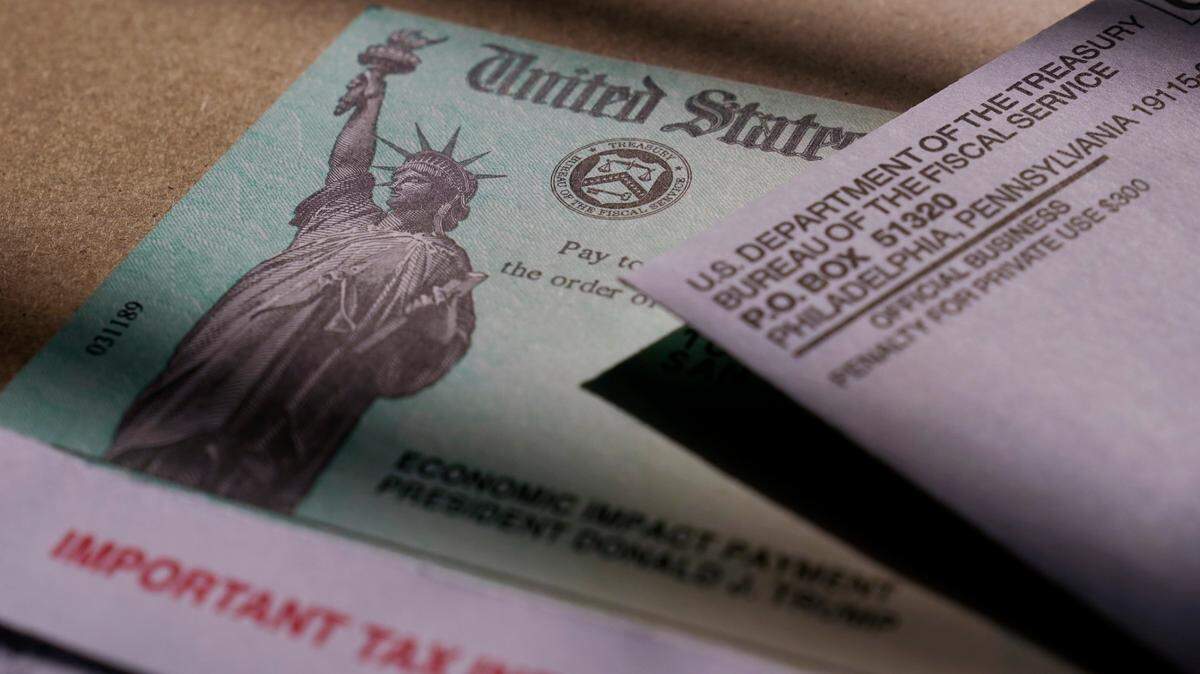
Fewer $1,400 checks
The Monday meeting with Biden included talks on further targeting the income eligibility for the $1,400 direct stimulus payments, meaning they would be sent to fewer Americans, two sources familiar with the discussions told The Washington Post.
The current bill includes $1,400 direct payments for individuals making up to $75,000 a year and married couples jointly earning up to $150,000 a year. Payments phase out after that, cutting off at individuals making $100,000 and couples making $200,000.
Biden is open to lowering the maximum income for stimulus check eligibility to “ensure they hit the Americans who need that help the most” but won’t decrease the amount of the checks, White House Press Secretary Jen Psaki told Fox News Sunday.
Sen. Jon Tester of Montana told The Post that the meeting between Biden and senators Monday was about “targeting the dollars ... it wasn’t talking about reducing it, just targeting.” He added that likely only “modest” alterations to the House version of the bill will pass the Senate.
Some Democratic senators, however, have urged Biden to support recurring direct payments to lower-income Americans — arguing they are necessary until the economy fully recovers from the coronavirus pandemic, McClatchy previously reported.
“This crisis is far from over, and families deserve certainty that they can put food on the table and keep a roof over their heads,” a group of 10 senators wrote to Biden in a letter obtained by McClatchy. “Families should not be at the mercy of constantly-shifting legislative timelines and ad hoc solutions.”
Some Republican lawmakers have also proposed reducing the number of Americans the checks would be sent to. A group of 10 Republican senators released a counteroffer last month that would provide $1,000 stimulus checks for individuals making up to $40,000 a year and phase them out completely when income reaches $50,000.
Unemployment benefits
Senators have also floated changes to the unemployment aid included in the relief package.
The House version of the bill would increase the weekly federal boost to unemployment benefits from $300 to $400 and extend it through September.
Sen. Joe Manchin, a West Virginia Democrat, told reporters he supports lowering the proposed boost back to $300, according to The Associated Press.
Manchin led a group of bipartisan senators in filing a nonbinding amendment to the budget resolution that would lower the payments to $300 a week, The Hill reports. The group did not force a vote on the amendment at the time.
Sen. Angus King, an Independent from Maine, has floated tying the benefits to state and local unemployment rates, meaning the amount would phase out as the local economy improves, The Washington Post reports.
The White House is unlikely to support cutting the payments from $400 to $300, sources told the Post. The cut would also likely face strong opposition from progressive Democrats, per the AP.
State and local aid
Senators have also discussed potential changes to the aid sent to state and local governments under the bill.
The $1.9 trillion package currently includes $350 billion in state and local funding.
But Manchin has said he thinks that number is too high and suggested the amount included in the final package could be lower, according to The Hill.
King has also suggested decreasing state and local aid and redirecting some of the money to improving broadband access, the AP reported.
Republicans have balked at the amount of state and local aid included in the package. But the Biden administration has said state and local governments need the funds to avoid laying off essential workers and effectively roll out the COVID-19 vaccine, McClatchy reported.
Reducing state and local aid could also “alienate” more liberal lawmakers, per The Post.
What’s next for the bill?
Senate Majority Leader Chuck Schumer could bring the bill to the Senate floor as soon as Wednesday, CNN reports.
Twenty hours of debate will then begin, and the Senate will hold a “vote-a-rama,” or marathon of voting, which could wrap up Friday morning, according to CNN.
The Senate version of the bill will include changes from Senate Parliamentarian Elizabeth MacDonough, an interpreter of chamber rules who last week ruled a federal minimum wage increase to $15 per hour, which was approved by the House, could not be passed via reconciliation.
The version of the bill without the minimum wage increase can still pass through the process, but now the Senate would need 60 votes to approve the wage hike. Some Democrats have called for Vice President Kamala Harris to overrule the parliamentarian’s ruling, but the White House has indicated they will adhere to MacDonough’s decision.
After the Senate passes its version of the bill, the House will have to approve it or meet to draft a finalized version of the bill before it heads to Biden’s desk to be signed into law.
This story was originally published March 2, 2021 at 7:25 AM with the headline "$1,400 checks update: Fewer payments and lower unemployment aid weighed by senators."