California’s housing laws hang over controversial Placer County project
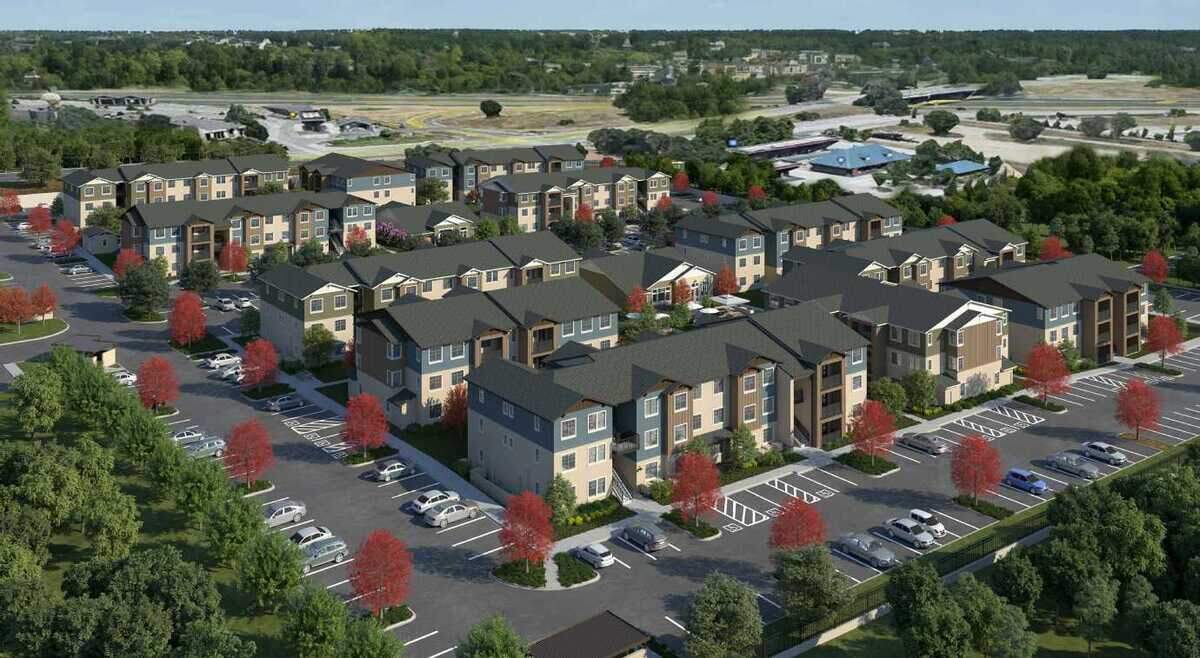
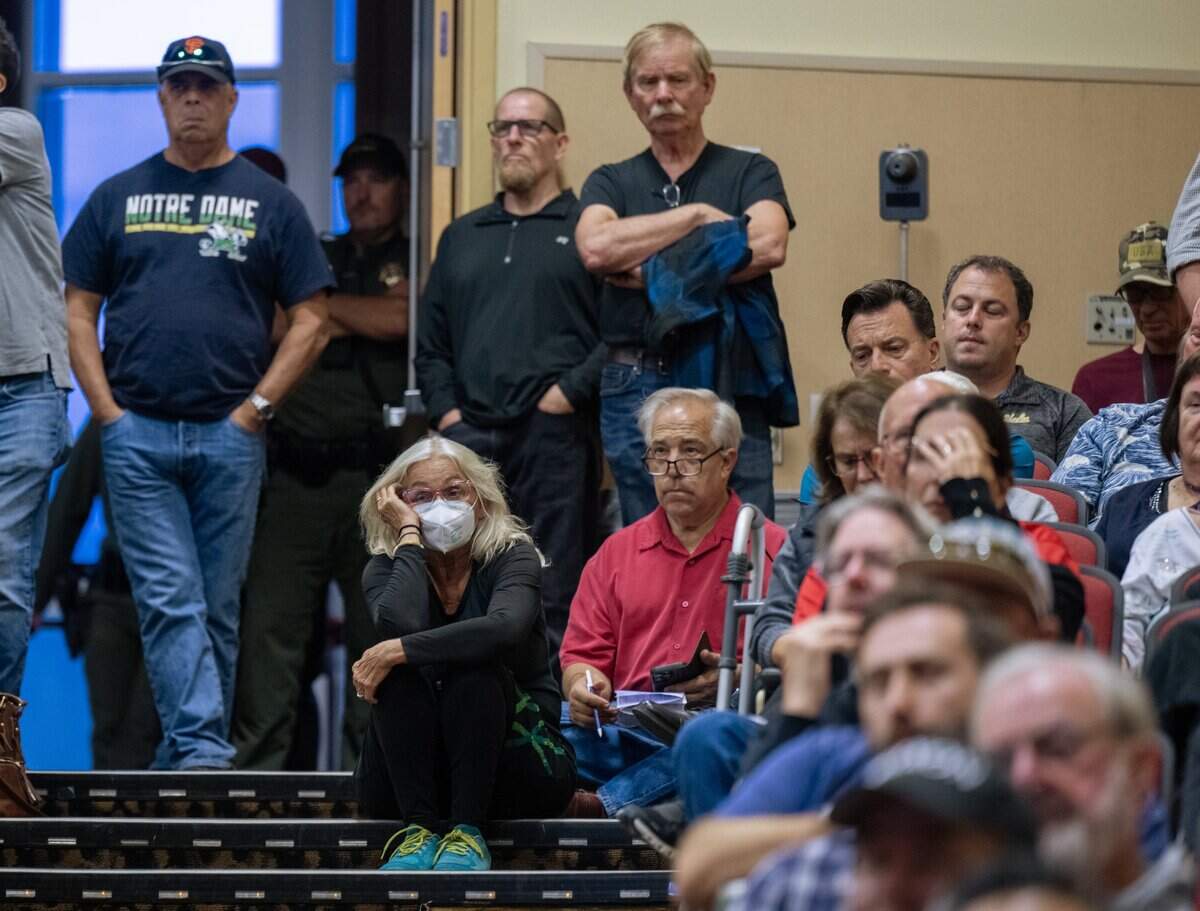
After hours of presentations and public comments Thursday, the Placer County Planning Commission was almost ready to vote on a 240-unit apartment complex that had roiled a small community near Rocklin.
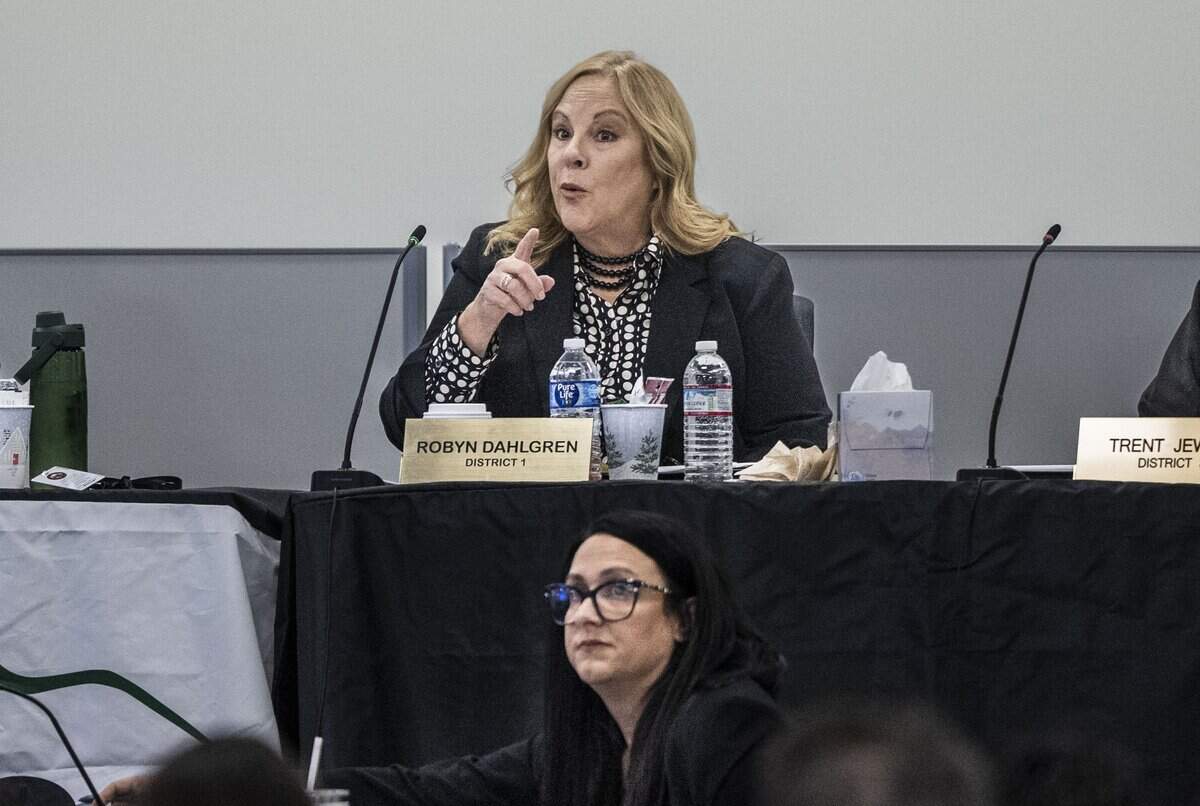
Chair Robyn Dahlgren had concerns about what the development could mean for firefighter and police response times. But in her closing remarks she took a moment to vent about the California Legislature.
“They have taken away our discretion,” she said, “the Board of Supervisors’ discretion, the community’s voice, on purpose.”
Then, she proceeded to cast the key vote to prevent the project — for now — from moving forward. That came despite warnings from the board’s attorney that doing so could put the county out of compliance with a state housing agency and lead to a lawsuit from the California Attorney General’s Office.
The act of defiance might not catch the attention of state legislators. None were in attendance at the meeting.
Yet the ongoing battle over the affordable housing project is as much about local frustration over what some see as overbearing state legislators as it is about concerns over what the development could mean for traffic, school enrollment and evacuations in the event of a major fire. “It’s unfortunate that the Legislature has made it really hard on communities,” Brian Myers, who chairs Placer Citizens for Neighborhood Rights, an advocacy group founded to oppose the project. “Today’s hearing seemed to be all or nothing.”
In part, that’s by design.
Changes to CEQA
Legislators and Gov. Gavin Newsom in recent years have pushed through laws to speed up home building in the state to try and address its expensive housing prices.
Many of those efforts have targeted the California Environmental Quality Act, known as CEQA, by adding exemptions to make it more difficult for local governments and opponents to slow down projects with environmental reviews.
Clayton Cook, an assistant county attorney, told commissioners during Thursday’s meeting that the Legislature had placed limits on how the planning board could treat the project, called Hope Way Apartments.
“You have state law that’s mandating that these are essentially not subject to CEQA,” he said. “So even if there is a little bit of wiggle room, the state law essentially carries the day.”
Jason Holder, an environmental and land use attorney representing Placer Citizens for Neighborhood Rights, argued otherwise. In letters to the commission, he said the project should not be exempt from the state environmental law. The Hope Way application “remains incomplete, seeks multiple deviations from mandatory standards, and triggers environmental and safety concerns that require full CEQA review,” Holder wrote in one of the letters. He said the developer lacked air, tree, riparian and aquatic reviews that were critical to evaluating the project’s effect on the environment.
When asked if his objections were just another example of local residents trying to use the state’s land environmental law to try and delay a housing development they don’t want, Holder said no.
“At first blush, you are a little skeptical about a potential CEQA challenge to an affordable housing project,” he said in an interview days before the meeting. “But if you look into this, I think you’ll see all the ways in which rules have been bent.”
Sonja Trauss, executive director of YIMBY Law, a pro-housing organization, wasn’t so charitable.
“It’s an example of the kind of behavior that has caused California’s housing crisis over the years,” Trauss said in an email. “One cigarette won’t give you emphysema, but a lifetime of smoking will. This opposition is like one cigarette. If we want to have a healthy state, with housing for all, and all of the benefits that entails, then people all over the state have to stop opposing housing when it is proposed.”
Daniel Golub, an attorney representing USA Properties Fund, the project developer, told the board Thursday he disagreed “with essentially everything” that was said in Holder’s letters.
The county had identified the project site as part of a state mandated housing plan, so denying it would be unlawful, Golub added.
Uncertain future
Cook, the county attorney, issued a similar warning.
The developer requested that buildings in the Hope Way complex be one story higher than the current area land use standards allow, along with other exemptions it can ask for under state law. The board can reject those requests, Cook said, but would likely need to defend that decision with the California Department of Housing and Community Development.
A fight with the state could result in fines, and lead to lawsuits and the county losing its ability to set land use rules on future developments, he added.
“In short, the repercussions are significant,” Cook told the board.
“So we just have to say yes?” Dahlgren, the board chair, asked the attorney.
“You have to have evidence supporting a decision that there is either a health or safety impact or a violation of federal or state law,” Cook replied.
Before casting her vote against the project, Dahlgren conceded that she didn’t have that evidence.
“I want affordable housing,” she said, adding she just doesn’t want it be overly concentrated in one development.
After the meeting, Milo Terzich, a vice president of development for USA Properties Fund, said he did not know what the company would do next. But he did not rule out appealing the decision to the Placer County Board of Supervisors.

That decision is likely to be closely watched.
The California Housing Defense Fund, on organization that sues local communities who it argues are violating state housing laws, submitted a letter to the planning board before the meeting urging it to approve the development.
“We are always concerned if cities or counties reject housing developments of any kind and when it’s 100% affordable it’s doubly concerning,” Dylan Casey, the organization’s executive director, said in an interview Friday morning.
If the project is rejected by the Board of Supervisors, Casey said, “we would very likely consider a lawsuit.”
This story was originally published October 18, 2025 at 5:00 AM.
CORRECTION: A previous version of this story incorrectly described a request that USA Properties Fund made about the Hope Way project.