How a Sacramento woman’s grandad made it possible for Trump to threaten Greenland
AI-generated summary reviewed by our newsroom.
- Danish diplomat gave U.S. access to Greenland in WWII over objections of occupied Denmark.
- Emergency wartime measures hardened into lasting U.S. presence on Greenland.
- Amid Trump rhetoric, 1941 move echoes in geopolitical debate over sovereignty, security.
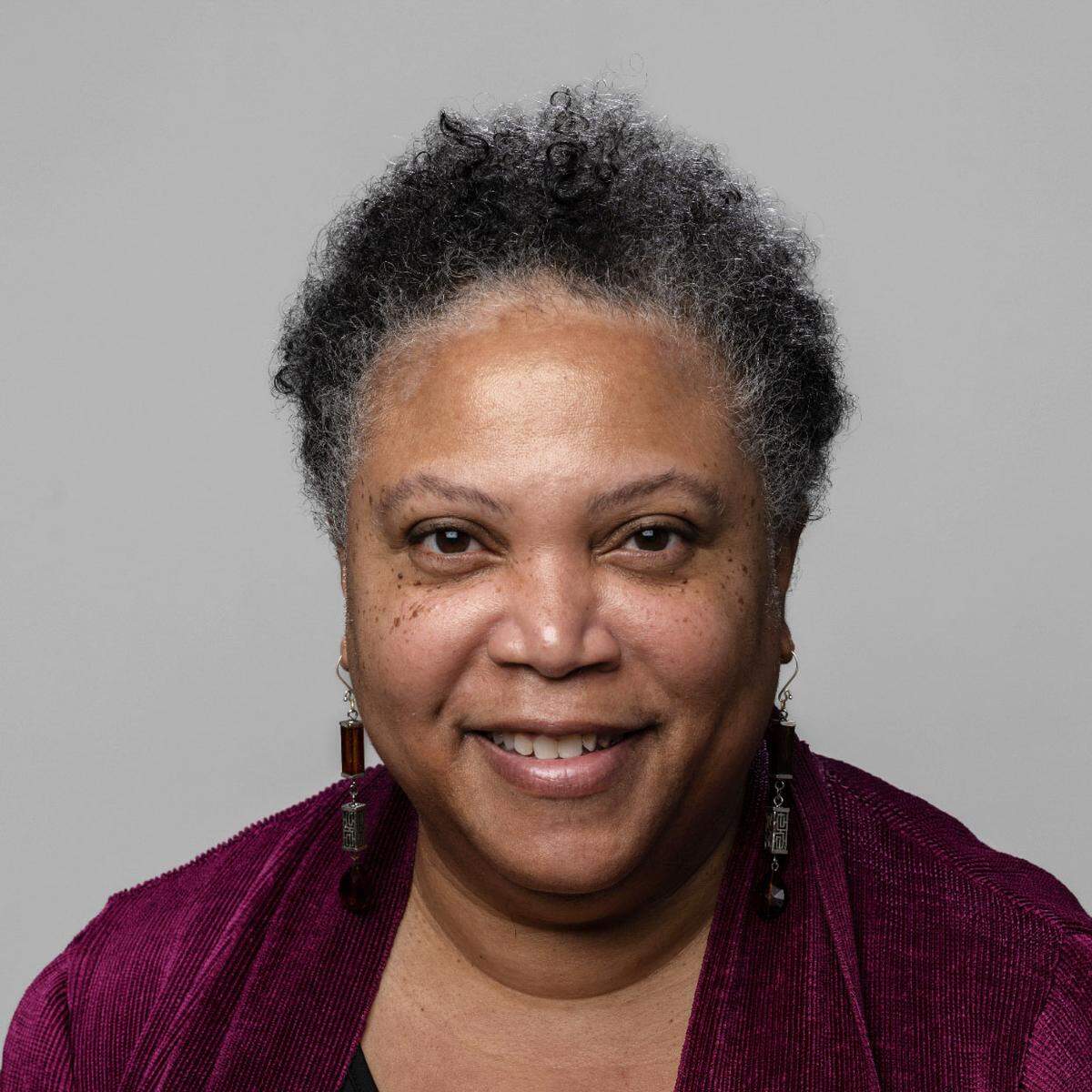
When President Trump threatened to annex Greenland last month, a woman in Sacramento thought of her grandfather, whose audacious move 85 years ago inadvertently opened the door to U.S. aggression that startled her and the world.
The first time Bettina Redway really felt her grandfather Henrik Kauffman’s shadow fall across the present, it wasn’t in an archive or a classroom. It was in the headlines.
Greenland. Again.
For most of her life, Greenland had been a strange family word — half legend, half footnote. It floated through conversations the way old wars do in families that survived them: enormous, settled, safely in the past. The largest island in the world, nestled between the Arctic and Atlantic oceans, Greenland is a territory of Denmark rich in precious minerals and strategic value.
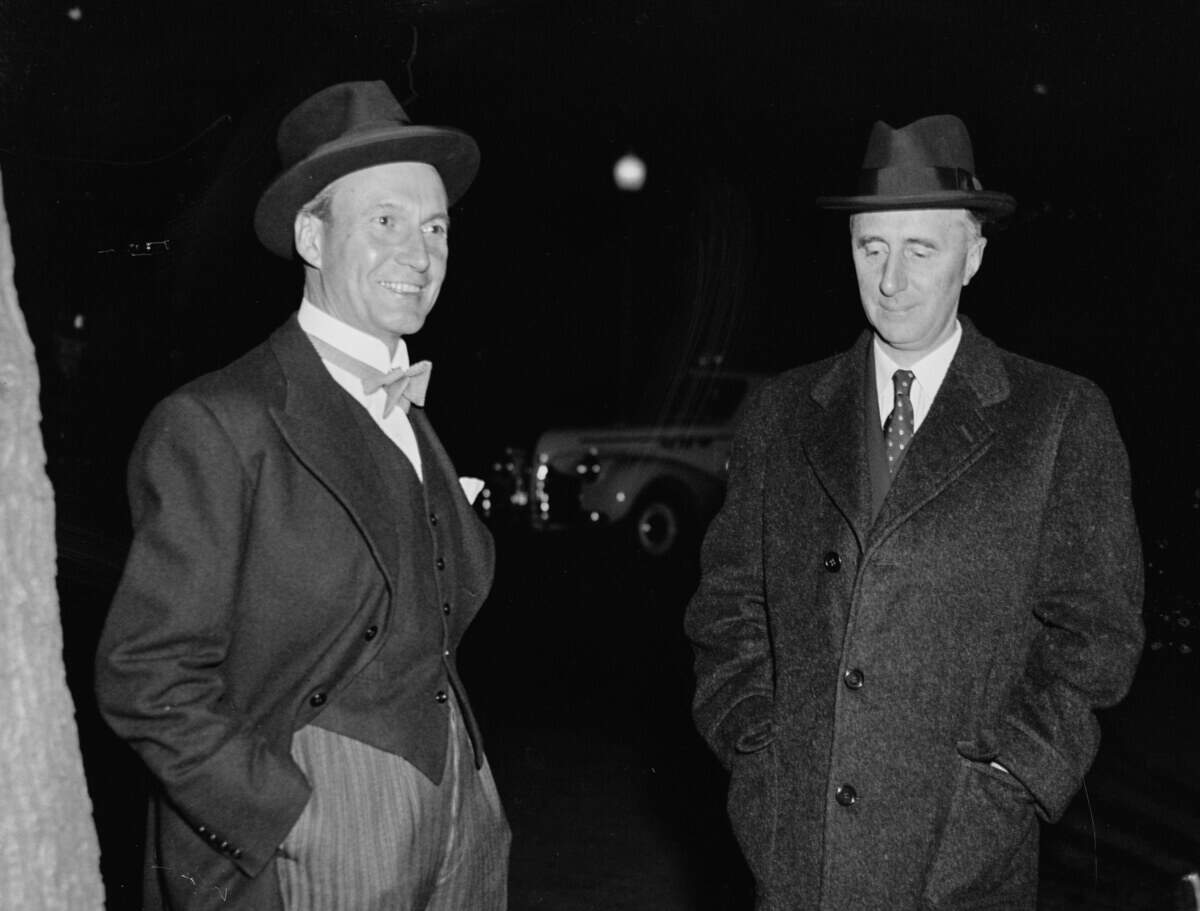
Kauffmann had been Denmark’s ambassador to the United States during World War II. He had done something bold then, so bold that even now it sounds unreal.
Acting without authorization from Copenhagen and on contested legal grounds, Kauffmann signed the 1941 Greenland defense agreement giving the United States access to Greenland for military defense.
Now his granddaughter in Sacramento has seen how easily a one-time wartime exception can harden into a reusable script after Trump invoked “national security” to blur ordinary rules of sovereignty.
Her grandfather was fighting Nazi occupation
“When my grandfather did it, it was in order to restore balance and sovereignty to occupied Denmark,” she said. “I would distinguish that from what is happening here where the U.S. is reaching for power as simply a resource grab. You could say it’s for our military security, but I think there’s a lot more at stake there in terms of mineral access and shipping access.”
Redway, who grew up in Washington, D.C., came to California after college “in search of adventure,” but stayed for good after a rafting trip down the Stanislaus River. Although hundreds of miles from the Beltway, the politics of borders and power managed to reach into her quiet retirement.
When Trump floated the idea of acquiring Greenland, most of the reaction centered on whether he was serious, trolling allies or simply changing the subject. Far less attention went to whether a strategic U.S. necessity should justify extraordinary reach.
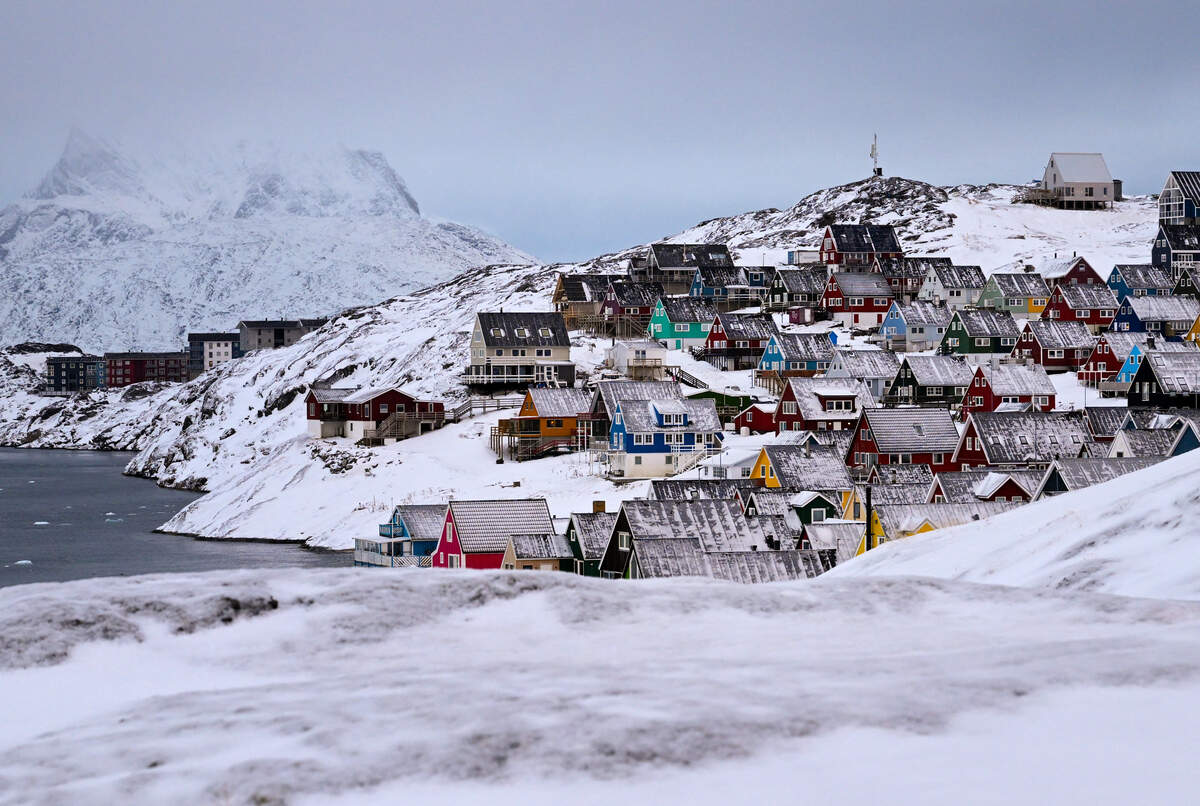
Kauffmann’s wartime move was born in a moment when extraordinary reach was far from hypothetical. In April 1940, German troops crossed Denmark’s border. The Danes capitulated within hours, and Copenhagen pursued cooperation under occupation.
However, Kauffmann was in Washington D.C. as his country disappeared behind enemy lines. He adopted the position that a government operating under coercion could not protect Danish interests.
So he broke with it. He declared he could not take orders from an occupied Danish government and began acting as the representative of a “free Denmark.” Redway, describing what that looked like in practice, called it “bully pulpit stuff” -- improvised, untethered from the rules, a stretch of his office.
But it worked.
Henrik Kauffman made it possible for Americans to access Greenland
In 1941, the United States had a logistics problem. Aircraft and supplies needed to move across the Atlantic to Great Britain. Planes could not reliably cross the ocean in a single flight then, and the Americans needed a stepping stone. Lying 18 to 24 miles northeast of the Canadian coast, Greenland sat on the edge of the range.
Without Danish consent, landing there risked a diplomatic crisis and potentially an escalation with Germany. With Kauffmann’s signature, it became a formal agreement, one that gave President Franklin D. Roosevelt far more room to maneuver. Supplies could move. The war tilted, however slightly, toward the Allies.
In Redway’s family, Kauffmann became more than a grandfather. He became a figure of scale, proof that a diplomat from a small country could bend the course of events.
She grew up hearing that his decision helped preserve something beyond Denmark’s immediate survival. It preserved the Danes’ ability to maintain that they had not freely surrendered to the Nazis.
And it wasn’t just Greenland. Redway said family understood Kauffmann’s role as helping to ensure Danish ships and assets outside occupied Denmark were not controlled by Germans, keeping them aligned with the Allied cause.
Redway recalled the story as contagious, an example that reverberated through a world of collapsing states. Other diplomats from occupied countries, she said, pursued similar breakaway claims of authority rather than obeying governments operating under occupation.
Her grandad was accused of treason
History has largely judged Kauffmann kindly. During the war, Copenhagen accused him of treason and stripped him of his rank. After Denmark’s liberation in 1945, that judgment reversed. In the postwar settlement, the very thing that had made him a traitor -- independent action in the name of national survival -- made him useful.
His 1941 agreement, revised over time, became the legal basis for the enduring U.S. presence at Thule Air Base, now Pituffik. And, in the next phase of Kauffmann’s career, he helped bring Denmark into the founding of the United Nations, the institution meant to prevent unilateral territorial domination and make “necessity less available as a pretext.
That, Redway said, is why the Trump moment feels like historical whiplash.
Posterity had largely accepted her grandfather’s move as a wartime necessity, said Ole Wæver, director of the Centre for Resolution of International Conflicts at the University of Copenhagen, but ‘necessity’ can be hard to disprove and therefore easy to recycle.
Redway does not romanticize her grandfather’s decision, saying “ultimately, human beings do seek power. A wartime workaround, however, should not become a peacetime necessity, she said.
In 1941, Wæver said, the United States “was going to do what it was going to do militarily, no matter what any Dane or Greenlander said.” Kauffman’s maneuver was not about empowering Greenland, he said, but about preventing an outright violation of Danish sovereignty.
The Americans never really left Greenland
This is why recent claims that Greenland was “American” are historically wrong, Wæver said, because the United States operated not over Denmark but for Denmark through a rogue representative.
The more consequential story, though, is what happened after the emergency, Wæver said. Many Danes wanted the Americans out after the war, he explained, but pushing too hard risked a worse outcome, either a more visible override of Danish sovereignty or a political rupture around Greenland.
So, Denmark formalized what had begun as necessity. Over time, the arrangement proved advantageous, a channel of U.S. goodwill Denmark could deploy elsewhere.
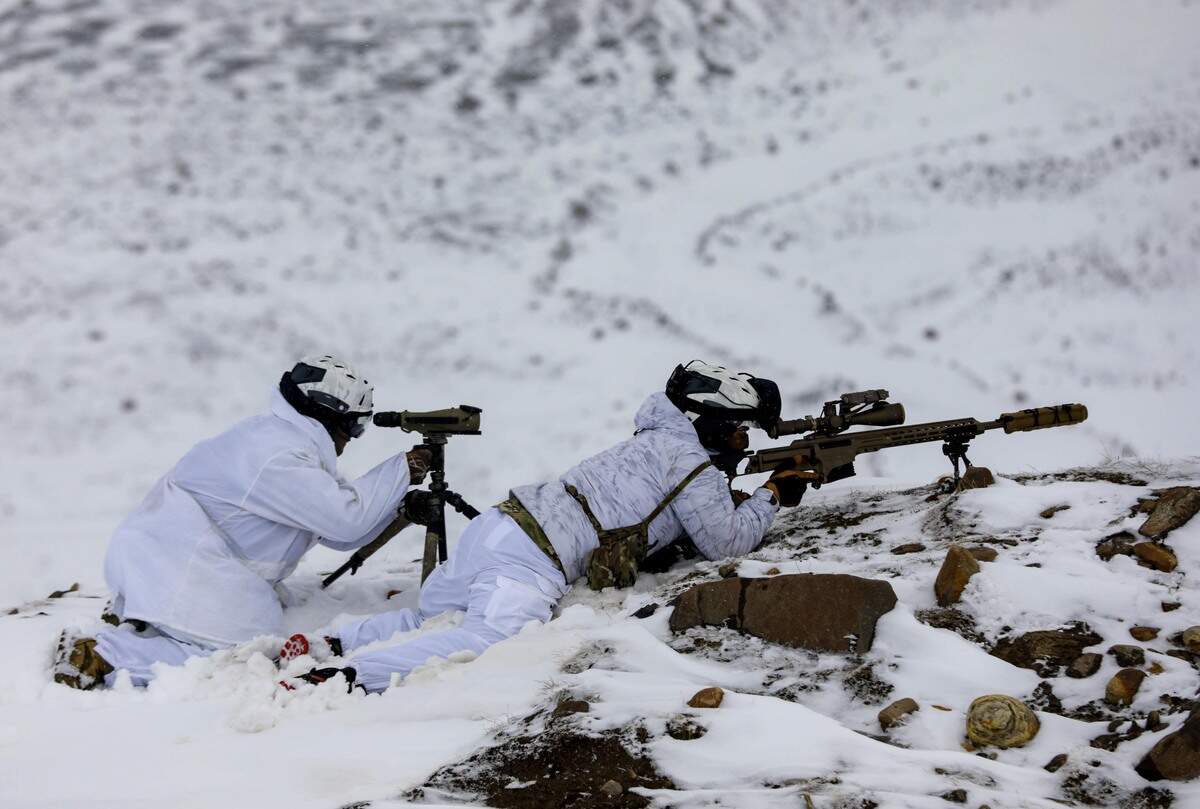
It’s an example, Wæver said, of how emergency measures harden into structures, not always through formal celebration but through inertia and a lopsided power dynamic that makes reversal costly.
“His exceptional moves were normalized,” Wæver said. “As we moved into the post-war period, it proved impossible to undo them because the U.S. insisted on the bases.”
For Redway, that history has become newly alive. When Trump revived his idea of acquiring Greenland, her first response was disbelief. Surely it was a joke. But as the rhetoric persisted, she said, the abstract became personal, not because she feels responsible for her grandfather’s legacy but because she recognized the ease with which exceptions can become precedents.
What troubled Redway most, she said, was the tone. She said her grandfather acted to prevent domination, not enact it.
This story was originally published February 10, 2026 at 5:00 AM.