What’s with the ‘giant message center poles’ just off CA Highway 50? Are they a hazard?
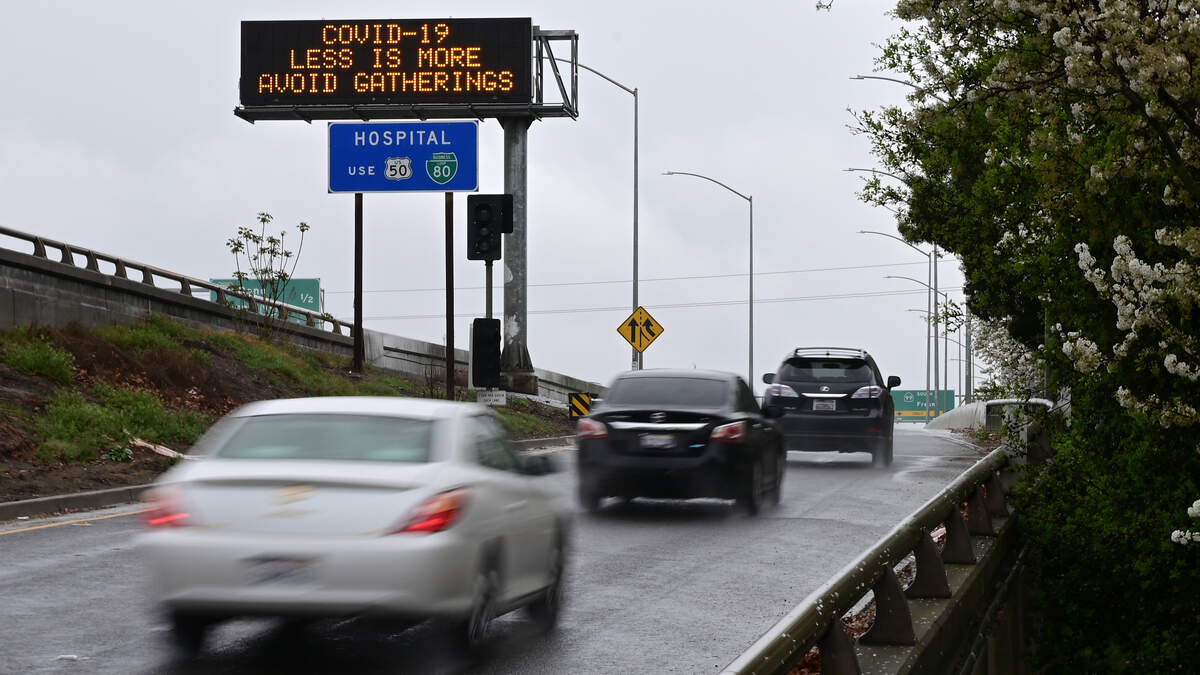
If you’ve ever been driving down a highway, you’ve more than likely noticed a changeable message sign standing high above traffic. It probably read “click it or ticket,” “exit to text it,” or “one lane ahead; prepare to stop.”
Robert Schewe asked Bee Curious, a community-driven series in which our journalists answer reader questions: “Why did they install giant message center poles in the shoulder of Highway 50, right next to traffic? Seems like they’ll cause accidents daily.”
The Bee reached out to the California Department of Transportation to find the answer.
What are the signs used for?
The signs should be used for guidance and traffic information that will impact travel down the State Highway System, according to the Changeable Message Signs Guidelines handbook.
Dennis Keaton, spokesman for Caltrans, said the signs are placed for informational purposes depending on where they need drivers to be informed on important matters, including accidents or detours for exit ramps.
“We’re not the only ones that use them. The CHP actually places messages on there too for Amber Alerts or if there are detours due to police action,” Keaton said.
What determines sign location?
The location for placing a changeable message sign, or CMS, is determined in advance of major decision points where motorists can respond to the information displayed. It should be located as close to the edge of traveled way to maximize visibility, according the handbook.
“We want the message to be visible,” Keaton said about the sign’s proximity to the highway. “You want to get the attention of the driver.”
According to the handbook, a CMS should be located so that motorists can:
▪ Notice the sign
▪ Read and understand the sign
▪ Make appropriate decisions from the information
How are the messages chosen?
Keaton said CMS messages should provide motorists with real-time information and, sometimes, a suggested course of action. Messages should encourage motorists to make appropriate driving decisions ahead of time.
“Messages are approved by headquarters statewide,” Keaton said. “They are changed periodically.”
Are the signs an accident hazard?
Keaton said that he is not aware of the signs causing any accidents.
“They’re not really fancy like advertisement boards to distract the driver,” Keaton said. “They’re pretty basic, so that you’re reading a message and that’s the purpose.”
This story was originally published June 22, 2023 at 12:00 AM.