
McClatchy freezes some executive pensions pending federal negotiations
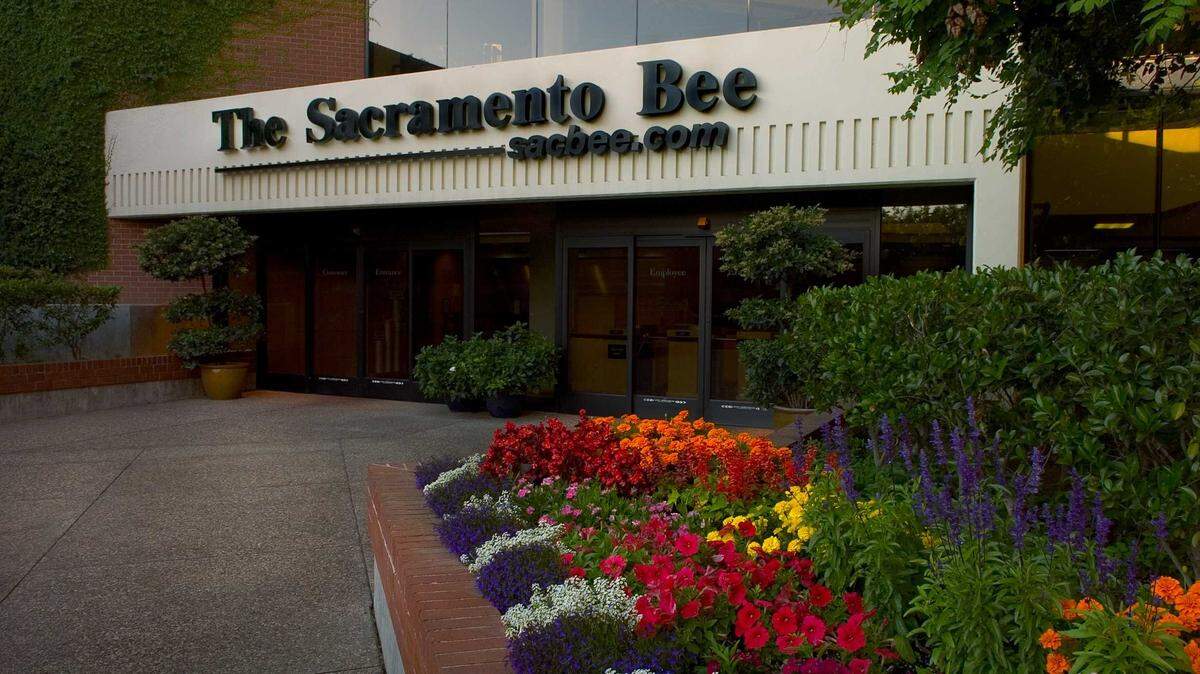
The McClatchy Co., owner of 30 newspapers including the Sacramento Bee, disclosed Thursday that it will stop paying supplemental or non-qualified executive retirement benefits.
In a press release, the company’s Chief Financial Officer Elaine Lintecum said a small number of former executives will see their non-qualified pension benefits eliminated for now but will continue to receive the portion their pensions that are guaranteed and insured.
Lintecum declined to say how many former executives would be affected, but other company officials said just under 600 people were affected by the freeze. A majority of those are former employees of the Knight Ridder newspaper chain, which McClatchy purchased in 2006, and in total represent about 2 percent of the 24,000 people under McClatchy pension plans.
“While we are actively negotiating the future of the pension plan that benefits all pension recipients, we decided it would be inconsistent with our culture to make a payment to a small number of people who receive additional payments under a different plan,” McClatchy chief executive Craig Forman said in a statement to staff early Friday.
McClatchy announced in November it has launched negotiations with the federal Pension Benefit Guaranty Corp. over terms for the agency to take control of managing McClatchy’s pension program, which provides payments to more than 24,000 retirees.
McClatchy revealed it faces $124 million in pension fund payment obligations in 2020, prompting it to approach the PBGC in hopes the federal government guarantor will take over control of the payouts associated with the program, and release McClatchy from the upcoming pension payment obligation.
Lintecum said the qualified pensions, covering 24,00-plus former employees, will continue to be paid in full if the PBGC becomes the pension program administrator.
McClatchy’s problems come as much of the newspaper industry struggles in the internet era and the transformation to digital publishing. But McClatchy has struggled in particular in paying off debt from the $4.5 billion takeover of the Knight Ridder publishing company in 2006. McClatchy has since paid that debt down to $708 million.
In a posting on Facebook on Thursday, former Knight Ridder employees whose pensions were transferred to McClatchy’s control said they had not been notified of the pension freeze before the company’s press release. When they called to get more information, they were referred to an El Segundo firm that handles corporate reorganizations, Kurtzman Carson Consultants LLC.
In a Nov. 13 press release, McClatchy also announced it is in negotiations with lenders on restructuring the company’s debt payments.
“This has no impact on the Company’s continuing operations, or any benefits covered by McClatchy’s $1.3 billion qualified pension, whose distributions continue as before,” the company said in its statement. “The company has sufficient liquidity to address all of its ordinary course operational cash needs and obligations at this time.”
McClatchy said it approached the government about the pension plan after the Internal Revenue Service rejected McClatchy’s request for a three-year waiver on its required pension contributions. Without the waiver, McClatchy is due to pay $124 million into the plan next year, a sum that “greatly exceeds the company’s anticipated cash balances and cash flow.”
Pending the outcome of those multiple discussions, Lintecum said the company cannot “provide additional guidance beyond the information already contained in its November 13th press release but will disclose the appropriate information at the conclusion of its discussions.”
McClatchy revealed in November it had begun talks with its largest debt holder, New Jersey hedge fund Chatham Asset Management, about restructuring more than half of the publisher’s daunting debt load.
In a November filing with the Securities and Exchange Commission, McClatchy said it might have to file for bankruptcy if it can’t offload the pension plan to the government, make a deal on its debt with Chatham, or both. Bankruptcy doesn’t mean the company’s 30 papers would close. The company would almost certainly come out of reorganization with at least some of its debt resolved.
“We are considering a restructuring that will allow us to potentially find a long-term solution to our pension and debt structure,” Forman said on a conference call with investment analysts in November. “We cannot assure you that these efforts will be successful.”
Over the past year, McClatchy stock has dropped from $7.95 a share to $0.46 a share as of midday Friday.
This story was originally published January 2, 2020 at 4:21 PM.