
Card rooms in Rancho Cordova, Marysville to be sold as part of settlements with California AG
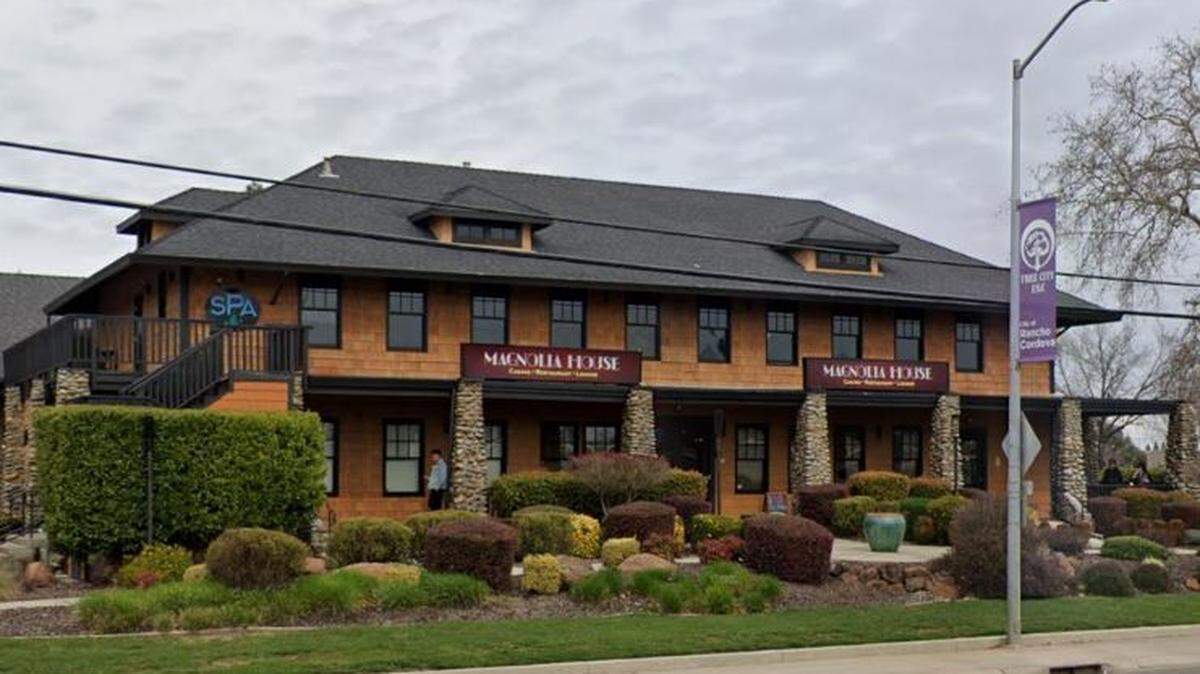
Shut down by regulators since January over financial troubles, the owner of a Rancho Cordova card room has agreed to find a buyer for the club in a settlement with the state.
The settlement will allow Magnolia House Casino to resume operations — once California card rooms get the green light from Gov. Gavin Newsom to reopen — as long as it straightens out its cash management and provides weekly accounting to state regulators.
Even so, majority owner Thomas B. Sheridan will have to sell the card room within 12 months under the settlement with Attorney General Xavier Becerra’s office.
Becerra also announced settlements that will require the sale of card rooms in Marysville and Paso Robles.
The owner of Casino Marysville, a small card room in Yuba County, agreed to sell his facility as well after being accused of violating rules governing table games. The owner, Sau Phong, will pay $50,000 in fines.
And the owner of Paso Robles Central Coast Casino, Donald Ezzell, agreed to sell the club after the state accused him of improper use of funds, failing to provide surveillance videos to regulators and other problems. Ezzell agreed to pay $65,000 for the costs of the investigation.
Becerra ordered Magnolia House closed after “multiple reviews of its finances revealed that it was seriously underfunded, threatening significant losses to patrons and players,” according to filings investigators made with the California Gambling Control Commission.
The card room was unable “to maintain sufficient funds to cover the cost of patrons cashing out their chips,” the investigators said.
In an interview in January, Sheridan said he had fixed the “deficiency on the cash” and was anxious to reopen. The settlement he signed includes a lifetime ban on any involvement in the gaming industry in California. He also agreed to pay the state $50,000 for its costs associated with the case.
The settlement doesn’t cover Sheridan’s co-owners, Ruben Marquez and Blanca Marquez, who are passive partners in the business. Sheridan owns 90 percent of the club’s stock.
The shutdown came about a year after the card room opened. The club has 10 card tables, making it one of the state’s smaller card rooms.
Card rooms are a $1 billion-a-year business in California but many have struggled to compete against their wealthier rivals, the state’s Indian casinos. The tribes have exclusive rights to operate slot machines, which are generally more profitable than table games.
All 70 or so of California’s card rooms have been closed by the governor’s COVID-19 shutdown. Tribal casinos — which are sovereign territory and don’t need Newsom’s permission — have begun reopening. Newsom hasn’t yet said when the card rooms can reopen.