
Sacramento forced to use money from general fund to pay off Golden 1 Center bonds. Here’s why
The city of Sacramento’s plans to use parking revenue to pay off $273 million in construction bonds for Golden 1 Center has developed funding cracks, forcing officials to use money from the city’s general fund, a pot of money that also pays for homelessness services, libraries and parks.
The problem: Too many empty spaces in Sacramento’s five garages, a continuing hangover from the COVID-19 pandemic. This has forced the city of Sacramento to divert from its $771 million general fund more than $5.7 million over the past two years to pay off the construction bonds.
With the preseason finishing Oct. 19, the Kings hope to return to another playoff-bound campaign Oct. 25, with the first home game against the Golden State Warriors Friday, Oct. 25.
But city officials said even as the Kings have filled Golden 1 and other entertainment events have resumed, remote work has left downtown office buildings only partially filled, lessening the demand for parking spaces.
“Obviously we’ve all been through some tough times since March 2020,” said Brian Wong, the city’s debt manager.
Golden 1 construction bonds had been issued in 2015 and the city’s plan was for about 30% of the payments to come from the revenue of the city’s five parking garages, three in downtown and two in Old Sacramento. This would add up to about $147 million over the 35-year lifespan of the bond.
The actual garage in Golden 1 Center is owned by the Kings, part of a land transfer the city made to the Kings as part of the deal to build the center.
When the bond was issued in 2015, an emergency fund was created to cover any parking revenue shortfalls. At that time, $5.3 million was placed in the fund.
As of July 2018, the emergency fund balance had risen to more than $18.7 million. In the subsequent years, the city used some of that money to make the bond payments — even prior to the pandemic there existed a shortfall between the actual and the projected parking revenue.
In 2020, the Kings fell several games short of a full home season, which meant, according to their contract, that the city would reduce the team’s bond payment to $5.7 million that year instead of $6.5 million. The city took the $800,000 from the general fund to pay for the Kings’ portion of the bond.
The Kings contract with the city stipulates that they must also contribute to the bond payments. Over time, the team’s annual lease payment will cover about 70% of the bonds, but the city bears a much greater responsibility for the payments earlier in the life of the bonds.
Wong said the city is obligated to make its payments to bondholders on the arena whether there is enough money in the parking fund or not.
“Otherwise there would be ramifications to the city’s credit rating and reputation,” Wong said.
A missed payment would damage the city’s investment grade credit rating and would result in Sacramento residents paying higher interest on future bond offerings.
Will the parking shortfall last?
More diversions from the general fund to pay for the bonds are likely to take place over the next several years. The city projects a parking revenue deficit as it relates to the bonds of $7.12 million between fiscal years 2023-24 and 2027-28.
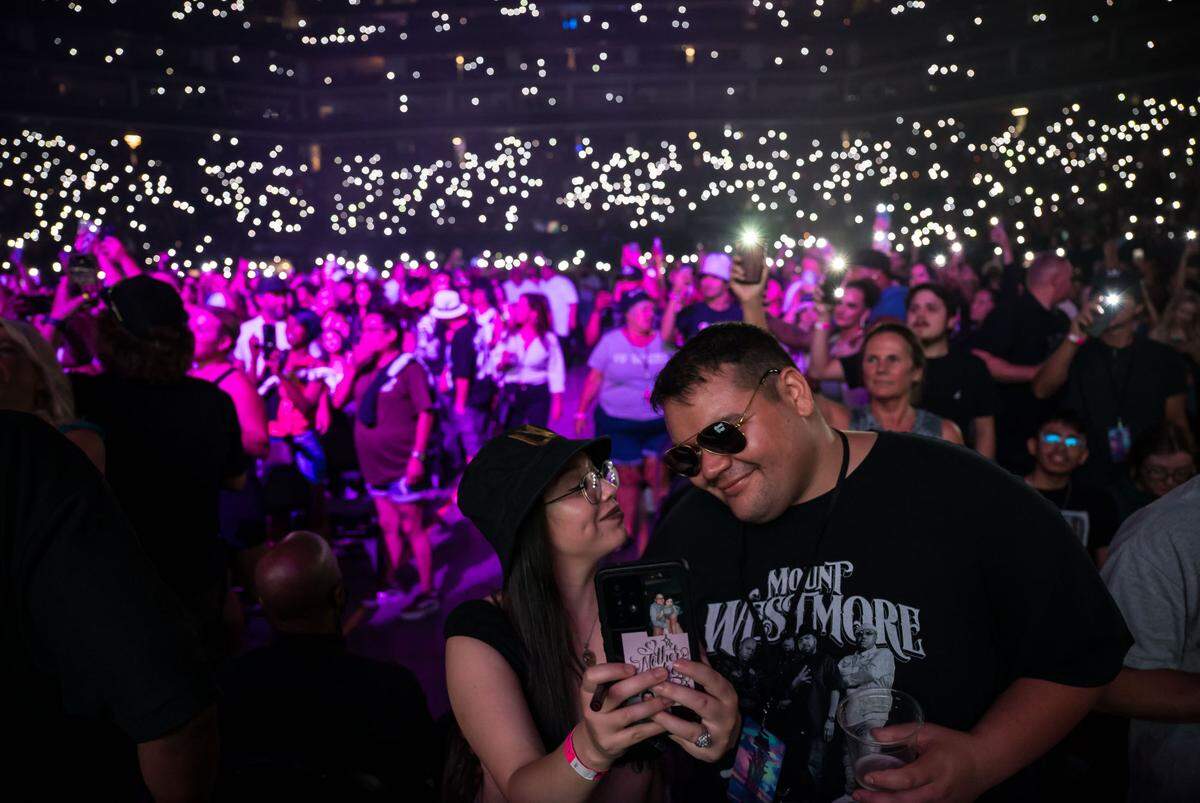
Even though the Kings games are back and attracting large crowds due to the basketball team’s playoff run and concerts have returned, parking revenue has lagged.
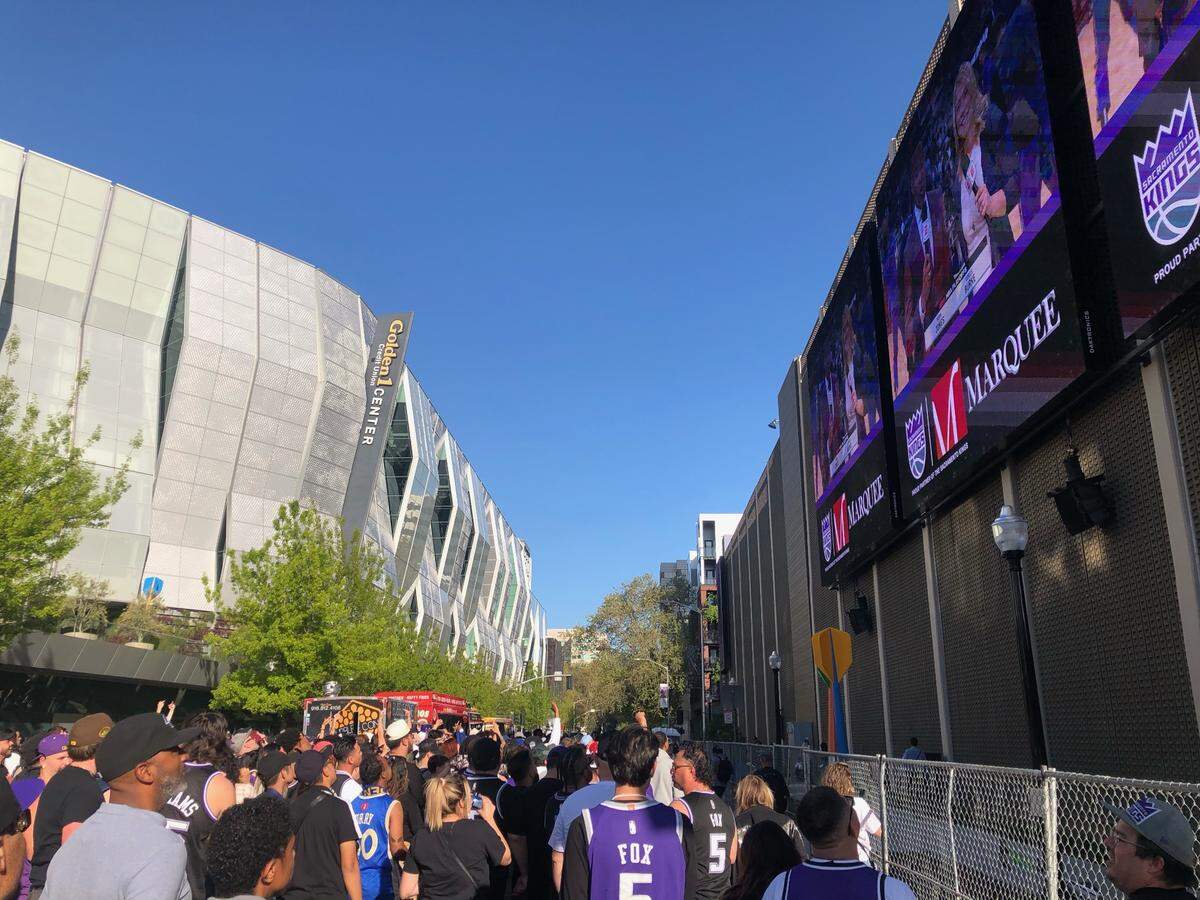
Parking revenue had dropped to as low as 50% of the pre-COVID-19 revenue in the 2021-22 fiscal year. The city expected parking revenues to be 79% of pre-pandemic revenues in the 2022-23 fiscal year that ended June 30, or about $14 million.
The city said there is an end in sight to the parking fund shortfalls, but it will take until the beginning of the 2029 fiscal year to come to fruition. Officials said revenue will rise 5% year over year in 2026-27 and have smaller increases after that.
“We’re starting to see events come back,” said Matt Eierman, the city’s parking services manager. “Everything is in full force. We’ll have four or five events going on at the same time. We have the convention center open and residential units that have been built downtown.”
The current yearly bond payments amount to $18 million of which the city is responsible for $10 million. The entirety of that payment is supposed to come from parking revenue. The Kings are responsible for the other $8 million.
Over time, the King’s bond payments will increase while the city payments decrease. Bond documents, however, show that it will be another decade before the Kings and the city split the payments evenly. The bonds go through 2052.
Can we blame it all on the pandemic?
The Kings only signed on to build their arena in downtown Sacramento after city officials agreed to pay for about half the construction costs. This deal was part of a major effort to rejuvenate downtown.
Critics back in 2014 had argued that the city’s plan was too risky because it relied on growing parking revenue.
City officials acknowledged they would have to tap the general fund if the parking revenues fell short — but insisted it wasn’t likely to happen.
“I feel comfortable we’re on track to hit these targets,” said then-Assistant City Manager John Dangberg shortly before the arena opened in 2016.
But that optimism didn’t align with reality.
City officials estimated that parking revenue would jump from around $15.5 million to more than $26 million after Golden 1 Center opened in 2016. However, the revenue only rose to $20.3 million and then slightly dropped over the subsequent years, according to an examination of city figures.
This story was originally published October 19, 2023 at 5:00 AM.