Experts forecast strong Sacramento housing market. Return-to-office effects still unknown
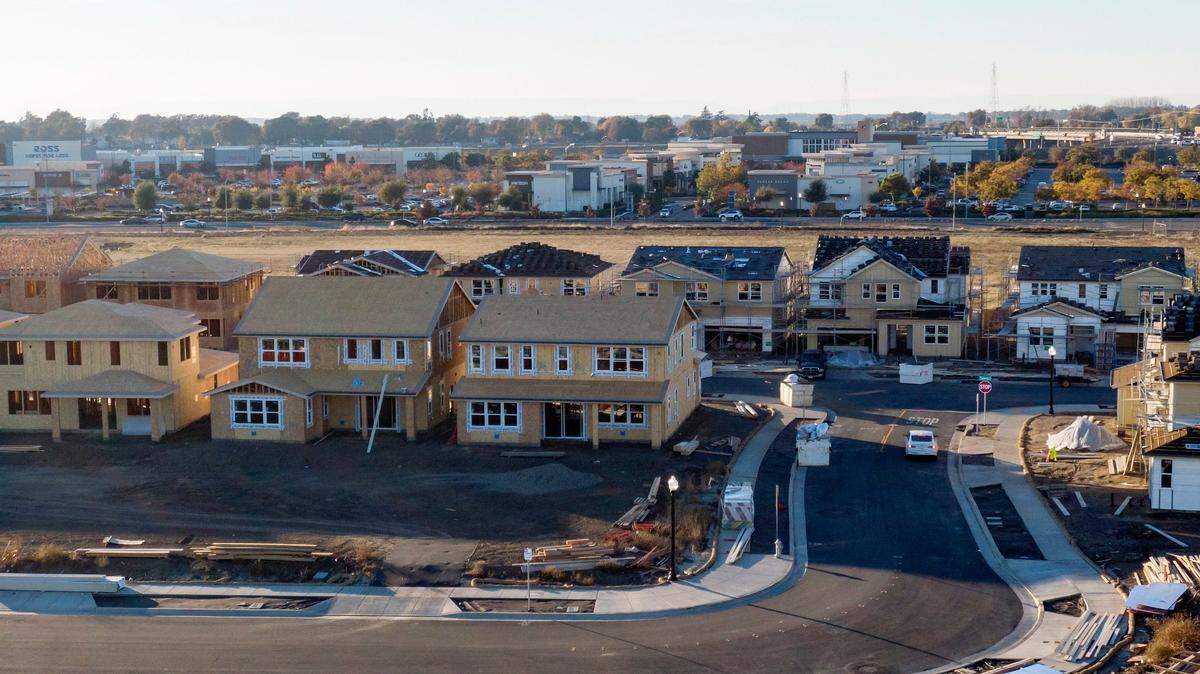
Sacramento’s housing market should benefit from expected declines in mortgage rates, but the region may be challenged by large, Bay Area employers’ commitments to bring workers back to the office, industry experts said Thursday.
During an economic forecast event hosted by the North State Building Industry Association, Sanjay Varshney, founder and principal of Goldenstone Wealth Management, said Sacramento benefited from the rise of remote work during the pandemic, but the pattern may be poised for a reversal as large firms like Amazon call workers back to the office.
“That trend is going to hurt us,” Varshney said. “My neighbors, who moved here from the Bay Area, are hitting the road two to three times a week.”
He also cautioned that the region’s jobs market could be stronger. He referenced the recent layoffs at Intel’s campus in Folsom and losses in manufacturing. Today the Sacramento region has a higher unemployment rate, at 5.3%, than the state or the U.S., at 5.2% and 4.1% respectively.
Mollie Carmichael, principal at the housing market research firm Zonda, said she believes some of the remote-work shift has become permanent. Overall, her firm expects 2025 will be a strong year as mortgage rates are pared back.
“We’re actually pretty bullish about next year,” she said. “There are a lot of positive signs, and we think the market is going to be great.”
Some consumers have been putting off buying homes, she said, because they’ve been reading for months that rates are about to drop.
“Would you buy today, if you knew rates were going to go down?” she said.
Home builders are also decreasing size, Carmichael said, in response to demands for affordability. And if mortgage rates fall below 5%, she predicted, the housing market will change dramatically. Many consumers, she said, say they want to buy at or below that watermark.
Home-buying habits are going through broader changes, Carmichael said, as the pandemic changed the way that people view their homes. In the past, she said, many viewed their homes as places where they spend a fraction of their time. Today, homes have become residents’ workplaces, or classrooms for remote students.
Overall, Carmichael said, there is greater optimism in the industry.
Still, Varshney said he’s doubtful that mortgage rates will fall as far as 3% or 4%, as some consumers expect.
“Anybody who’s been waiting patiently, hoping that they’re going to see those kinds of rates again, is probably going to be disappointed,” Varshney said.