How will a second Trump term play out for Sacramento’s central industries? Experts weigh in
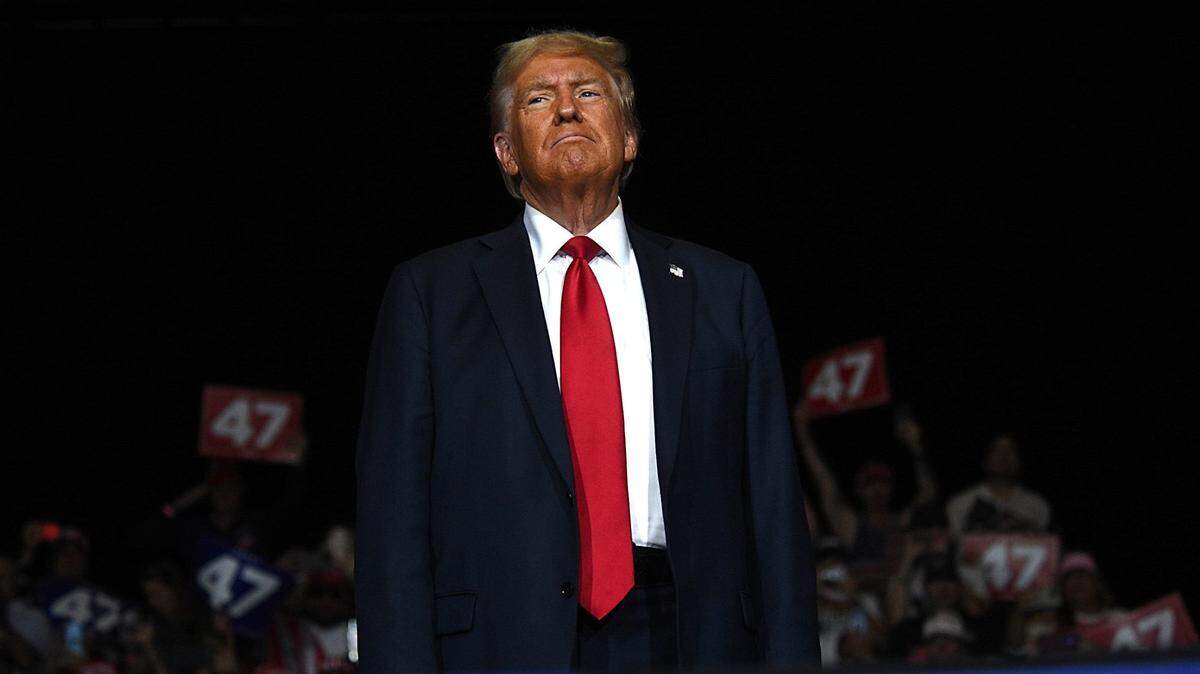
President-elect Donald Trump’s second term stands to dramatically alter regulation, funding and taxes for several of Sacramento’s key industries.
Though the state government accounts for a generous portion of the region’s workers, the area is also home to clusters of workers from Silicon Valley tech companies, including Intel’s 5,000-person Folsom campus — one of the area’s top employers. Tens of thousands here work in the region’s major hospitals, and the metro area sits in the middle of California’s behemoth agriculture industry.
In many cases, industry experts said, there is broad uncertainty about what policy positions the new administration will prioritize.
“A lot of what we have to go on is Trump’s record from his previous term as president, as well as proposals from Republicans in Congress and conservative groups,” said Larry Levitt, executive vice president for health policy at KFF, during a briefing with reporters Friday. “So there’s a lot of tea‐leaf reading in trying to anticipate what might happen.”
Still, experts pointed to some signals: Trump has expressed intentions to hike tariffs on foreign countries, a strategy that had sweeping impacts for farmers during his first term. Industries like tech will likely see a less regulated business climate, they said.
Trump has criticized the Affordable Care Act, and attempted to repeal it during his first term. Now, a slate of enhanced ACA subsidies that cut premium payments for millions of people are set to expire and policy experts question whether there will be political will to renew them.
The Trump campaign did not address specific questions about the administration’s plans around tariffs, antitrust or health care policy. In a prepared statement, spokeswoman Karoline Leavitt said Trump would “implement the promises he made on the campaign trail.”
“President Trump will work quickly to fix and restore an economy that puts American workers by re-shoring American jobs, lowering inflation, raising real wages, lowering taxes, cutting regulations, and unshackling American energy,” Leavitt said.
Affordable Care Act: What changes might hospitals face?
Levitt, the KFF executive vice president, said he expects Medicaid will be targeted for funding cuts.
“Trump has said Medicare, Social Security, and defense cuts are off the table. With Republicans looking for spending reductions to help pay for tax cuts, the math is inescapable that Medicaid and ACA cuts will then be on the table,” Levitt said.
Temporary subsidies passed as part of the American Rescue Plan Act in 2021 and extended under the Inflation Reduction Act in 2022 are set to expire at the end of next year. The legislation gave financial assistance to people who receive coverage through the marketplaces established by the ACA — and expanded the subsidies to middle-income people.
“My guess is those are going to come to an end,” said John Romley, a senior fellow at the USC Schaeffer Institute for Health Policy and Economics.
Republicans’ political calculus may have changed some, Romley said, as more middle income families now receive marketplace coverage with the assistance of those subsidies. But the legislation that authorized the subsidies didn’t receive any Republican votes in Congress.
The prospects of cuts to the ACA and Medicaid — and of losing enhanced premium subsidies — are likely bad news for hospitals, Romley said. Hospitals receive lower reimbursements for treating patients who rely on Medicaid, compared to other forms of insurance, and lose money treating patients who are uninsured.
“Hospitals much prefer when the people they’re treating have insurance,” Romley said.
Sanjay Varshney, founder and principal of Goldenstone Wealth Management and finance professor at Sacramento State University, was skeptical that health care policy would be a top priority for the Trump administration.
“I’m less worried about that part because that, again, is not going to be the burning issue on the agenda in the first two years,” Varshney said. “They have their hands full right now with immigration issues, border issues, tax provisions that have to be renewed. There’s a lot of work to be done, I think, by this administration, based on the promises that they have made.”
Many hospitals are not in excellent financial condition, Romley said, so any additional pressures are a concern. Still, large uncertainties remain about the next administration’s plans.
“I do think you have a bead on where the pressures are going to be,” Romley said. “But I do think there’s a lot of uncertainty nevertheless.”
California agriculture: Would tariffs hit farmers again?
During Trump’s first term, the administration imposed a series of tariffs on steel and aluminum imports from China. China retaliated the following month with tariffs on U.S. aluminum, pork, fruit and nuts. For months the countries continued to escalate.
Farmers — including in California’s Central Valley — were hit by retaliatory tariffs on agricultural goods like almonds, walnuts and fresh produce. Eventually the Trump administration rolled out a $12 billion subsidy package to support farmers affected by the policies.
The tariffs appeared to be aimed at agricultural regions that were key to Trump’s political base, researchers wrote in a 2022 paper published in the American Journal of Agricultural Economics.
It’s difficult to predict how trade policy will play out during a second Trump term, said Katheryn Russ, a professor of economics at UC Davis and former senior economist for international trade and finance for the White House Council of Economic Advisors.
Typically before imposing tariffs the administration puts out a list of goods which are under consideration for tariffs. Companies will comment on those proposals, and then adjustments are made.
The Biden administration has largely preserved the tariffs put in place during Trump’s presidency.
Another round of tariffs would hurt some industries and benefit others. Standard economic analysis, though, says that there will ultimately be more losses in the industries that are hurt than gains in the industries that are protected, Russ said. And the uncertainty around whether tariffs will be imposed can have a depressive effect.
“In general, the tariffs will increase the costs for businesses that use imported inputs, which are a lot of businesses. And the retaliation will be targeted to cause the most pain possible,” Russ said.
The tech industry: Regulations may ease
Varshney, the finance professor and wealth advisor, said tech industry mergers and acquisitions will likely take off under the new administration. And for companies facing threats of antitrust enforcement, Varshney said, “I think those threats will probably be less severe.”
“You’ll probably see, of course, a more business-friendly, less regulation-driven Trump administration,” Varshney said.
Tech companies, he said, “will get a boost, regardless of whether they are friendly or not friendly with the Republicans.”
Varshney said he’s curious if California will repeat the combative stance it took to the first Trump administration. At the end of the day, he said, the state depends on federal funding, and election results suggest some Californians are leaning more conservative on certain issues than in the past.
“Time will tell if California is going to be a little bit friendlier towards the Trump administration,” Varshney said. “And not take that stance that, ‘Hey, we don’t care because we are the largest state in the country.”
This story was originally published November 13, 2024 at 3:15 PM.